
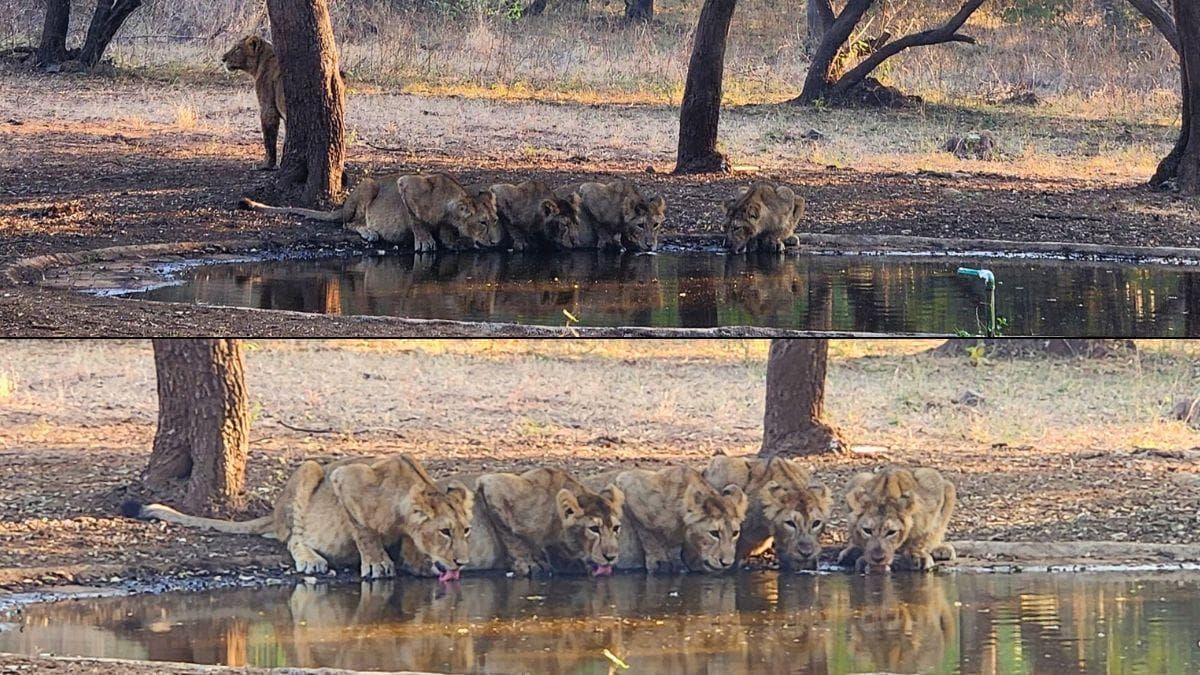
Image: The Hindu
Explore the breathtaking Sasan Gir, home to Asiatic lions. Discover eco-friendly stays and the importance of wildlife conservation in Gujarat.
GlipzoTraveling to Gujarat, a state known for its arid landscapes and rich cultural heritage, can stir up mixed emotions. As my cab departed from Rajkot Airport, I encountered plainclothes policemen diligently searching luggage for contraband alcohol, a reminder of the state's strict prohibition laws. However, the excitement of exploring one of India's most unique ecosystems, home to the last remaining Asiatic lions, quickly overshadowed any apprehension.
Nestled in the Saurashtra peninsula, Sasan Gir spans over 1,400 square kilometers of diverse terrain, including dry deciduous forests, scrubland, rocky outcrops, and seasonal rivers. This sanctuary is not only the sole habitat where Asiatic lions can thrive but also a testament to conservation efforts that saved these magnificent creatures from near extinction in the late 19th century. From a mere dozen lions, their population has surged to over 600, coexisting with a variety of wildlife, including leopards, hyenas, crocodiles, and a plethora of bird species.
Our accommodations at Woods at Sasan presented a perfect blend of luxury and nature. Located on the edge of the national park within an eight-acre mango orchard, this eco-friendly resort is the flagship property of 1000 Island Hotels & Resorts. Designed by architect Maria Portella and managed by Maulik Bhagat, the retreat comprises 38 private lodgings that harmoniously integrate into the orchard, ensuring that not a single mango tree was harmed during construction.
The structures are crafted primarily from local materials, including stone, reclaimed wood, and terracotta, which reflect a commitment to sustainability. The minimalist design emphasizes natural light and maintains a cool ambiance, allowing guests to immerse themselves in the serene environment.
Laurent Guiraud, a French restaurateur overseeing operations at Woods, passionately shared the resort's biophilic philosophy—a dedication to culture, community, and well-being. The staff comprises individuals from nearby villages, promoting local employment, while artisans contributed to the resort's creation. "We aim to give back to the ecosystem more than we take," he remarked, highlighting the commitment to sustainability and local engagement.
At Woods, well-being transcends mere comfort; it encompasses an appreciation for sleep, darkness, and the preservation of natural rhythms. The retreat is designed to respect the nocturnal lives that flourish just beyond the orchard's boundaries, creating a seamless connection between guests and the surrounding environment.
The magic of nature revealed itself on my first night at Woods. Unlike the light-polluted skies of Delhi, the clear night sky at Sasan Gir was a breathtaking sight. Surrounded by the tranquility of the orchard, I marveled at the stars, the constellations sharper and more vivid than I had seen in years.
The culinary team at Woods organized a delightful barbecue, with smoke curling into the crisp evening air, while Laurent regaled us with stories of his early days in India. His tales painted a vivid picture of navigating the capital's culinary landscape, charming us with his experiences and insights into the local culture.
The transformation of Sasan Gir into a sanctuary for Asiatic lions is a remarkable success story in wildlife conservation. Once on the brink of extinction, these lions now thrive in their natural habitat, attracting tourists eager to witness their majesty.
This revival has significant implications not just for the lions but also for the local economy. Eco-tourism initiatives like Woods at Sasan create jobs, support local artisans, and promote sustainable practices that benefit both wildlife and residents. As travelers seek authentic experiences that connect them to nature, the demand for such eco-friendly accommodations will likely increase.
As we look ahead, the future of Sasan Gir and its lions remains promising yet requires ongoing commitment from both conservationists and the tourism industry. The continued growth of the lion population will necessitate careful management of their habitat to ensure a balance between wildlife and human activity.
Visitors to Sasan Gir can anticipate more immersive experiences that highlight the region's natural beauty and cultural heritage. As awareness of the importance of conservation spreads, expect an increasing number of initiatives aimed at preserving this unique ecosystem and educating travelers on their role in protecting it.
In conclusion, a visit to Sasan Gir is not merely a trip to see lions; it is a journey into a thriving biosphere that showcases the resilience of nature. By choosing eco-conscious accommodations and engaging in responsible tourism, visitors contribute to the preservation of this extraordinary habitat for generations to come.

Discover how the brain protein Menin could be the key to halting cognitive decline with new research that uncovers its vital role in aging.
Indian Express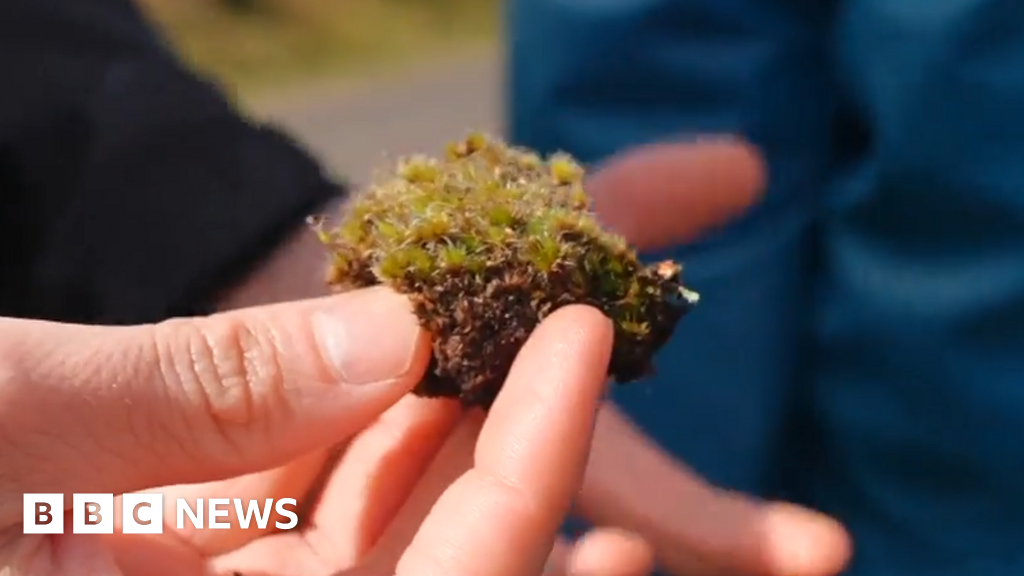
A new 'killer fungus' discovered in the UK targets invasive heath-star moss, offering hope for restoring native habitats. Will it turn the tide against invasives?
BBC Science
A Blue Origin rocket exploded during a test in Florida, prompting investigations. All personnel are safe. What does this mean for the future of space travel?
BBC Business