
Image: Ars Technica
Delve into deep-sea mining's potential and pitfalls as global demand for critical minerals surges. What does the future hold beneath the waves?
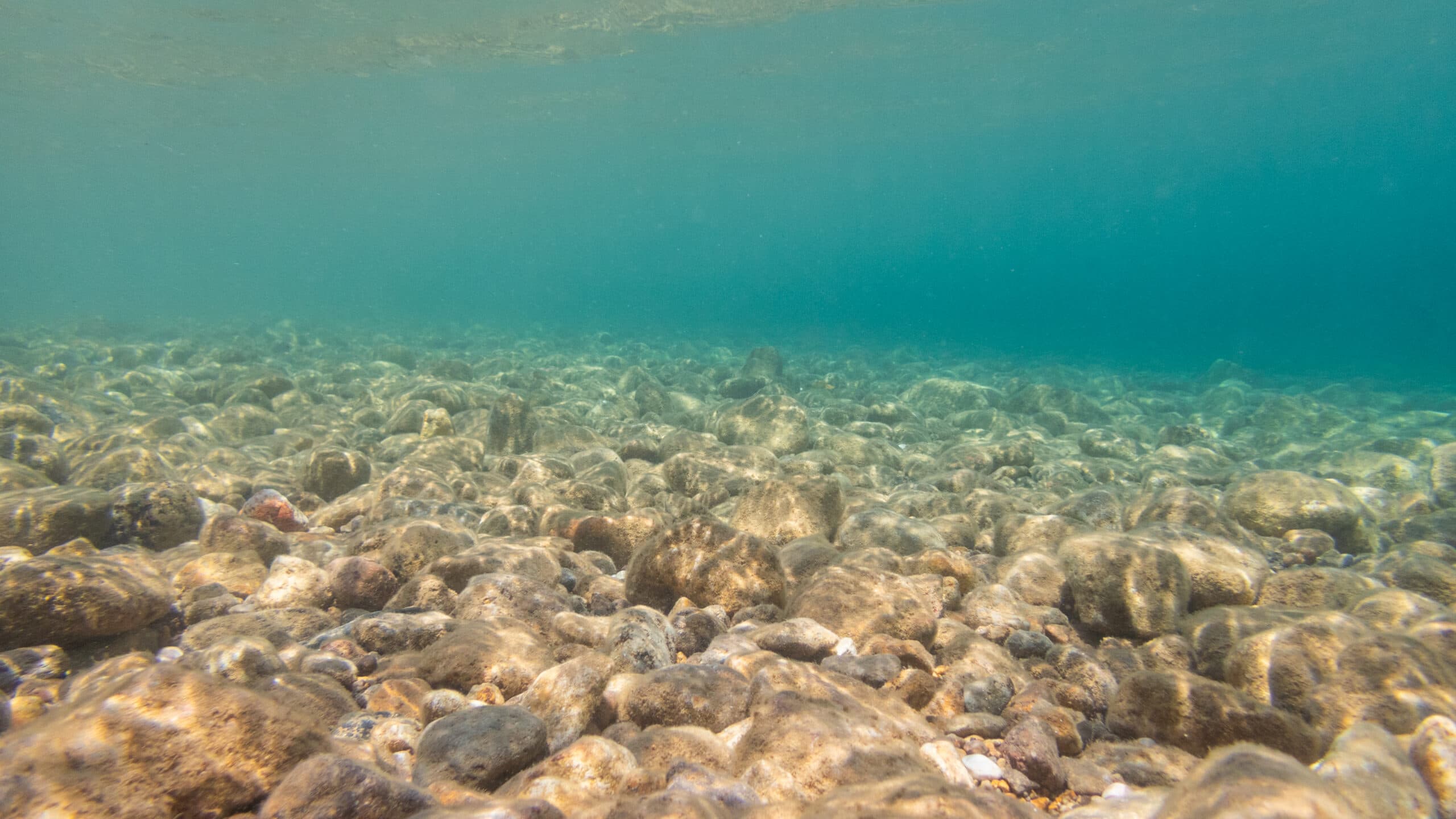
GlipzoIn 2022, a remarkable experiment took place 13,000 feet beneath the Pacific Ocean, where a massive machine weighing over 70 tons traversed the seabed, gathering potato-sized mineral nodules rich in copper, manganese, cobalt, and nickel. This endeavor, spearheaded by The Metals Company, marked a pivotal moment in the burgeoning field of deep-sea mining, signaling a potential shift in how we source critical minerals for the clean energy revolution.
The Metals Company is keen on expanding its operations, seeking approval to deploy similar machines across a vast 65,000 square kilometers of the ocean floor, aiming to extract an estimated 600 million metric tons of these valuable nodules. The riches lying dormant on the ocean floor have piqued the interest of various stakeholders, including 31 initiatives from corporations and governments, such as those from China, India, and the Republic of Nauru. These entities are eager to explore this untapped resource for both analysis and equipment testing, recognizing the potential of these deposits in addressing the global demand for critical minerals.
As the world grapples with the pressing issue of climate change, the transition to clean energy sources is becoming increasingly urgent. According to the International Energy Agency (IEA), a significant shift towards renewable energy could potentially quadruple the demand for essential metals and rare earth elements. This surge in demand has ignited a fierce debate regarding the most sustainable and viable sources for these critical resources.
Proponents of deep-sea mining, including The Metals Company, argue that the existing terrestrial mines cannot satisfy the growing global demand for these minerals. They advocate for the exploration of deep-sea mining as a solution to bridge the supply gap without opening new land-based mines. This perspective highlights a critical juncture in global resource management, pitting economic interests against environmental concerns.
On the flip side, a coalition of researchers, conservationists, and 40 nations, led by the Pacific nation of Palau, is sounding the alarm against deep-sea mining. They are advocating for a moratorium on these activities until further research clarifies the potential ecological impacts. Many believe that sufficient resources remain accessible on land, and that further exploration at sea could pose irreversible damage to fragile marine ecosystems.
For over a decade, the International Seabed Authority (ISA) has been working on a regulatory framework to govern seabed mining, but progress has stalled due to disagreements among member states. Recent talks aimed at finalizing a mining code ended in July 2025 without consensus on key issues such as ecological impact assessments and monitoring mechanisms. Negotiations have resumed, but time is of the essence as the impending mining activities may begin before comprehensive regulations are established.
In a race against time, Nauru is exploring legal loopholes that could allow it, along with other nations, to apply for commercial mining permits prior to the finalization of the mining code. Meanwhile, The Metals Company has taken a unilateral approach, applying for permission to mine in the Clarion-Clipperton Zone—a vast area of 6 million square kilometers located in international waters between Hawaii and Mexico. Notably, the United States has not ratified the international treaty that delegates oversight to the ISA, enabling this move.
This scenario raises pressing questions for researchers and policymakers alike. Key inquiries include:
It is widely acknowledged that the global transition to green energy will necessitate a significant increase in the availability of critical minerals. However, the IEA warns that current and planned mineral production may soon fall short of meeting future needs. A 2025 assessment by the IEA outlines various scenarios regarding renewable energy utilization and climate strategies, emphasizing the urgency of addressing these supply challenges.
As the world stands at this crossroads, the future of deep-sea mining hangs in the balance. Key factors to watch for include: - The outcomes of ongoing negotiations among ISA member states regarding mining regulations. - The potential approval of mining permits by countries like the United States and Nauru. - Ongoing environmental studies that might influence public perception and policy on deep-sea mining.
The implications of deep-sea mining are profound—not just for resource extraction but for the health of our planet's oceans and the sustainability of our energy systems. With pressures mounting from both sides of the debate, the path forward will require careful consideration of ecological integrity and resource needs, striking a delicate balance between economic opportunity and environmental stewardship.

Discover how the brain protein Menin could be the key to halting cognitive decline with new research that uncovers its vital role in aging.
Indian Express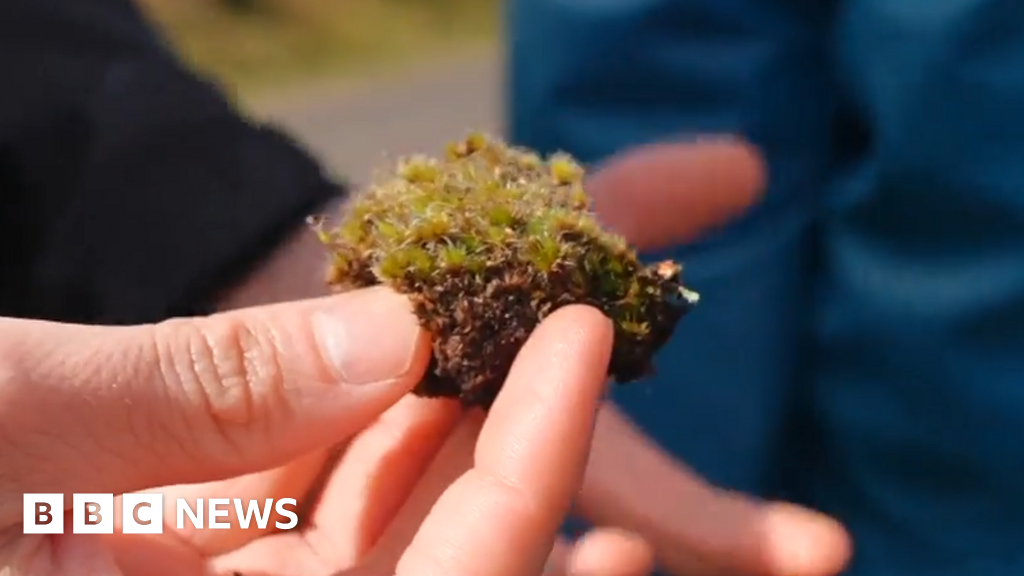
A new 'killer fungus' discovered in the UK targets invasive heath-star moss, offering hope for restoring native habitats. Will it turn the tide against invasives?
BBC Science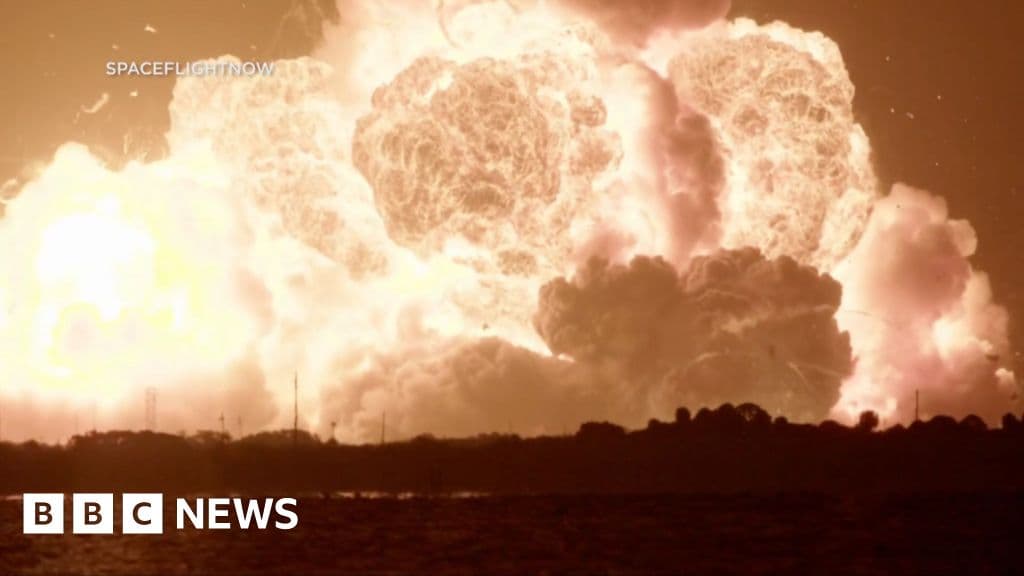
A Blue Origin rocket exploded during a test in Florida, prompting investigations. All personnel are safe. What does this mean for the future of space travel?
BBC Business