
Image: BBC World
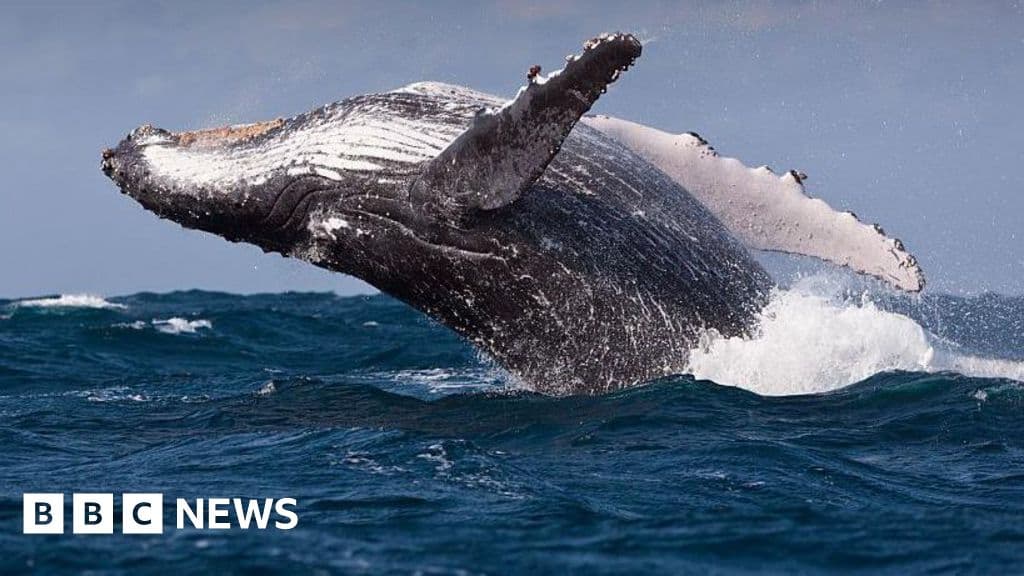
Scientists warn that changing shipping routes due to Middle East conflicts significantly increase the risk of whale collisions off South Africa’s coast.
GlipzoIn a startling revelation, scientists are raising alarms about the heightened danger of ship strikes involving whales along South Africa's southwestern coast. This unsettling situation has arisen from significant changes in shipping routes, driven by ongoing conflicts in the Middle East. Since early 2023, the diversion of vessels around South Africa has intensified the potential for collisions with these majestic marine mammals, prompting calls for urgent action.
The catalyst for this shift in maritime navigation can be traced back to a major incident in which Houthi rebels hijacked a British-owned cargo ship near Yemen. This incident, coupled with the escalating tensions between the US, Israel, and Iran, has prompted many shipping companies to reroute their journeys. Instead of navigating through the Middle East, these vessels now opt to sail around the Cape of Good Hope, significantly increasing the concentration of commercial traffic in these waters.
Recent figures highlight the drastic rise in maritime activity. According to the International Monetary Fund's PortWatch report, approximately 89 commercial vessels traversed the Cape of Good Hope between March and April 2023. This is nearly double the 44 ships recorded for the same timeframe in the previous year. Such a surge in vessel numbers raises alarms about the potential for increased whale-ship interactions.
Professor Els Vermeulen, the chief scientist at the University of Pretoria's Whale Unit, has been at the forefront of this research. Her team recently shared their findings at the International Whaling Commission, emphasizing the critical need to address this emerging threat. Their research focused on mapping the distribution patterns of various whale species in the Western Cape and overlaying these models with current shipping routes. This approach revealed regions with a heightened risk of collisions, underscoring the urgency of the situation.
Despite these findings, quantifying the actual impact on whale populations presents significant challenges. Vermeulen pointed out that there is a notable lack of recent data regarding whale strikes. Most collisions occur deep offshore, resulting in what is termed “cryptic mortality.” In these instances, whales that are struck often sink to the ocean floor rather than washing up on shore, making it difficult for scientists to assess the true scale of the problem.
Vermeulen advocated for proactive measures to mitigate these risks. Suggestions include adjusting shipping routes and implementing speed reductions for vessels during certain peak periods when whale activity is higher. However, she cautioned that without comprehensive data, it is challenging to formulate effective solutions.
Looking ahead, Vermeulen and her research team are planning a systematic survey to better understand the whale populations offshore. They aim to conduct this survey through aerial or maritime expeditions. However, Vermeulen stressed that they require additional support to carry out such critical research. "It's been encouraging to see the willingness of various stakeholders to collaborate on this issue. Now, it’s imperative that the scientific community delivers reliable data on the offshore whale population," she said.
The implications of this research extend beyond the local environment; they resonate on a global scale. As shipping routes continue to evolve in response to geopolitical conflicts, other marine ecosystems may also face similar challenges. Understanding and addressing the impact of human activity on marine life is crucial for conservation efforts and the sustainability of marine biodiversity. Protecting whales not only safeguards their populations but also maintains the ecological balance of the oceans they inhabit.
In conclusion, the increased risk of whale collisions due to rerouted shipping vessels represents a critical challenge that demands immediate attention. As shipping patterns continue to shift in response to global events, it is vital for the scientific community, maritime industries, and environmental advocates to collaborate effectively. The next steps will involve gathering more data, refining shipping practices, and ensuring that the majestic whales of the Western Cape are protected for future generations.
As the situation unfolds, stakeholders must remain vigilant and proactive in addressing these emerging threats to marine life. The fate of whales hangs in the balance, and collective action is required to ensure their survival amidst changing seas.
Stay informed and follow developments in this vital area by checking reputable news sources for updates on whale conservation efforts and shipping industry practices.

Discover how the brain protein Menin could be the key to halting cognitive decline with new research that uncovers its vital role in aging.
Indian Express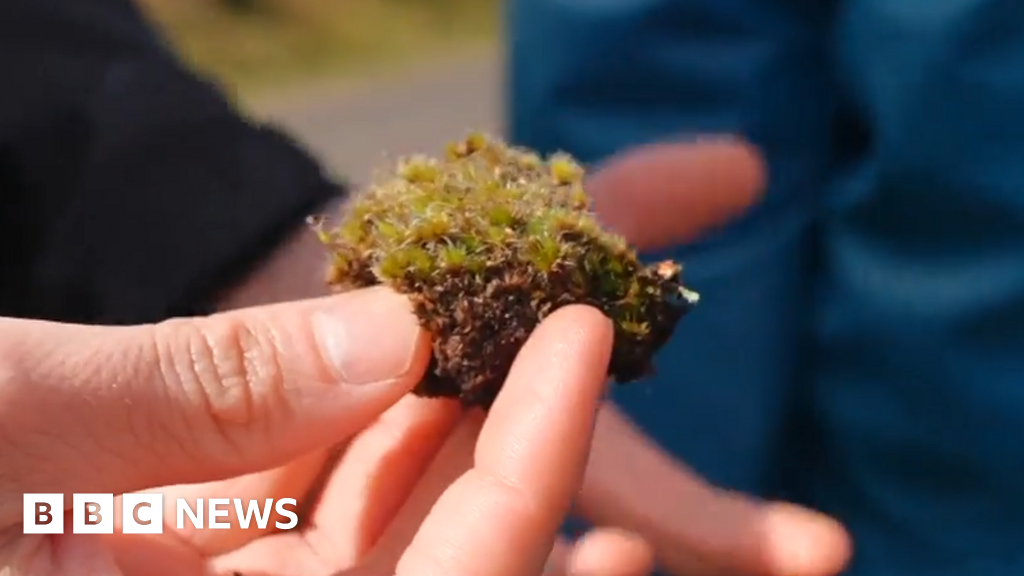
A new 'killer fungus' discovered in the UK targets invasive heath-star moss, offering hope for restoring native habitats. Will it turn the tide against invasives?
BBC Science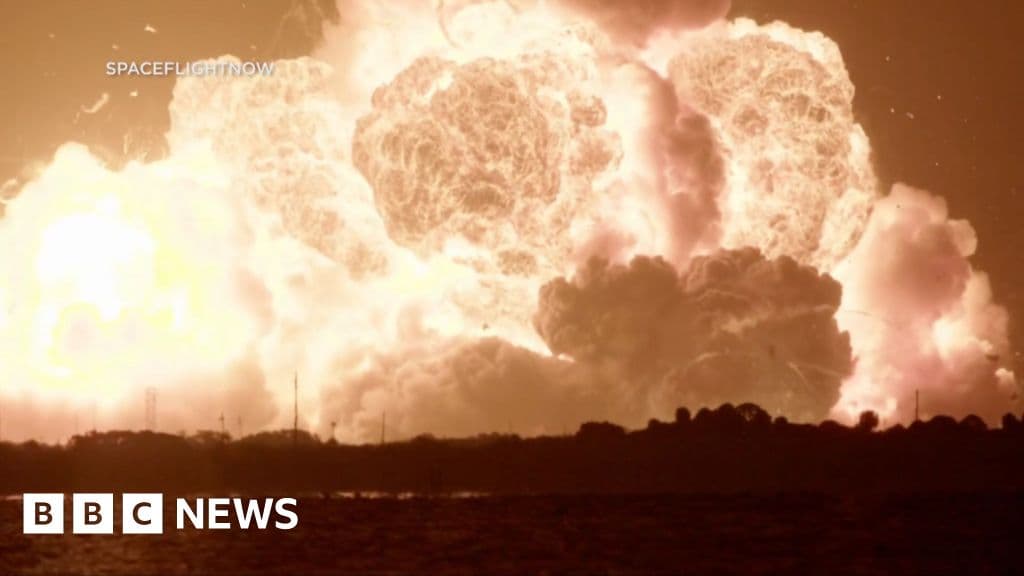
A Blue Origin rocket exploded during a test in Florida, prompting investigations. All personnel are safe. What does this mean for the future of space travel?
BBC Business