Glipzo
WorldTechnologyBusinessSportsEntertainmentScienceHealthPolitics
Glipzo
WorldTechnologyBusinessSportsEntertainmentScienceHealthPolitics
  1. Home
  2. /
  3. Science
  4. /
  5. Critical Efforts Underway to Save Stranded Whale Timmy
Critical Efforts Underway to Save Stranded Whale Timmy

Image: BBC World

Science
Friday, April 17, 20265 min read

Critical Efforts Underway to Save Stranded Whale Timmy

A new rescue effort for stranded whale Timmy includes using air cushions. Can this innovative method save him? Learn more about his situation.

Glipzo News Desk|Source: BBC World
Share
Glipzo

Key Highlights

  • Rescuers are deploying **air cushions** to save Timmy the whale.
  • Timmy has been stranded in the **Baltic Sea** for weeks, facing dire health issues.
  • Previous attempts to rescue the whale have been unsuccessful.
  • Public sympathy for Timmy is high, leading to protective measures.
  • This case sheds light on larger environmental issues affecting marine life.

In this article

  • Rescuers Turn to Air Cushions in Whale Rescue Operation In a **dramatic effort** to save a **stranded humpback whale** off the northern coast of Germany, rescuers are set to deploy **air cushions**. This innovative method aims to help the whale, affectionately dubbed **Timmy** by local media, who has been trapped in a shallow area near the island of **Poel** since early March.
  • Innovative Rescue Techniques and Their Risks The initiative involves using inflatable air cushions designed to gently lift the whale from the seafloor and onto a tarp connected to a tugboat. Officials from the state of **Mecklenburg-Western Pomerania** have described this method as **“minimally invasive.”** However, experts caution that any intervention carries significant risks, especially given the animal's weakened state.
  • The Whale's Condition and Previous Rescue Attempts Timmy's health has been a major concern since his entrapment. Despite showing signs of life, he is severely weakened. Backhaus emphasized, **“The prognosis remains critical. But a chance of survival cannot be completely ruled out.”**
  • Safety Precautions and Public Interest The plight of Timmy has garnered widespread attention, drawing both sympathy and concern from the public. An exclusion zone has been established around the whale to ensure the safety of both the animal and the rescuers. Recently, a **67-year-old woman** attempted to swim close to the whale but was quickly stopped by authorities, highlighting the public's intense interest in the situation.
  • The Bigger Picture: Why Timmy’s Story Matters Timmy’s case is not just a local tragedy; it reflects broader environmental concerns surrounding marine wildlife. His presence in the Baltic Sea raises questions about the health of marine ecosystems and the impact of human activity on these habitats. The whale's journey into unfamiliar waters further illustrates the challenges marine animals face due to changing ocean conditions and human interference.
  • Looking Ahead: What Comes Next for Timmy? As rescuers prepare to implement this new method, the world watches closely, hoping for a successful outcome. The use of air cushions represents a significant shift in strategy, but it is fraught with uncertainty. The challenges ahead include ensuring the whale's safety during the lift and navigating the waters back to the North Sea, should he be successfully freed.
  • Conclusion The story of Timmy the whale encapsulates the intersection of human compassion and the realities of nature's challenges. As efforts unfold, they may provide valuable insights into how we can better protect our oceans and the creatures that inhabit them.
  • Key Takeaways - Rescuers are using **air cushions** to lift Timmy the whale to safety. - Timmy has been stranded in the **Baltic Sea** for weeks, showing signs of severe weakness. - Previous rescue attempts have proven unsuccessful, raising concerns about Timmy’s health. - Public interest is high, but safety measures are in place to protect both the whale and rescuers. - The case highlights broader environmental issues affecting marine wildlife worldwide.

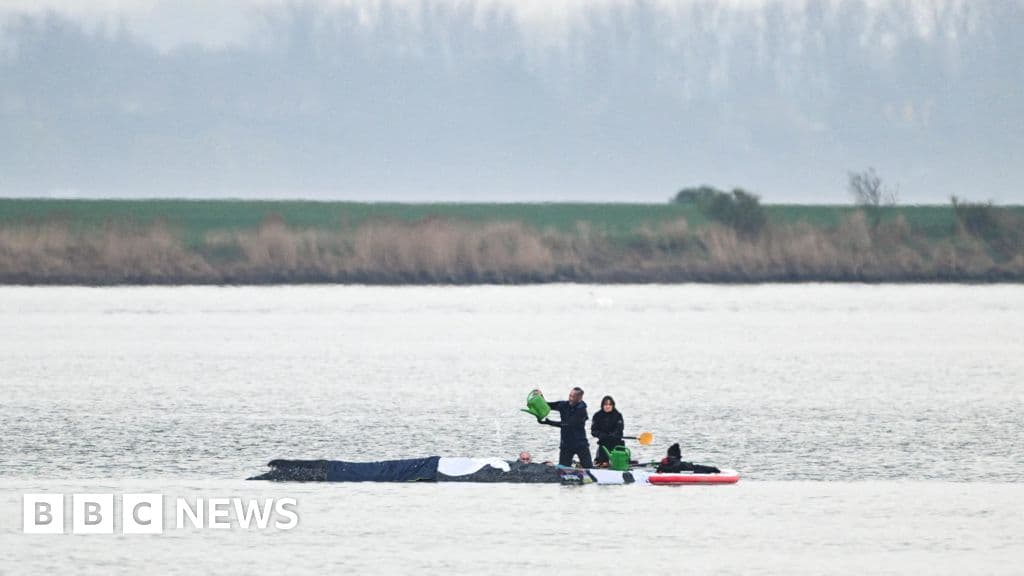
Rescuers Turn to Air Cushions in Whale Rescue Operation In a **dramatic effort** to save a **stranded humpback whale** off the northern coast of Germany, rescuers are set to deploy **air cushions**. This innovative method aims to help the whale, affectionately dubbed **Timmy** by local media, who has been trapped in a shallow area near the island of **Poel** since early March.

Timmy was originally spotted in the Baltic Sea, far from his usual habitat, raising concerns about his survival. The situation has become increasingly dire, prompting wildlife experts and local authorities to reconsider rescue strategies that were previously deemed too risky.

Innovative Rescue Techniques and Their Risks The initiative involves using inflatable air cushions designed to gently lift the whale from the seafloor and onto a tarp connected to a tugboat. Officials from the state of **Mecklenburg-Western Pomerania** have described this method as **“minimally invasive.”** However, experts caution that any intervention carries significant risks, especially given the animal's weakened state.

According to Till Backhaus, the environment minister for the region, there has been a reassessment of the situation, leading to a decision to attempt this less intrusive approach. He noted that while the prognosis remains critical, there is still a glimmer of hope for Timmy’s survival.

The Whale's Condition and Previous Rescue Attempts Timmy's health has been a major concern since his entrapment. Despite showing signs of life, he is severely weakened. Backhaus emphasized, **“The prognosis remains critical. But a chance of survival cannot be completely ruled out.”**

Previous attempts to rescue the whale included using excavators to dig a channel, allowing him to swim free. However, these efforts failed when Timmy swam back into shallower waters. Experts believe he has sustained significant injuries, including skin detachments and possible internal damage from prolonged pressure. It is suspected that he became entangled in fishing nets and may have been struck by a ship propeller, compounding his injuries.

Safety Precautions and Public Interest The plight of Timmy has garnered widespread attention, drawing both sympathy and concern from the public. An exclusion zone has been established around the whale to ensure the safety of both the animal and the rescuers. Recently, a **67-year-old woman** attempted to swim close to the whale but was quickly stopped by authorities, highlighting the public's intense interest in the situation.

Backhaus noted, “The outpouring of sympathy shows how deeply the animal's fate moves people.” He urged the public to respect the efforts of the emergency services and adhere to the protective measures in place.

The Bigger Picture: Why Timmy’s Story Matters Timmy’s case is not just a local tragedy; it reflects broader environmental concerns surrounding marine wildlife. His presence in the Baltic Sea raises questions about the health of marine ecosystems and the impact of human activity on these habitats. The whale's journey into unfamiliar waters further illustrates the challenges marine animals face due to changing ocean conditions and human interference.

Conservation groups like Greenpeace Germany have voiced their skepticism about the feasibility of the latest rescue attempt, arguing that Timmy’s poor health may make recovery unlikely. The group previously participated in rescue efforts but is now advocating for a more cautious approach, emphasizing the need to prioritize the whale's welfare over intervention.

Looking Ahead: What Comes Next for Timmy? As rescuers prepare to implement this new method, the world watches closely, hoping for a successful outcome. The use of air cushions represents a significant shift in strategy, but it is fraught with uncertainty. The challenges ahead include ensuring the whale's safety during the lift and navigating the waters back to the North Sea, should he be successfully freed.

Timmy's situation serves as a poignant reminder of the fragility of marine life and the urgent need for conservation efforts. As rescuers embark on this latest attempt, the focus remains not only on saving one whale but also on raising awareness about the challenges faced by marine species around the globe.

The coming days will be critical in determining Timmy’s fate and may influence future rescue operations for marine wildlife. The world is hopeful, but the reality of the situation underscores the complexities of wildlife conservation.

Conclusion The story of Timmy the whale encapsulates the intersection of human compassion and the realities of nature's challenges. As efforts unfold, they may provide valuable insights into how we can better protect our oceans and the creatures that inhabit them.

Key Takeaways - Rescuers are using **air cushions** to lift Timmy the whale to safety. - Timmy has been stranded in the **Baltic Sea** for weeks, showing signs of severe weakness. - Previous rescue attempts have proven unsuccessful, raising concerns about Timmy’s health. - Public interest is high, but safety measures are in place to protect both the whale and rescuers. - The case highlights broader environmental issues affecting marine wildlife worldwide.

Did you find this article useful? Share it!

Share

Related Articles

Shocking Butterfly Comeback After 430 Trees Planted
Science
Apr 17, 2026

Shocking Butterfly Comeback After 430 Trees Planted

Rare white-letter hairstreak butterflies return to Quantock Hills after volunteers plant 430 elm trees, marking a significant conservation success. Find out more!

BBC Science
Major Fundraising Drive to Revive Surrey's Wildlife
Science
Apr 16, 2026

Major Fundraising Drive to Revive Surrey's Wildlife

Surrey Wildlife Trust launches a £40K campaign to revive local wildlife, reconnecting communities with nature. Discover how you can help!

BBC Science
Shocking Impact of Wetter Winters on Marine Life in Cornwall
Science
Apr 16, 2026

Shocking Impact of Wetter Winters on Marine Life in Cornwall

Discover how severe winter rainfall in Devon and Cornwall threatens marine life and public health. Learn about ongoing monitoring and implications for the future.

BBC Science

Categories

  • World
  • Technology
  • Business
  • Sports

More

  • Entertainment
  • Science
  • Health
  • Politics

Explore

  • Web Stories
  • About Us
  • Contact

Legal

  • Privacy Policy
  • Terms of Service

© 2026 Glipzo. All rights reserved.