
Image: The Hindu
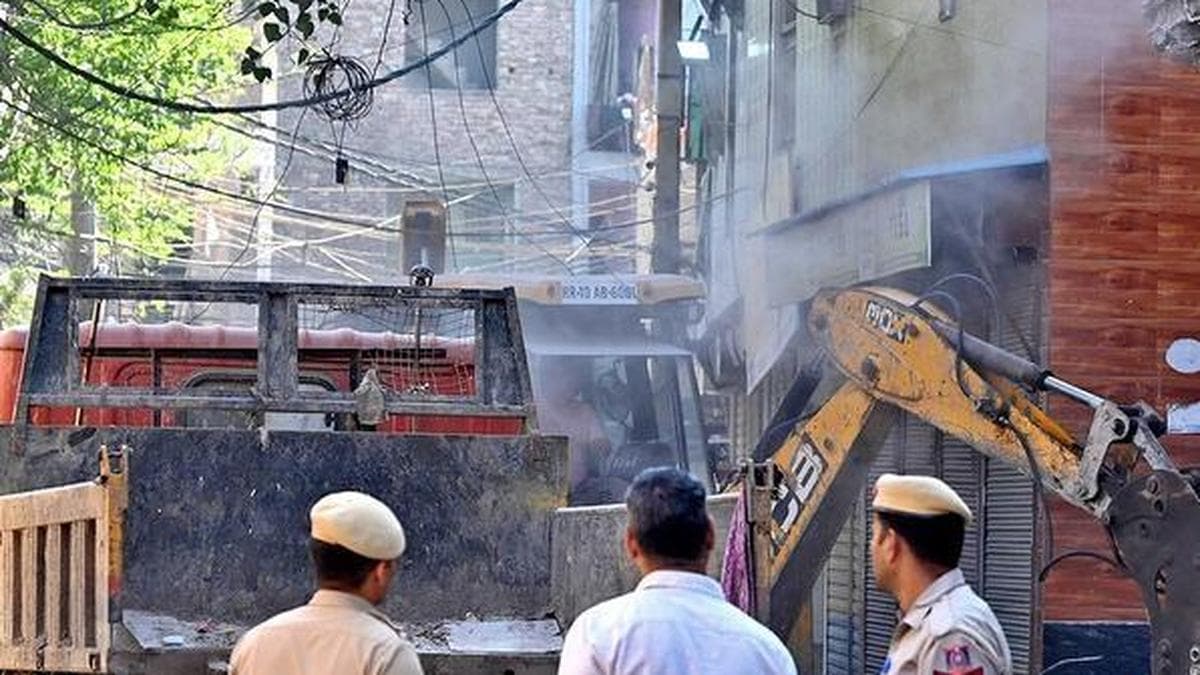
MCD ensures it won't demolish homes linked to Uttam Nagar clash without notice, addressing residents' fears post-violence during Holi festivities.
GlipzoIn a significant development regarding the Uttam Nagar Holi clash, the Municipal Corporation of Delhi (MCD) reassured the Delhi High Court on March 8 that it will not proceed with demolitions of any unauthorized constructions without prior notification. This promise comes in response to a petition filed by residents whose homes are allegedly linked to individuals involved in the violent incident that occurred during the Holi festivities on March 4. Tragically, this clash resulted in the death of a 26-year-old man, highlighting the serious implications of such conflicts within communities.
The MCD's declaration was made before Justice Amit Bansal during a hearing concerning the petitions brought forth by Jarina, the mother of Imran, one of the accused, and Shahnaz, whose children were also questioned by law enforcement. The petitioners expressed their concerns about possible demolitions, fearing that the MCD might act without adhering to proper legal protocols, thereby infringing on their rights as property owners.
The violence in Uttam Nagar erupted after a seemingly innocuous incident involving a water balloon thrown by a girl from the victim's family, which accidentally struck a woman from a neighboring family. This seemingly trivial dispute escalated into a chaotic confrontation, ultimately leading to a fatality. Such incidents underscore the broader issues of community tensions and the need for effective conflict resolution strategies.
The aftermath of this clash has raised serious concerns among the local populace, particularly regarding the MCD's response and the potential for further violence or retaliatory actions. The residents are understandably anxious, fearing that their homes may be unjustly targeted as part of the municipal response to the incident.
The assurance from the MCD is a crucial step in addressing public anxiety. The legal representatives for the petitioners argued strongly that the rights of the residents must be protected, emphasizing the necessity for all actions taken by the MCD to be transparent and lawful.
Jarina and Shahnaz's petitions reflect a growing sentiment among community members that they should not be penalized for the actions of individuals associated with them. Their case highlights the importance of due process in municipal actions, especially in situations where tensions are already high.
The MCD's commitment to due process is not just a legal formality; it carries significant implications for community trust and safety. As tensions remain high following the Holi clash, the local government must navigate these sensitive issues carefully, ensuring that all actions taken are in the interest of justice and community harmony.
The MCD’s statement also raises questions about how similar incidents will be handled in the future. Will the corporation adopt more proactive measures to prevent such clashes from escalating? And how will it engage with community members to foster better relationships?
As the situation develops, it will be critical for the MCD to maintain its promise to uphold the law and respect residents’ rights. The response to the Uttam Nagar clash could set a precedent for how municipal bodies handle community disputes and conflicts moving forward. Observers will be watching closely to see how the MCD implements its commitment and whether it leads to a more peaceful and cooperative community environment.
In the wake of this incident, the broader implications for urban governance and community relations will become increasingly important. The MCD's actions in the coming weeks will be pivotal in determining whether trust can be rebuilt in a community still reeling from the impact of violence during a celebration meant for joy and unity.

Tensions soar as the US and Iran engage in air strikes near the Strait of Hormuz, raising concerns over global oil supply and regional stability.
BBC World
Trump's international interventions face serious stalemates. What will this mean for U.S. foreign policy? Explore the critical challenges ahead.
Indian Express
Tehran denies resignation of President Masoud Pezeshkian amid claims of IRGC influence. What does this mean for Iran's political stability? Click to learn more!
Indian Express