
Image: The Hindu
CPI(M) asserts demand for six seats in Tamil Nadu elections, creating tension with DMK. What does this mean for the state's political landscape?
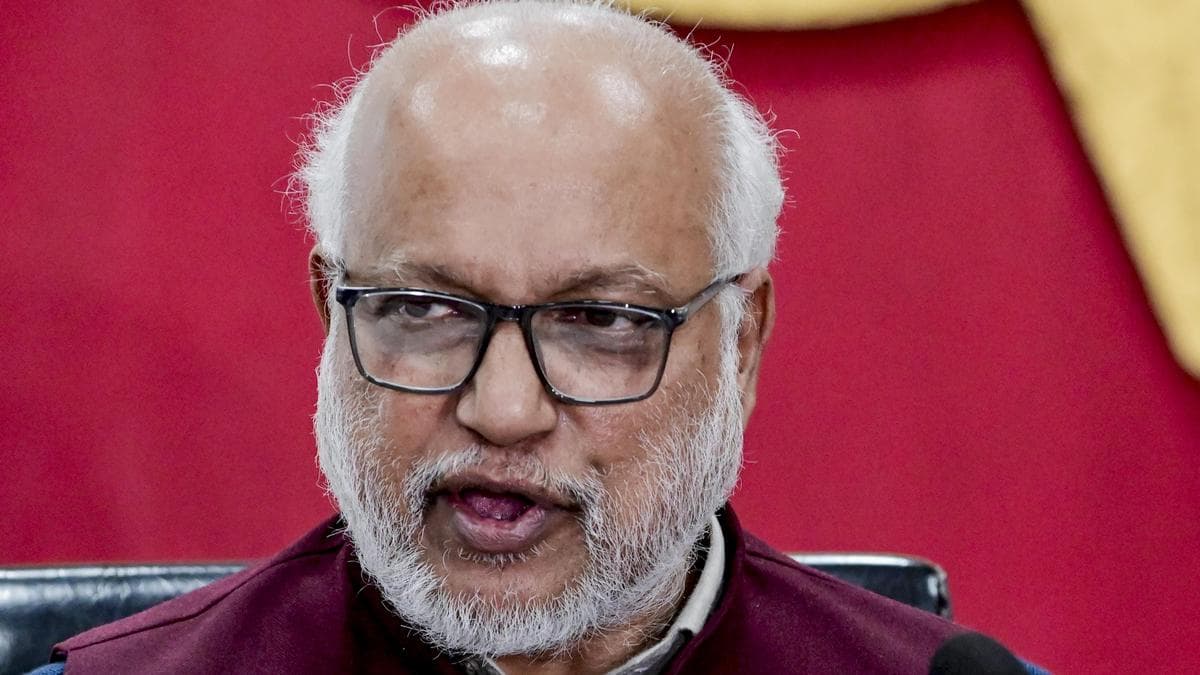
GlipzoIn a significant development ahead of the 2026 Tamil Nadu Assembly elections, the Communist Party of India (Marxist) [CPI(M)] has firmly stated that it will not accept fewer than six seats in its alliance discussions with the Dravida Munnetra Kazhagam (DMK). This stance was made clear during the recent State Committee meeting attended by CPI(M) general secretary M.A. Baby. Party insiders confirm that the CPI(M)’s demand is non-negotiable, emphasizing that the electoral mandate supports their claim for six constituencies.
The DMK, however, is reportedly willing to offer only five seats, leading to a potential impasse. The CPI(M) plans to communicate its firm position to the DMK leadership, with further strategies hinging on how the DMK responds to this demand. This situation underscores the delicate balance of power within the political alliance as both parties prepare for the upcoming elections.
Historically, CPI(M) has navigated complex electoral landscapes in Tamil Nadu. For instance, during the 1998 Lok Sabha elections, the party faced a similar predicament when it was allocated just one seat by the DMK. At that time, the CPI(M) asserted its right to contest six constituencies, ultimately agreeing to support the DMK and the Tamil Maanila Congress (TMC) in only two constituencies. This history of negotiating electoral seats illustrates the longstanding tensions between these parties and the need for collaboration to counter stronger opponents.
In the 1996 Tamil Nadu Assembly elections, CPI(M) was not part of the successful DMK-TMC alliance, instead opting to align with the Marumalarchi Dravida Munnetra Kazhagam (MDMK), founded by Vaiko. This divergence from the DMK showcases the fluctuating dynamics of Tamil Nadu politics, where alliances can shift dramatically based on strategic calculations and electoral outcomes.
The current political landscape is further complicated by the DMK's argument that it has expanded its alliance to include more parties, potentially leading to a loss of 15 constituencies from its initial share. This expansion raises questions about the viability of the coalition and the potential impact on electoral outcomes.
CPI(M) leaders have expressed that they were promised an increased seat allocation for the 2021 Tamil Nadu Assembly elections. This pledge adds a layer of expectation to the negotiations, making the current stalemate particularly significant. The CPI(M)'s insistence on six seats is rooted in a desire for political influence and representation, which they believe is essential for effectively opposing the BJP-AIADMK alliance.
As the CPI(M) prepares to communicate its demands to the DMK, the next steps will be crucial for shaping the electoral strategy heading into the 2026 elections. The party's willingness to consider independent candidacies in certain constituencies while supporting the DMK in others highlights a flexible approach that aims to maximize their electoral potential. The outcome of these negotiations will not only influence the CPI(M) and DMK but could also affect the broader political landscape in Tamil Nadu.
As the political landscape continues to evolve, observers should keep an eye on the unfolding negotiations between the CPI(M) and DMK, as their decisions will be pivotal in determining the outcome of the 2026 Tamil Nadu Assembly elections.

Tensions soar as the US and Iran engage in air strikes near the Strait of Hormuz, raising concerns over global oil supply and regional stability.
BBC World
Trump's international interventions face serious stalemates. What will this mean for U.S. foreign policy? Explore the critical challenges ahead.
Indian Express
Tehran denies resignation of President Masoud Pezeshkian amid claims of IRGC influence. What does this mean for Iran's political stability? Click to learn more!
Indian Express