

Image: The Guardian World
Colombian President Gustavo Petro accuses Ecuador of bombing, escalating tensions amid a drug violence crisis. What does this mean for the region's future?
GlipzoIn a shocking escalation of diplomatic tensions, Colombian President Gustavo Petro has leveled accusations against Ecuador, claiming that Ecuadorian forces conducted air strikes within Colombian borders. This dramatic assertion follows the discovery of 27 charred bodies near the Colombia-Ecuador border, igniting fears of further conflict between the neighboring nations. Petro's statements on Tuesday highlight a rapidly deteriorating relationship, as he insists that the attack could not have originated from Colombian forces or local armed groups, which lack air capabilities.
Petro revealed that an unexploded bomb was found just 100 meters from a low-income peasant family's home, underscoring his claim that these military actions are occurring within Colombian territory. He emphasized, “The explanation isn’t credible,” pointing to a larger issue of cross-border militarization and violence. This incident marks a critical moment in Colombia-Ecuador relations, especially given the ongoing regional efforts to combat drug trafficking and organized crime.
In response to Petro's accusations, Ecuadorian President Daniel Noboa firmly rejected the claims, stating that Ecuador's military operations are strictly confined to its own territory. Noboa, who holds close ties to former U.S. President Donald Trump, reaffirmed Ecuador's commitment to tackling narco-terrorism, emphasizing that their military actions target areas utilized by Colombian criminal groups.
The tensions further escalate when Noboa accuses Colombia of neglecting its border security, allowing criminal organizations to infiltrate Ecuador. This accusation isn’t new; earlier this year, he imposed a 30% “security tax” on Colombian imports, citing Colombia's failure to effectively address drug trafficking as justification. Colombia retaliated with its own tariffs and reduced electricity exports to Ecuador, indicating that economic relations are also affected by the ongoing strife.
Ecuador is grappling with an alarming rise in drug-related violence, largely due to its geographical position as a major transit point for cocaine. It is estimated that 70% of the cocaine produced in Colombia and Peru flows through Ecuador, making it a hotspot for rival cartels battling for control of lucrative trafficking routes.
In early 2024, Noboa declared the country to be in a state of “internal armed conflict,” significantly expanding military involvement in domestic security operations. Despite aggressive measures against drug traffickers, including the capture of high-profile cartel leaders, violence continues to surge. Last year, Ecuador reported its highest homicide rate in decades, with approximately 50.9 murders per 100,000 residents.
For context, Ecuador has mobilized over 75,000 police and military personnel across its most violent provinces, implementing nightly curfews in an attempt to regain control. Interior Minister John Reimberg warned residents, “Stay home. We are at war,” reflecting the severity of the situation.
Amidst the escalating conflict, President Petro has begun to question the efficacy of the militarized approach to the “war on drugs.” Advocating for a shift towards crop substitution and rural development, he has urged for more sustainable solutions rather than military enforcement. In light of the recent attack, Petro noted that many communities have opted to replace coca crops with legal agricultural products, showcasing a desire for peace over violence.
In a surprising move, Petro has reached out to President Trump, asking for diplomatic intervention to ease tensions with Ecuador. He expressed his concerns directly, stating, “Take action and call the president of Ecuador because we do not want to go to war.” This appeal highlights the intertwined relationships between these nations and the United States in addressing regional security issues.
The situation between Colombia and Ecuador remains precarious, with both countries on high alert following these allegations and subsequent denials. As the international community watches closely, the potential for further conflict looms large. The upcoming months will be critical in determining whether diplomatic efforts can quell the rising tensions or if military confrontations will escalate.
As the dialogue continues and both nations strengthen their respective military stances, observers should remain vigilant for signs of either reconciliation or further conflict in this increasingly complex geopolitical landscape.
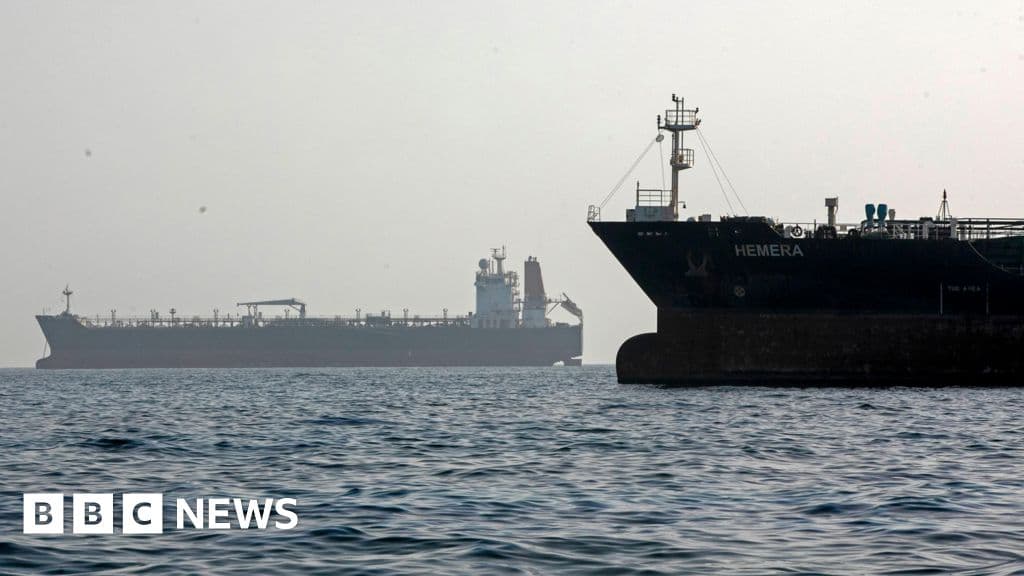
Tensions soar as the US and Iran engage in air strikes near the Strait of Hormuz, raising concerns over global oil supply and regional stability.
BBC World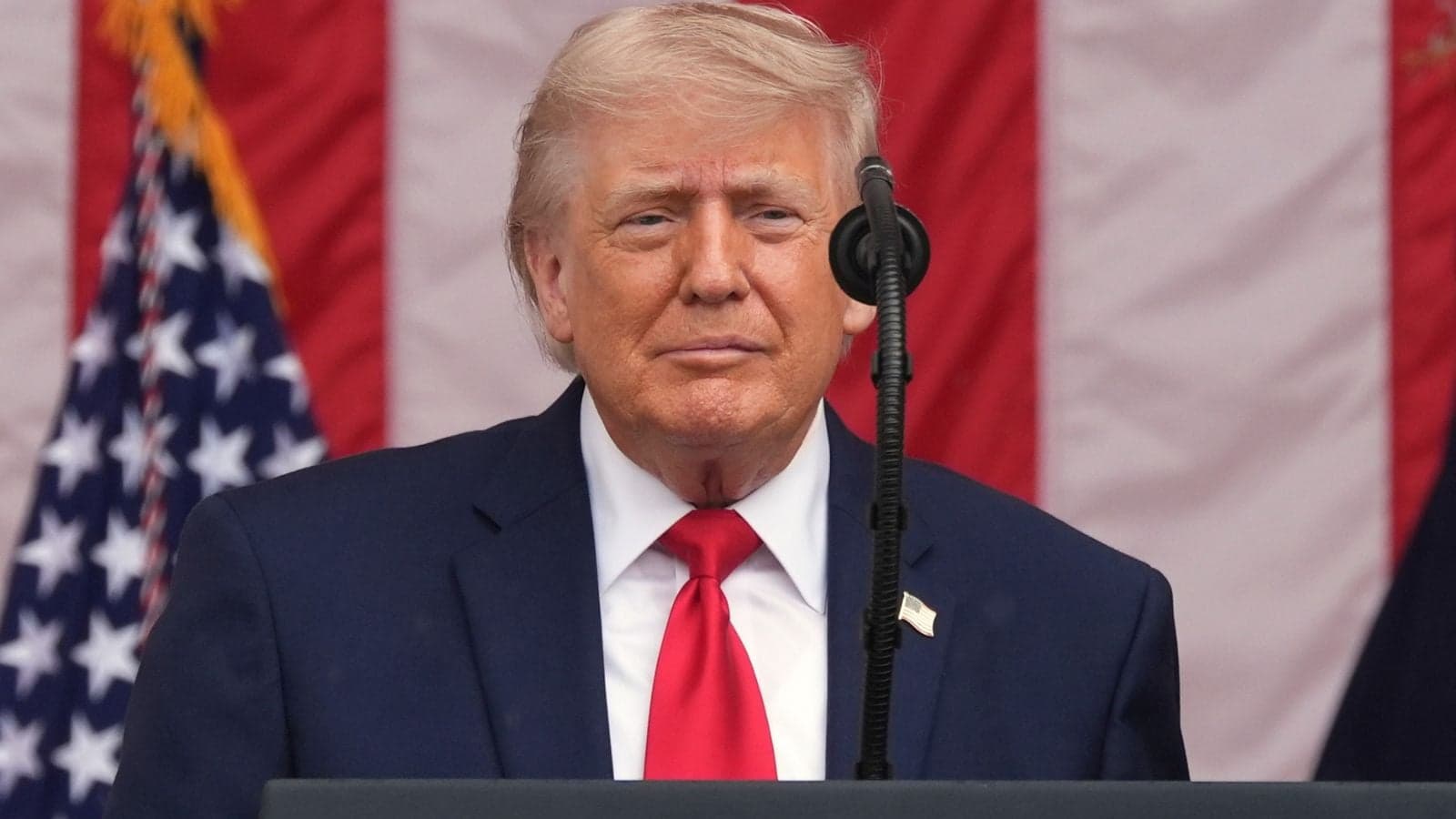
Trump's international interventions face serious stalemates. What will this mean for U.S. foreign policy? Explore the critical challenges ahead.
Indian Express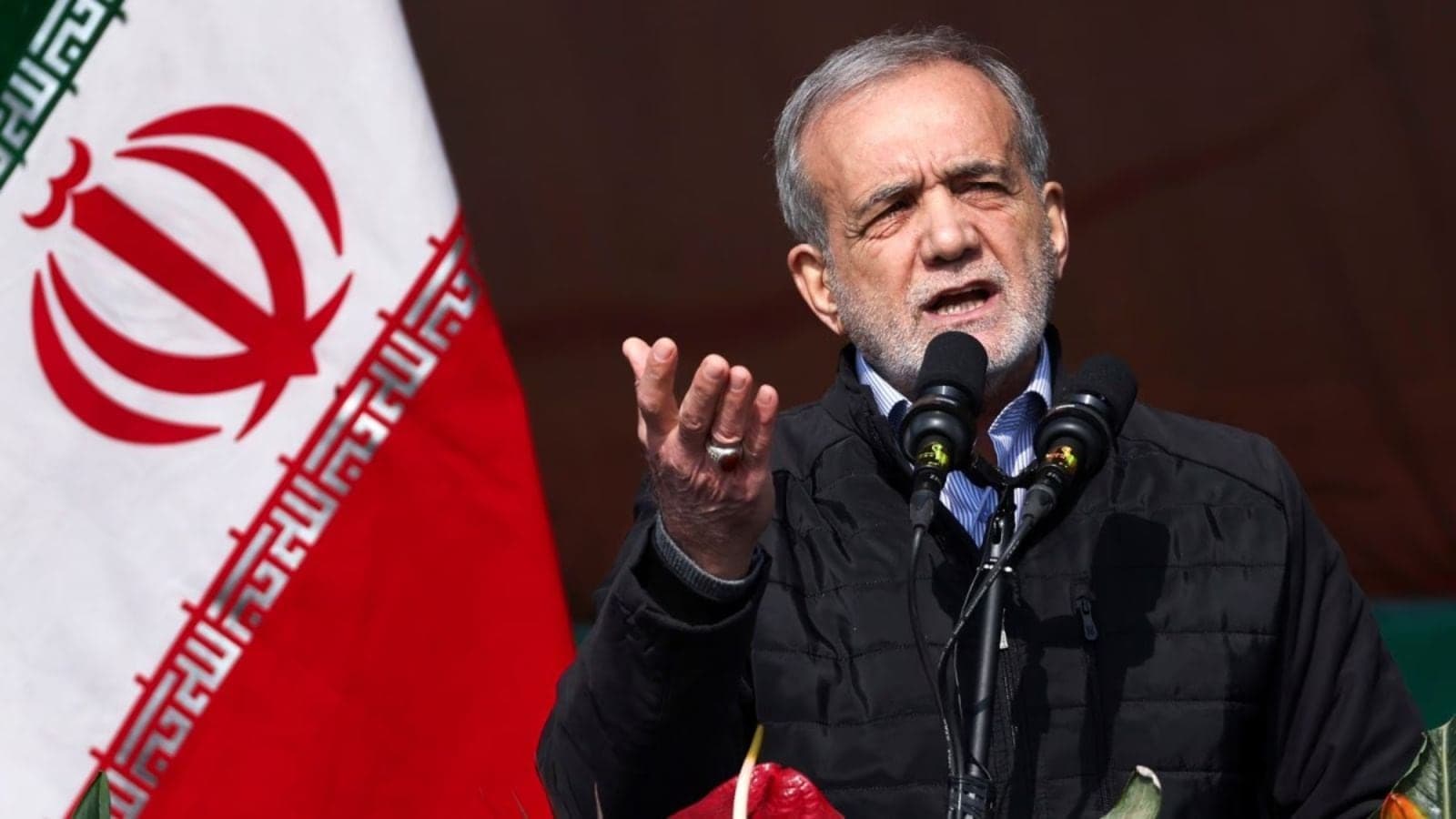
Tehran denies resignation of President Masoud Pezeshkian amid claims of IRGC influence. What does this mean for Iran's political stability? Click to learn more!
Indian Express