
Image: Ars Technica
A coal plant in Washington stays open under emergency orders but isn't generating power. What does this mean for energy reliability? Read on.
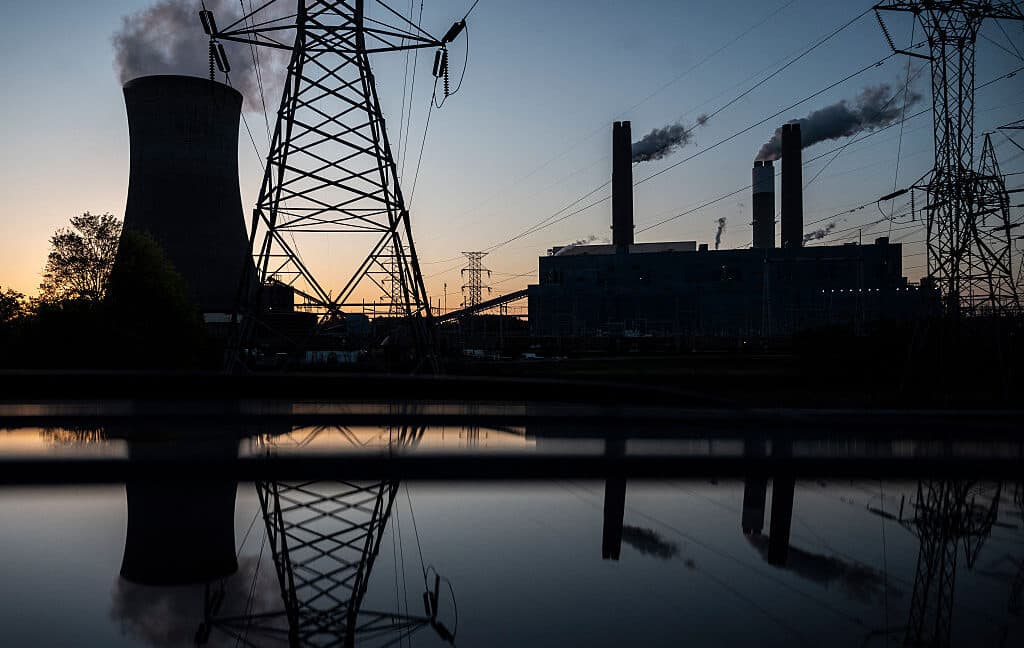
GlipzoIn a surprising twist, a coal plant in Centralia, Washington, remains operational due to a recent emergency order, despite not generating power. This decision by the Department of Energy comes amid a nationwide trend where the economics of coal power are increasingly unfavorable, leading many plants to shut down in favor of cheaper renewable energy sources and natural gas. The government’s intervention raises questions about the future of coal in America as it wrestles with energy reliability and environmental concerns.
The Trump administration has employed various tactics to counteract the declining viability of coal, with one of the most notable being the use of executive orders to mandate that certain coal plants remain operational. The latest order, issued on a Monday, allows the TransAlta Centralia Coal Plant to continue functioning through mid-June, even though it was set to transition to natural gas last year. The administration has touted these moves as vital for ensuring grid stability and reliability.
According to the press release from the Department of Energy, the emergency order aims to provide affordable, reliable, and secure electricity to the Northwestern region of the United States. However, the reality on the ground tells a different story. The Environmental Defense Fund (EDF) scrutinized the plant's output and found that the Centralia facility contributed only 8 megawatt-hours in the first two months of the year. To put that in perspective, this is equivalent to the energy produced by residential solar panels over a period of eight months.
The EDF's findings suggest that the Centralia plant is effectively keeping its doors open without contributing significantly to the energy supply. This raises concerns about whether ratepayers are unjustly footing the bill for a plant that seems unnecessary for current demands. The minimal output aligns with a normal grid operation strategy, which anticipates future demand and ensures adequate energy resources are available before deactivating a plant.
The situation has not gone unnoticed by lawmakers. Recently, a coalition of 120 Democratic representatives introduced a bill aimed at countering the Trump administration’s recent actions regarding renewable energy. One of the critical components of this proposed legislation is the section titled “Ratepayer Protection Against Uneconomic Power Generation.” This part seeks to amend the Federal Power Act, making it significantly more challenging to declare emergencies similar to those being utilized by the Department of Energy to keep coal plants operational.
While the bill, dubbed the Energy Bills Relief Act, is unlikely to pass due to additional provisions that are expected to face pushback from Republicans, it signals a broader political strategy. Democrats may leverage Republican opposition to the bill as a campaign tool leading up to the upcoming elections.
As the energy landscape shifts, the fate of coal plants like the one in Centralia hangs in the balance. The ongoing reliance on outdated coal technology raises serious concerns about sustainability and environmental impacts. With the transition toward cleaner energy sources becoming more urgent, the question remains: how long can coal plants be sustained under government mandates?
The current situation also reflects a larger debate about energy policies in the U.S. The need for a reliable energy grid must be balanced against the imperative to reduce carbon emissions and transition to renewable sources. As more lawmakers and environmental organizations push for change, the pressure mounts on coal-dependent facilities to adapt or face closure.
The implications of keeping coal plants operational extend beyond just energy production; they touch on economic viability, environmental impact, and political dynamics. As the nation grapples with climate change, the decisions made today will shape the future of energy generation and consumption.
The ongoing situation in Centralia serves as a microcosm of the challenges facing the coal industry and the broader energy sector. Observers should keep a close eye on how this conflict unfolds, particularly as legislative battles heat up and public sentiment shifts towards greener alternatives.
As we look ahead, it will be critical to monitor: - Future legislation impacting energy generation - The response of coal plants to changing regulations - The growth of renewable energy sources as viable alternatives - The potential for public protests or support regarding energy policies
In conclusion, the debate around the Centralia coal plant highlights the complexities involved in transitioning to a more sustainable energy future while ensuring reliability and economic stability. The coming months promise to be pivotal in determining the trajectory of energy policy in the United States.

Tensions soar as the US and Iran engage in air strikes near the Strait of Hormuz, raising concerns over global oil supply and regional stability.
BBC World
Trump's international interventions face serious stalemates. What will this mean for U.S. foreign policy? Explore the critical challenges ahead.
Indian Express
Tehran denies resignation of President Masoud Pezeshkian amid claims of IRGC influence. What does this mean for Iran's political stability? Click to learn more!
Indian Express