
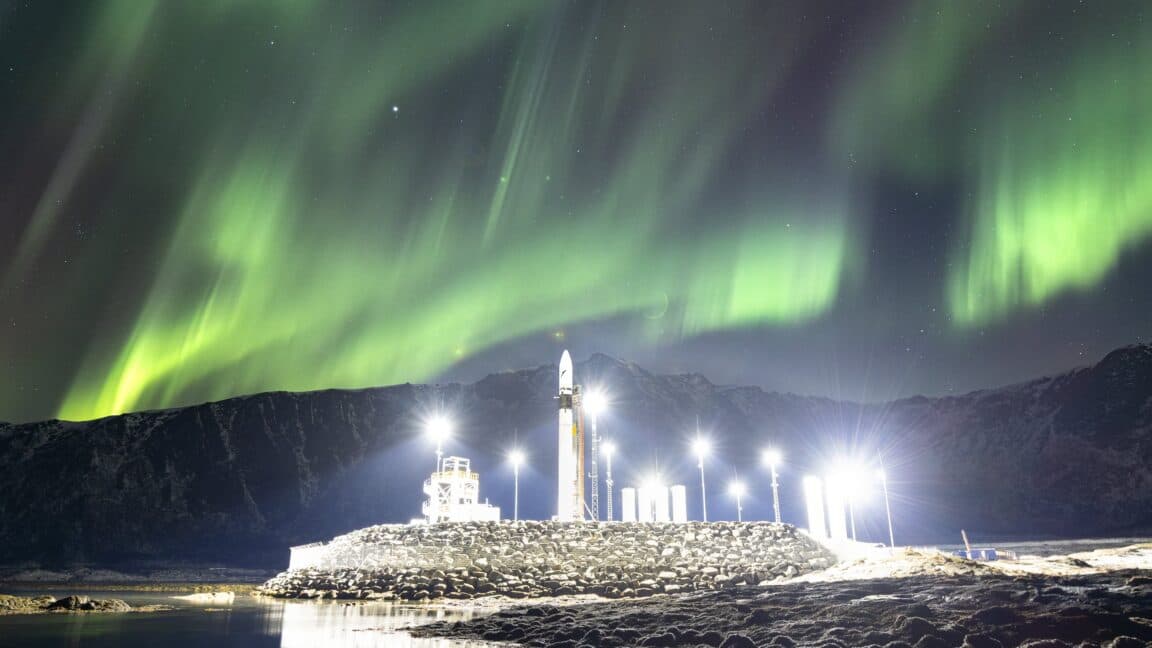
Image: Ars Technica
Canada invests $200 million in a Nova Scotia spaceport, signaling a shift toward launch independence amid rising tensions with the US.
GlipzoCanada's decision to invest in its own space capabilities comes at a time when the geopolitical landscape is becoming increasingly complex. The country has historically relied on international partners, especially the US, for launching payloads into orbit. However, with shifting dynamics, Canada is now seeking to bolster its own capabilities to ensure security, prosperity, and sovereignty that extend beyond Earth's atmosphere.
In addition to the launch pad, Canada is supporting its budding space companies, awarding $8.3 million each to local firms such as NordSpace, Canada Rocket Company, and Reaction Dynamics. These investments aim to stimulate domestic innovation and utilization of the new spaceport, marking a pivotal moment for Canadian aerospace ambitions.
The Haste vehicle, a modified version of the Electron rocket, is designed for suborbital missions, focusing on advancing hypersonic flight technology. Rocket Lab has been actively conducting Haste missions for the US government from its Wallops Flight Facility since 2023. Founder Peter Beck highlighted the company's commitment to innovation, stating, "Our advanced technology, responsive launch schedules, and mass production of our Haste hypersonic rockets are enabling faster progress across a range of hypersonic experiments by our government and industry partners."
The second attempt will carry five cubesats along with a non-separable experiment, with the ambitious goal of reaching orbit. This mission is crucial for Isar as it aims to establish itself as Europe’s first new space launch company to achieve successful orbital insertion.
Looking ahead, we can expect several key trends: - Growing Investment in Aerospace: Countries are likely to follow Canada's lead, investing heavily in their own launch capabilities. - Increased Competition: As more nations pursue independent space programs, the competition for successful launches will escalate, pushing technological boundaries. - Innovation in Hypersonics: With contracts like Rocket Lab's, the hypersonic sector is poised for rapid advancements, likely leading to new applications and partnerships in defense and commercial space.
As the world watches these developments, the future of space exploration is becoming an increasingly dynamic and competitive arena. Stakeholders should keep an eye on upcoming launches, technological innovations, and how these factors will reshape the global space landscape in the coming years.

Discover how the brain protein Menin could be the key to halting cognitive decline with new research that uncovers its vital role in aging.
Indian Express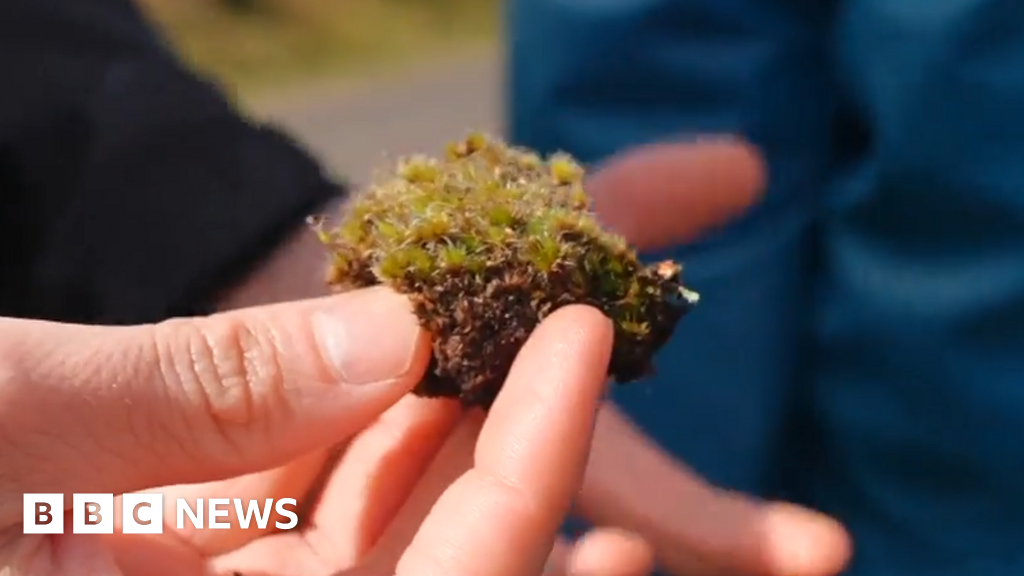
A new 'killer fungus' discovered in the UK targets invasive heath-star moss, offering hope for restoring native habitats. Will it turn the tide against invasives?
BBC Science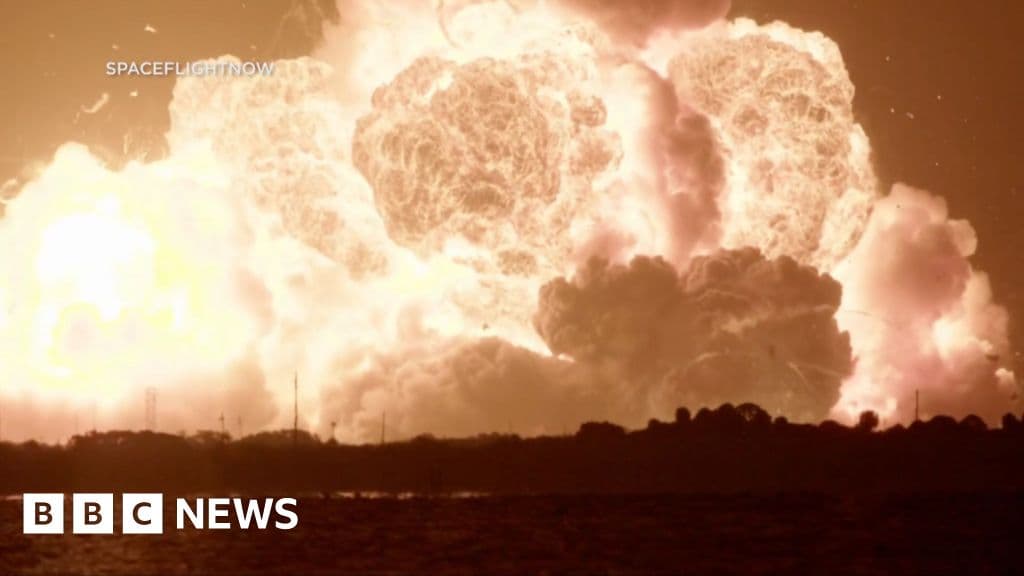
A Blue Origin rocket exploded during a test in Florida, prompting investigations. All personnel are safe. What does this mean for the future of space travel?
BBC Business