
Image: The Hindu
ISRO reveals how melting glaciers and ice patches threaten communities, highlighting the need for urgent monitoring to avert future disasters.
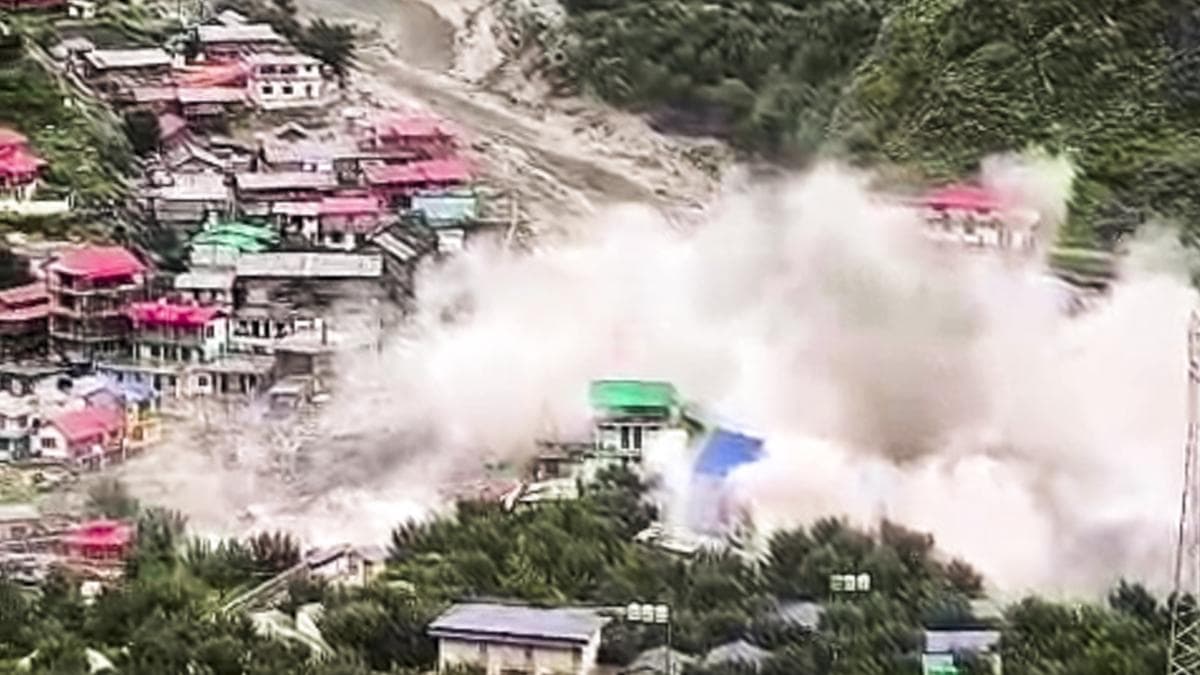
GlipzoA recent investigation by the Indian Space Research Organisation (ISRO) has unveiled alarming insights into the dangers posed by melting glaciers, specifically focusing on the devastating flash flood that struck Dharali village in Uttarkashi district, Uttarakhand, on August 5, 2025. This catastrophe not only claimed six lives but also raised urgent questions about climate change's impact on Himalayan glaciers. The findings, detailed in the study titled ‘Ice-patch collapse and early-warning implications from a Himalayan flash flood: emerging cryo-hydrological hazards under deglaciation’, underscore the critical need for enhanced monitoring of glaciers using satellite technology to preemptively identify potential disaster threats.
The research highlights how rising temperatures contribute to glacier retreat and affect exposed ice patches, which can destabilize and lead to catastrophic events like flash floods. The study emphasizes that the collapse of an ice patch from the Srikanta glacier directly correlated with the conditions leading up to the devastating flash flood.
Nivation, a process involving the erosion beneath and around snow banks due to alternating freezing and thawing, plays a key role in glacier dynamics. It can create what is known as a nivation hollow, which becomes increasingly deeper with repeated snow accumulation. The study area spans the upper Bhagirathi river basin, covering the transition from the Srikanta glacier to Dharali village, which is situated at an elevation of 2,650-2,700 meters along the river.
Dharali is particularly vulnerable due to its geographical layout. The Khir Gad stream, fed by the Srikanta glacier, flows through the village and merges with the Bhagirathi river, effectively splitting Dharali into two settlements. This hydrological setup amplifies the risk of flash floods, especially considering the region's history of extreme weather events, including the 2013 Himalayan floods that resulted in significant landslides and destruction.
By utilizing satellite observations and detailed topographic analyses, ISRO scientists reconstructed the sequence of events leading to the flash flood, linking unstable glacier ice to the disaster. Their findings not only broaden the spectrum of recognized glacier-related hazards in the Himalayas but also bring to light the often-overlooked danger posed by exposed ice patches. These regions of ice are more susceptible to rapid melting and collapse, potentially unleashing torrents of water and debris downstream.
The Dharali incident serves as a stark reminder of how instability within the cryosphere can produce downstream hazards in high-altitude areas. The study advocates for a shift in focus regarding glacier monitoring, suggesting that attention should extend beyond glacial lake outburst floods (GLOFs) to encompass smaller, yet equally perilous instabilities in the environment.
The research revealed that pre-event images taken during the ablation period displayed exposed ice patches on the steep slopes of the Srikanta glacier. These patches signify a concerning trend of thinning seasonal snow and firn cover, which are crucial stabilizers for the underlying ice. The authors of the study noted, “Pre-event imagery during the ablation period revealed exposed ice patches on steep north- to northeast-facing slopes, indicating thinning seasonal snow and firn cover consistent with ongoing deglaciation.”
When ice patches are stripped of their protective layers, they become more vulnerable to temperature variations and heavy rainfall. This vulnerability can lead to rapid melting, fragmentation, and eventual collapse, releasing large amounts of meltwater and debris that can trigger flash floods. The presence of exposed ice patches just before the August 5 floods served as a critical indicator of ongoing deglaciation, highlighting the urgent need for monitoring strategies that can provide early warnings of such hazards.
The implications of this study extend far beyond the immediate geographical area affected by the flash flood. As climate change continues to alter weather patterns and increase temperatures, the stability of glaciers worldwide is in jeopardy. The findings underscore the importance of understanding how these changes can impact surrounding communities, particularly in regions that rely on glacial meltwater for their water supply.
With increasing instances of extreme weather events, the need for robust disaster preparedness becomes paramount. The Himalayan region, already prone to natural disasters, faces an escalating risk as glacier instability becomes more pronounced. Effective monitoring systems, potentially aided by satellite technology, could play a vital role in providing timely warnings to vulnerable populations, thereby mitigating the impacts of such disasters.
As the climate crisis intensifies, scientists and policymakers must prioritize glacier monitoring and research. The findings from ISRO's study serve as a crucial call to action for governments and organizations to invest in technology and resources that can predict and prepare for glacier-related hazards.
Moving forward, it will be essential to: - Enhance satellite monitoring systems for early detection of glacier instability. - Educate communities about the risks associated with glacier melt and flash floods. - Develop comprehensive disaster response strategies that account for glacial impacts.
The threat posed by melting glaciers and exposed ice patches is real and growing. As we continue to grapple with the effects of climate change, understanding these dynamics will be crucial for safeguarding lives and livelihoods in vulnerable regions.

Discover how the brain protein Menin could be the key to halting cognitive decline with new research that uncovers its vital role in aging.
Indian Express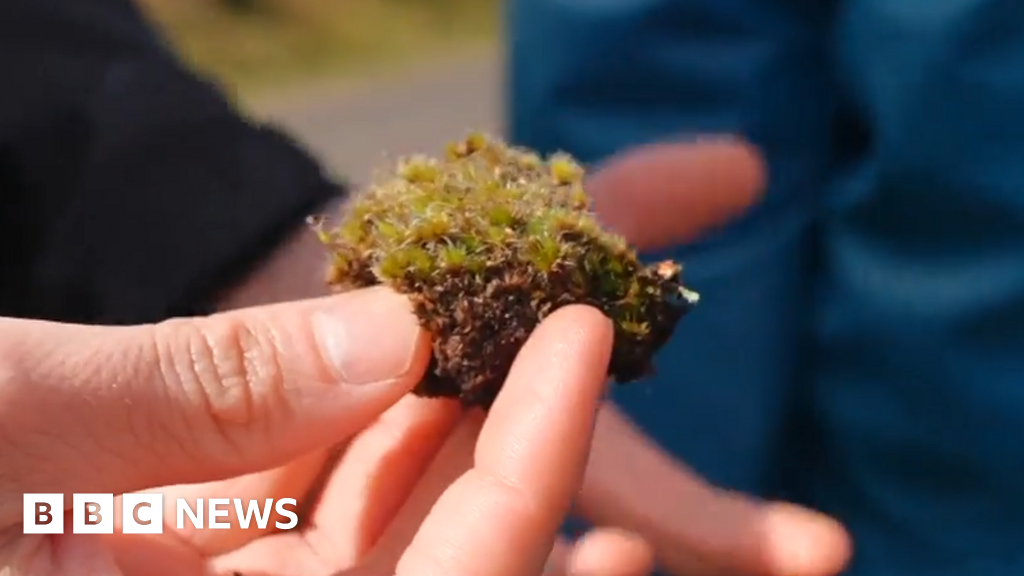
A new 'killer fungus' discovered in the UK targets invasive heath-star moss, offering hope for restoring native habitats. Will it turn the tide against invasives?
BBC Science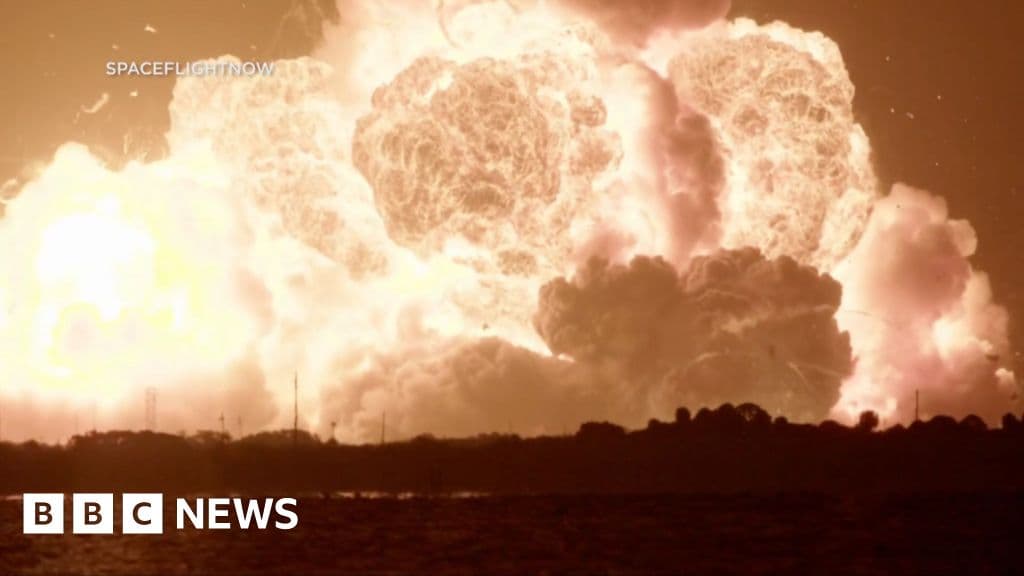
A Blue Origin rocket exploded during a test in Florida, prompting investigations. All personnel are safe. What does this mean for the future of space travel?
BBC Business