
Image: BBC World
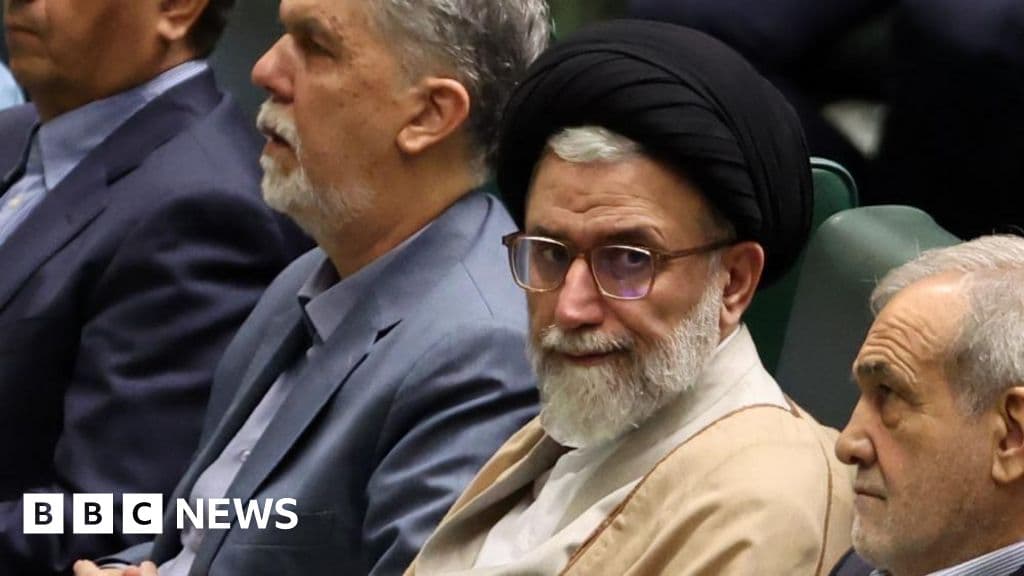
Major developments in Iran as intelligence minister Esmail Khatib is killed in an Israeli airstrike, escalating tensions in the region. What’s next?
GlipzoMasoud Pezeshkian, an influential figure within the Iranian political landscape, condemned the event, calling it a "cowardly assassination" that has plunged Iran into a state of deep mourning. His remarks came shortly after Israel announced that it was responsible for the airstrike that claimed Khatib's life. The assassination of Khatib follows closely on the heels of Israel's announcement that it had also eliminated two other prominent Iranian officials just one day prior: Ali Larijani, a top security official, and Gholamreza Soleimani, the head of Iran’s paramilitary Basij force.
Pezeshkian expressed his condolences to the Iranian populace, emphasizing his belief that the deceased officials' paths would be pursued with even greater determination. This sentiment reflects a common theme among supporters of the regime, who often view such events through the lens of martyrdom.
This perspective highlights the complex relationship between the Iranian leadership and its citizens, as many grapple with the implications of ongoing conflict and the potential for change.
The IDF further justified the strike, asserting that Khatib had played a significant role in supporting the Iranian regime’s repression and terrorist activities, particularly during recent crackdowns on protests. Khatib’s history is notable; appointed by former President Ebrahim Raisi in 2021, he was well-versed in Islamic jurisprudence and held various influential roles within the Iranian intelligence community. His past actions had drawn international scrutiny, resulting in sanctions imposed by the U.S. Treasury for his alleged involvement in cyber activities targeting the United States and its allies.
The Human Rights Activists News Agency (Hrana) offers a grimmer assessment, reporting at least 1,354 civilian casualties alongside 1,138 military personnel since the war began. These numbers reflect the escalating violence and the severe impact on the civilian population caught in the crossfire.
The conflict's reverberations are being felt worldwide, with oil prices surging following the effective closure of the Strait of Hormuz, a critical waterway for energy shipments. This situation raises alarms about potential global economic repercussions as the conflict continues to escalate.

Tensions soar as the US and Iran engage in air strikes near the Strait of Hormuz, raising concerns over global oil supply and regional stability.
BBC World
Trump's international interventions face serious stalemates. What will this mean for U.S. foreign policy? Explore the critical challenges ahead.
Indian Express
Tehran denies resignation of President Masoud Pezeshkian amid claims of IRGC influence. What does this mean for Iran's political stability? Click to learn more!
Indian Express