

Image: The Hindu
Discover how Bengaluru’s PfA Wildlife Hospital is safeguarding urban wildlife through its vital water replenishment initiative in Turahalli Forest.
GlipzoIn a commendable effort to safeguard urban wildlife, PfA Wildlife Hospital, a Bengaluru-based non-profit, has initiated Operation Quench Thirst. This crucial project aims to regularly replenish water resources within the Turahalli Forest, a vital green space in the city. As Bengaluru battles rising temperatures during the summer months, this initiative is more important than ever for the survival of local wildlife.
The Turahalli Forest, situated on the outskirts of Bengaluru, serves as a habitat for numerous species, including the spotted deer. Each year, as the mercury rises, these deer often venture into urban areas, leading to unfortunate encounters with vehicles and other dangers. The PfA Wildlife Hospital’s initiative not only aims to keep water sources filled but also plays a crucial role in preventing injuries caused by wildlife straying out of their natural habitat.
In recent years, the rapid urbanization of Bengaluru has encroached upon many green spaces, threatening the natural habitats of wildlife. The Turahalli Forest, one of the few remaining patches of greenery, is now facing immense pressure from surrounding development.
Operation Quench Thirst is designed to address the critical issue of water scarcity in this forest. The NGO reported that during the hot months, many animals, particularly spotted deer, suffer from dehydration, leading to distress and injury. The initiative not only addresses immediate needs but also aims to create a sustainable model for wildlife conservation in urban settings.
The PfA Wildlife Hospital’s operation involves several key activities aimed at ensuring that water sources within Turahalli Forest are adequately maintained. Here’s how the initiative functions:
The significance of Operation Quench Thirst extends beyond just providing water. It represents a broader commitment to preserving urban wildlife amidst expanding cities. By maintaining water sources, the PfA Wildlife Hospital not only aids in the survival of species like the spotted deer but also contributes to the ecological balance of the region.
Moreover, this initiative raises awareness about the challenges faced by urban wildlife, emphasizing the need for conservation efforts in the face of urban sprawl. It highlights the essential role that local communities can play in wildlife protection.
As Bengaluru continues to grow, the challenges for wildlife conservation are likely to intensify. Observers are keen to see how Operation Quench Thirst evolves in the coming years. Possible future developments may include:
In conclusion, the PfA Wildlife Hospital’s Operation Quench Thirst is a critical step towards ensuring the survival of urban wildlife in Bengaluru. By providing a consistent water source, the initiative not only protects animals but also fosters a deeper connection between communities and their natural environment. As the city continues to evolve, such efforts will be essential in maintaining biodiversity and promoting coexistence between humans and wildlife.
As we look towards the future, initiatives like these will be crucial in shaping a more sustainable urban landscape, where both nature and people can thrive together.

Discover how the brain protein Menin could be the key to halting cognitive decline with new research that uncovers its vital role in aging.
Indian Express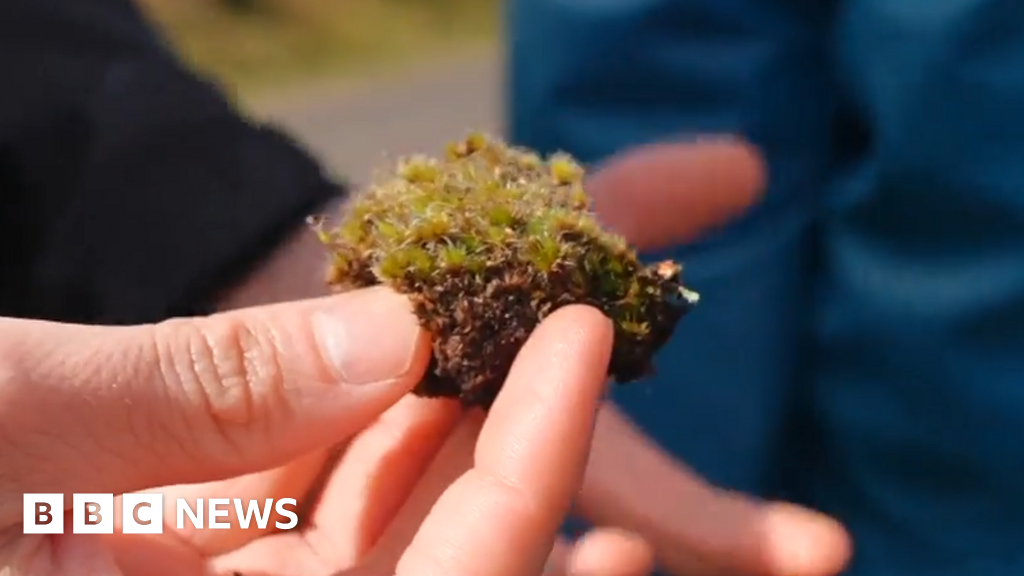
A new 'killer fungus' discovered in the UK targets invasive heath-star moss, offering hope for restoring native habitats. Will it turn the tide against invasives?
BBC Science
A Blue Origin rocket exploded during a test in Florida, prompting investigations. All personnel are safe. What does this mean for the future of space travel?
BBC Business