
Image: BBC Science
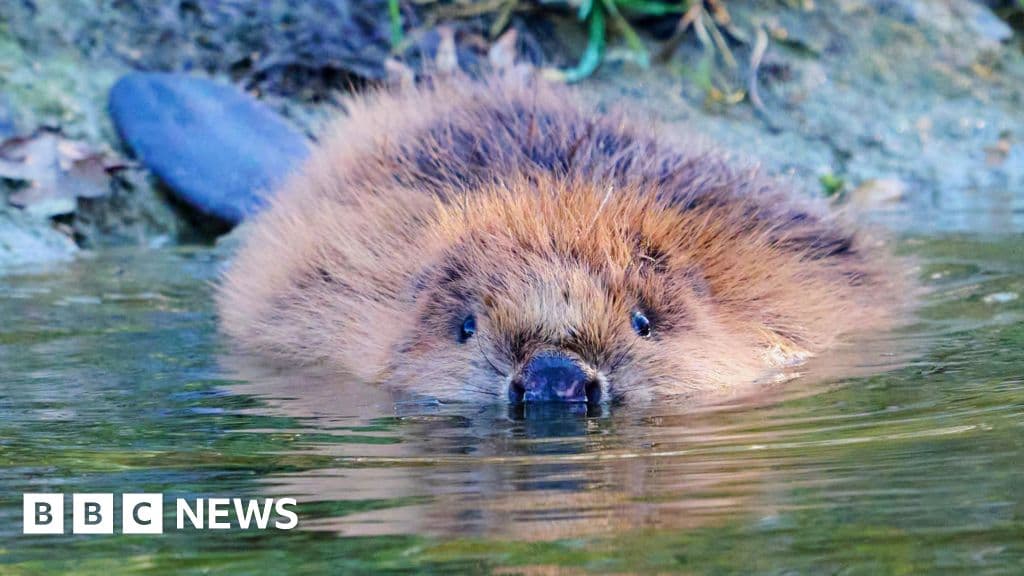
Discover how beavers have returned to Bedfordshire for the first time in 400 years, transforming local ecology and restoring the environment.
GlipzoIn a groundbreaking event, a family of beavers has been successfully reintroduced into the Bedfordshire countryside after an absence of 400 years. This remarkable development took place at the Southill Estate, near Biggleswade, marking a significant milestone in local conservation efforts.
The reintroduction includes a male, a female, and two kits, and follows two years of meticulous planning and preparation. The Eurasian beavers, known for their role as ecosystem engineers, are expected to help restore the local ecology by using their natural dam-building skills. This initiative, spearheaded by Restore, a nature restoration company, aims to enhance the region's resilience against drought and improve overall biodiversity.
Charles Whitbread, the owner of the Southill Estate, described the reintroduction process as a "long and complex journey" fraught with challenges. He expressed immense joy at seeing the beavers thrive in their new habitat, stating, "To finally see the beavers released and swimming in the landscape was truly wonderful, and something I will not forget."
The entire reintroduction project was made possible through a license granted by Natural England, in collaboration with the Beaver Trust. The estate underwent significant modifications to accommodate the beavers, including the construction of a fenced enclosure, a dedicated pond, and the planting of willow trees. A ditch was also redesigned to restore natural water flow and habitat complexity.
The beavers' release was executed in two phases. The first stage involved the introduction of an adult male and two kits, sourced from Scotland. Shortly thereafter, an adult female, who had spent 14 months being rehabilitated at the Wildwood Trust, joined them. Restore emphasized that the release of these beavers aligns with a broader commitment to managing the land in a way that fosters ecological recovery while still allowing for productive land use.
The ecological impact of beavers cannot be overstated. Their dams serve to slow water flow, maintain moisture in the landscape, and can significantly aid in flood mitigation—especially crucial in Bedfordshire, known as one of the driest counties in the UK. According to Restore, beaver dams play a vital role in attenuating peak flows, thereby contributing to the natural flood mitigation of the River Ivel chalk stream catchment. This is essential for maintaining a balanced ecosystem and supporting local wildlife.
Under the terms of the release license, the beavers will be closely monitored to assess their adaptation and impact on the local ecosystem. The long-term goal is to ensure that this reintroduced population thrives and contributes positively to Bedfordshire's natural environment.
The success of this project not only highlights the importance of beavers in ecological restoration but also serves as a beacon of hope for similar conservation efforts across the country. As more landowners consider the potential benefits of rewilding and species reintroductions, the future of wildlife in the UK may be looking brighter.
The return of beavers is a significant event for both biodiversity and local ecosystems. As climate change continues to pose challenges to natural habitats, the reintroduction of native species like beavers can play a crucial role in restoring ecological balance. This initiative demonstrates how conservation efforts can succeed through collaboration between private landowners and environmental organizations.
As we observe this pioneering project unfold, it is essential to monitor its outcomes closely. The success of the beavers on the Southill Estate could pave the way for similar projects in other regions. Conservationists and ecologists will be watching how these beavers adapt to their new environment, the ecological changes they bring about, and how this effort can inspire further initiatives aimed at restoring native wildlife across the UK.
This reintroduction not only symbolizes a step toward environmental recovery but also highlights the critical need for continued action to protect and enhance our natural landscapes.

Discover how the brain protein Menin could be the key to halting cognitive decline with new research that uncovers its vital role in aging.
Indian Express
A new 'killer fungus' discovered in the UK targets invasive heath-star moss, offering hope for restoring native habitats. Will it turn the tide against invasives?
BBC Science
A Blue Origin rocket exploded during a test in Florida, prompting investigations. All personnel are safe. What does this mean for the future of space travel?
BBC Business