
Image: Indian Express
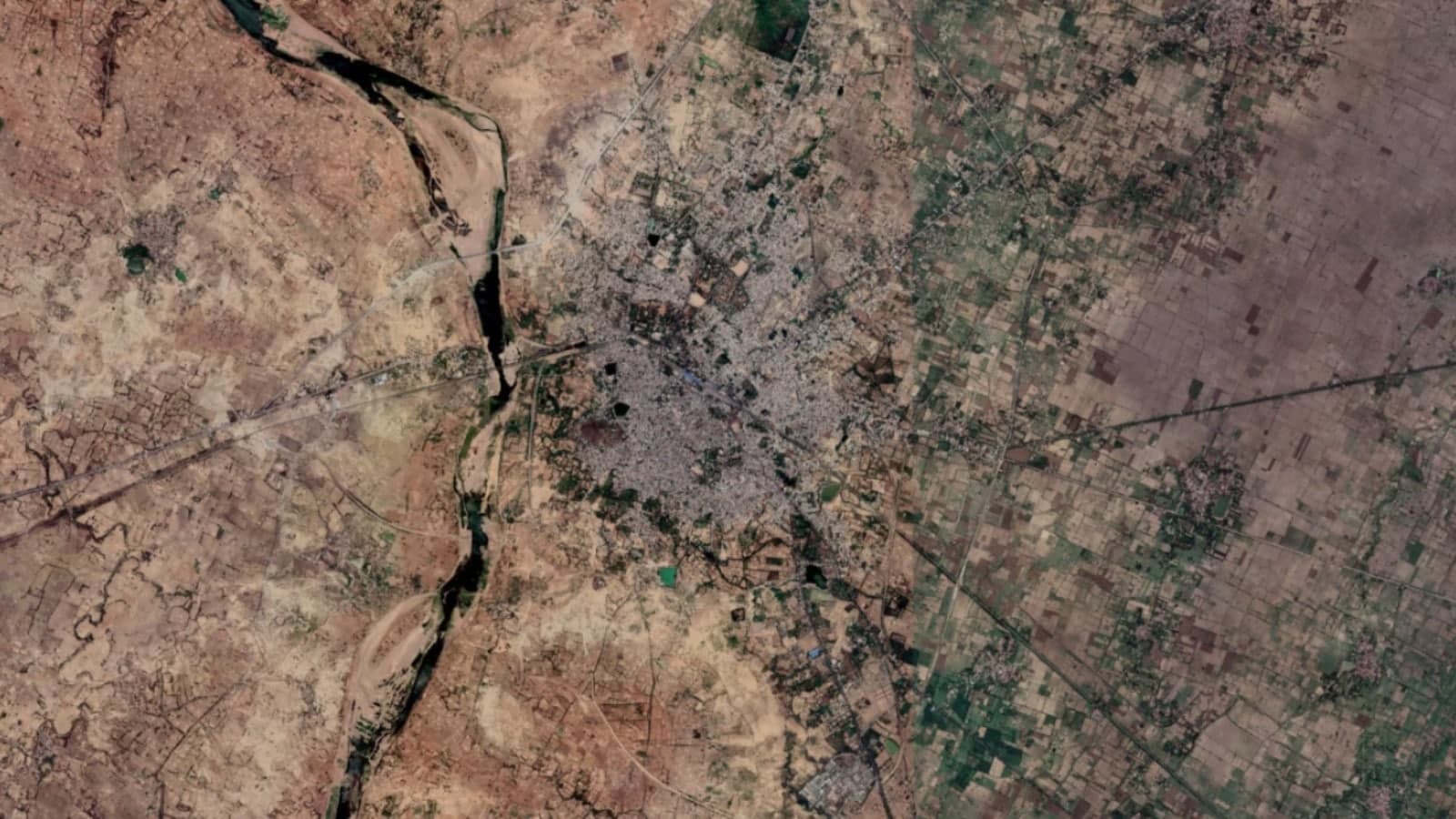
Discover why Banda, Uttar Pradesh, is dubbed the 'world's hottest city' and the ecological issues fueling extreme heat in this critical region.
GlipzoBanda's landscape, characterized by extensive open land and rocky terrain, exacerbates the heat phenomenon. The lack of greenery and the prevalence of exposed agricultural land are major contributors to the rising temperatures.
Rajneesh Sareen, the director of the sustainable building and habitat program at the Centre for Science and Environment, highlights that land cover significantly affects the region's heat levels. "After harvesting, much of the land remains exposed in Banda and starts behaving like a heat center," he explains. This phenomenon is further intensified by the presence of dried riverbeds and decreased water flow, which collectively create a “man-made heat center.”
Meteorological factors also play a crucial role in Banda's extreme heat. According to Atul Kumar Singh, a scientist from the India Meteorological Department (IMD), the absence of an active weather system in southern Uttar Pradesh is causing intense radiative heating during the day. "An anticyclonic circulation over central India is trapping warm air in the region," he explains, resulting in consistently high temperatures between 45°C and 48.2°C over the past two weeks.
However, experts like Sareen caution that advisories alone may not suffice, especially in a region where many people rely on outdoor labor for survival. "Even during heatwave warnings, agricultural workers and laborers often have no choice but to continue working due to economic constraints," he argues. While work hours may be adjusted, the necessity to earn a living forces many to step out into the unforgiving heat.
Addressing the heat crisis in Banda requires a multifaceted approach: - Restoration of natural resources: Efforts should focus on reintroducing green spaces and water bodies. - Sustainable mining practices: Regulation of mining activities near the Ken River could help protect the local ecosystem. - Public awareness campaigns: Educating residents about heat safety and sustainable practices can empower communities to adapt.
Ultimately, the situation in Banda is a reminder of the consequences of environmental neglect and the urgent need for action. As climate change continues to challenge our resilience, cities like Banda must adapt to survive the heat.

Discover how the brain protein Menin could be the key to halting cognitive decline with new research that uncovers its vital role in aging.
Indian Express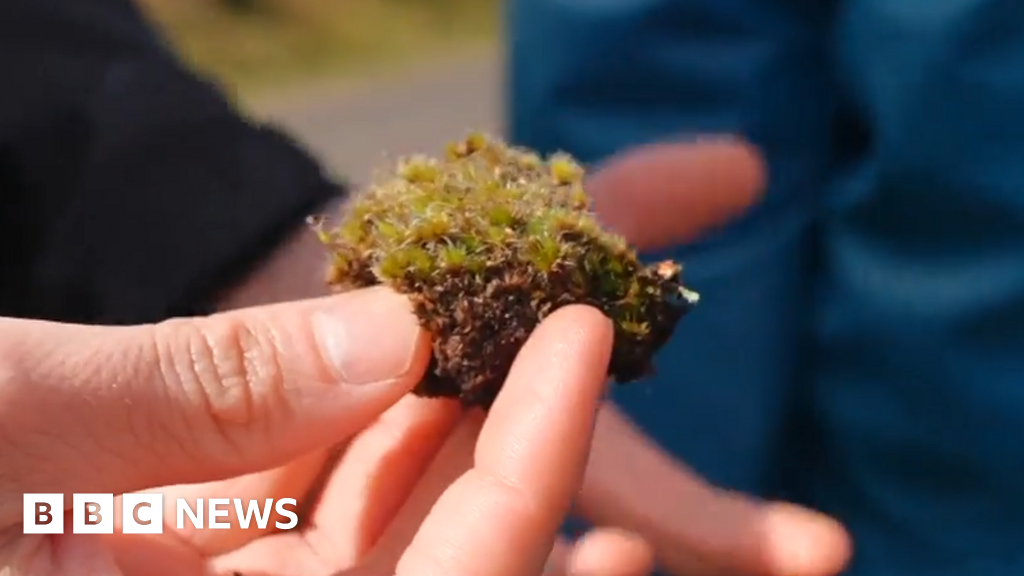
A new 'killer fungus' discovered in the UK targets invasive heath-star moss, offering hope for restoring native habitats. Will it turn the tide against invasives?
BBC Science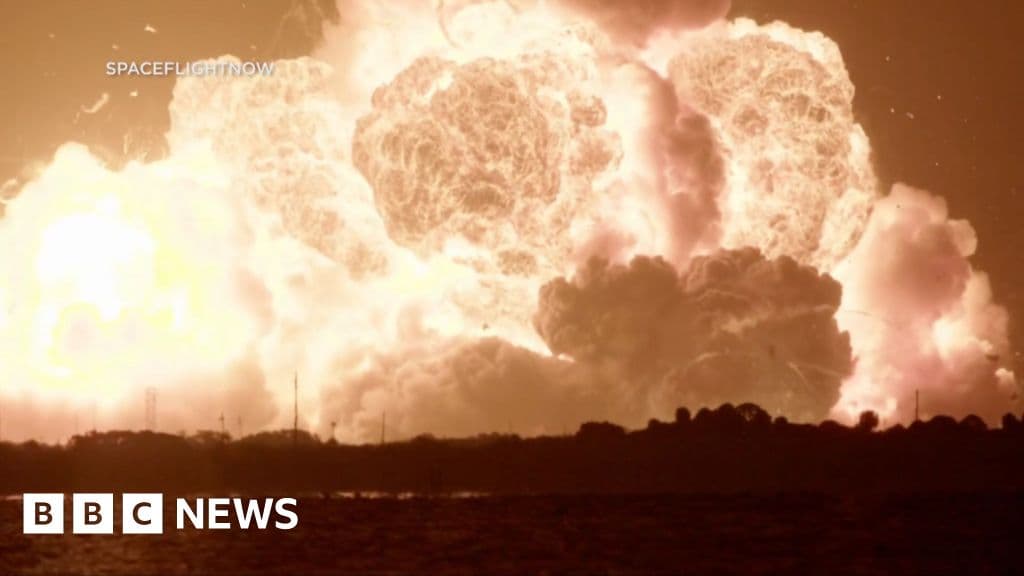
A Blue Origin rocket exploded during a test in Florida, prompting investigations. All personnel are safe. What does this mean for the future of space travel?
BBC Business