
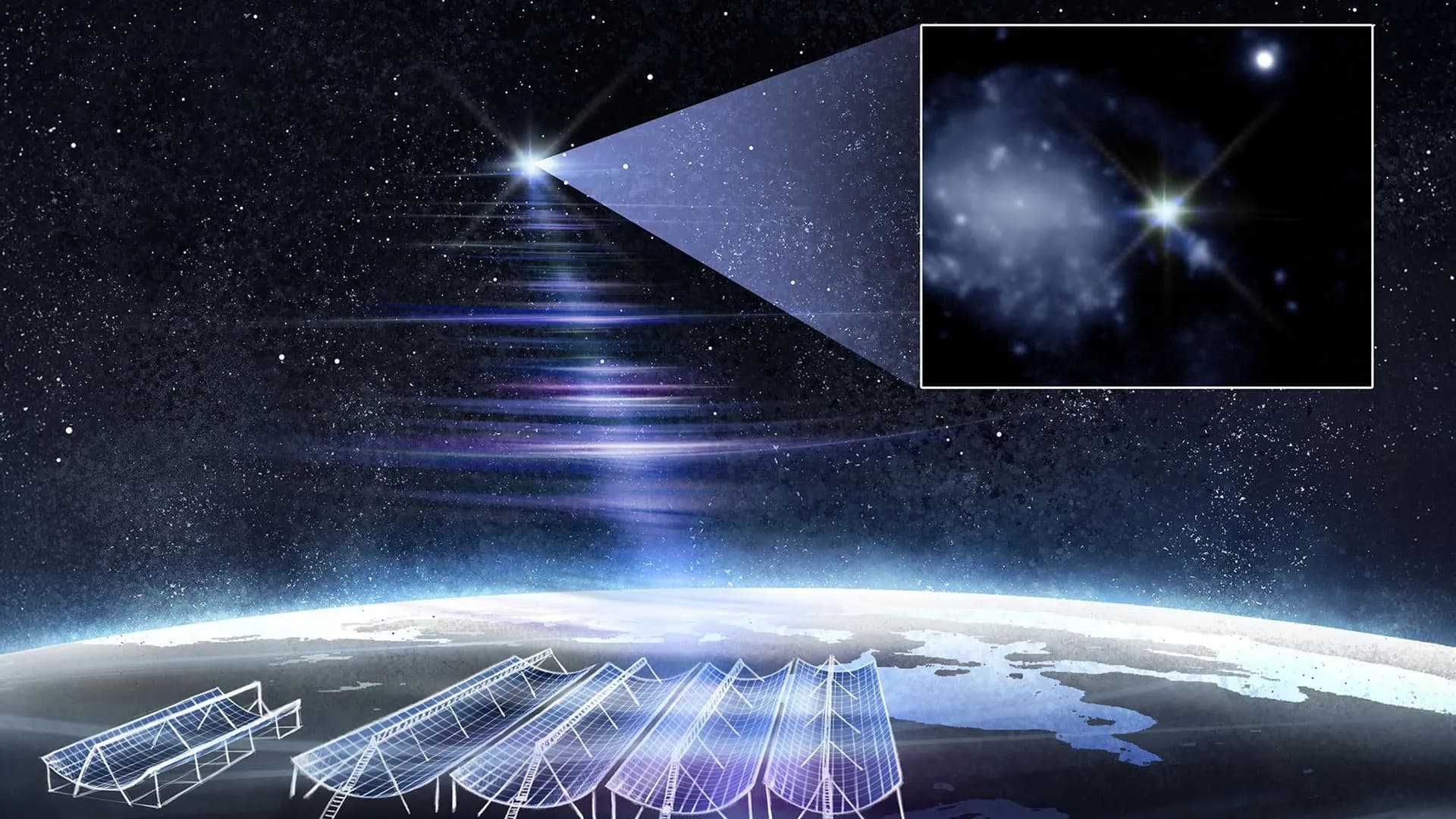
Image: Science Daily
Astronomers have pinpointed the source of the brightest Fast Radio Burst ever, paving the way for new insights into cosmic phenomena. Discover the details!
GlipzoIn a remarkable feat of astronomical research, an international team of scientists has pinpointed the origin of the brightest Fast Radio Burst (FRB) ever recorded. This significant discovery was made possible by a collaborative effort involving researchers from the University of Toronto, who utilized a sophisticated network of radio telescopes to locate the burst in a nearby galaxy. The implications of this finding could open new avenues in our understanding of FRBs and their mysterious cosmic origins.
Fast Radio Bursts are intense flashes of radio energy that can travel vast distances across the universe, and their origins have long puzzled scientists. These bursts are believed to result from extreme astrophysical phenomena, but the exact mechanisms behind them remain largely unknown. Since 2018, the Canadian Hydrogen-Intensity Mapping Experiment (CHIME) has detected thousands of these enigmatic signals, yet accurately determining their locations in the cosmos has been a significant hurdle.
The newly identified signal, designated FRB 20250316A and affectionately nicknamed RBFLOAT (short for "Radio Brightest Flash Of All Time"), was localized with unprecedented precision thanks to the CHIME/FRB Outrigger array. This array, consisting of smaller versions of the CHIME instrument, is strategically positioned in British Columbia, Northern California, and West Virginia. By employing Very Long Baseline Interferometry (VLBI), which combines signals from widely spaced telescopes, astronomers could determine the burst's position in the sky with remarkable accuracy.
Mattias Lazda, a doctoral student at the University of Toronto and co-author of the research, shared his excitement: "We were ultimately extremely lucky that we were able to pinpoint the precise sky position of this rare event. A few hours after we detected it, we experienced a power outage at one of our telescope sites that played a critical role in telling us where the burst came from. Had the event happened any later that day, we would've completely missed our chance."
Fast Radio Bursts, while among the most powerful radio sources known, last only a fleeting moment. Typically, these bursts endure from mere milliseconds to a few seconds, outshining every other radio signal in their host galaxy during that brief period. The RBFLOAT burst, detected on March 16, 2025, lasted approximately one-fifth of a second.
Kiyoshi Masui, an associate professor of physics and member of the Kavli Institute for Astrophysics and Space Research at MIT, emphasized the significance of this discovery: "Cosmically speaking, this fast radio burst is just in our neighborhood. This means we get this chance to study a pretty normal FRB in exquisite detail." The proximity of the burst, located near the outskirts of NGC 4141, a galaxy situated about 130 million light-years away in the constellation Ursa Major, allowed researchers to narrow down the origin of the signal to a region merely 45 light-years across—smaller than the typical size of a star cluster. This level of precision is akin to identifying a guitar pick from 1,000 kilometers away.
Amanda Cook, a Banting Postdoctoral Researcher at McGill University and co-author of the research, expressed her enthusiasm: "The discovery was very exciting because we had our brightest ever event right after all three outriggers were online. Immediately, even though it was a Sunday afternoon, a bunch of us piled into a Zoom room and started hacking away at the research, hoping to get follow-up observations on the source as quickly as possible."
The accurate localization provided by the CHIME/FRB Outrigger array enabled the research team to conduct follow-up observations using the James Webb Space Telescope (JWST). During these observations, scientists detected a faint infrared signal emanating from the same location as RBFLOAT. This finding was unexpected, and researchers are currently investigating its implications.
One theory suggests that this faint signal may originate from a previously unknown astrophysical object, which could provide invaluable insights into the nature of FRBs and their environments. As researchers delve deeper into the data gathered from the JWST, they hope to uncover more about the cosmic events that lead to the formation of Fast Radio Bursts.
The discovery of RBFLOAT and its precise localization represents a significant milestone in the field of astronomy. Understanding the origins of these high-energy events can lead to breakthroughs in our knowledge of the universe's most extreme phenomena. As scientists continue to investigate the faint signal detected by JWST, they may uncover new astrophysical processes that could reshape our understanding of cosmology.
This finding also underscores the importance of collaboration in scientific research. The successful integration of various telescopes and observatories showcases how teamwork can lead to groundbreaking discoveries. As technology improves and more telescopes come online, astronomers will be better equipped to tackle the mysteries of the universe.
Looking ahead, the astronomical community will be closely monitoring follow-up studies on RBFLOAT and its associated infrared signal. Researchers anticipate that these investigations will yield further insights into the nature of Fast Radio Bursts and their role in the cosmos, potentially leading to the resolution of long-standing questions in astrophysics.
In summary, the identification of the brightest Fast Radio Burst ever observed marks a pivotal moment in astronomical research, one that may pave the way for new discoveries and a deeper understanding of the universe's complexities.

Discover how the brain protein Menin could be the key to halting cognitive decline with new research that uncovers its vital role in aging.
Indian Express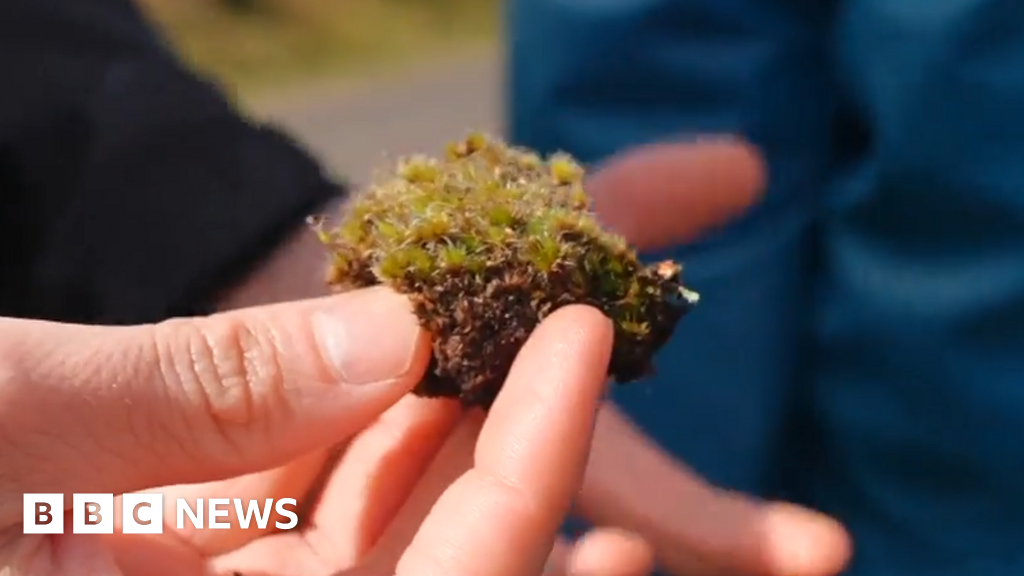
A new 'killer fungus' discovered in the UK targets invasive heath-star moss, offering hope for restoring native habitats. Will it turn the tide against invasives?
BBC Science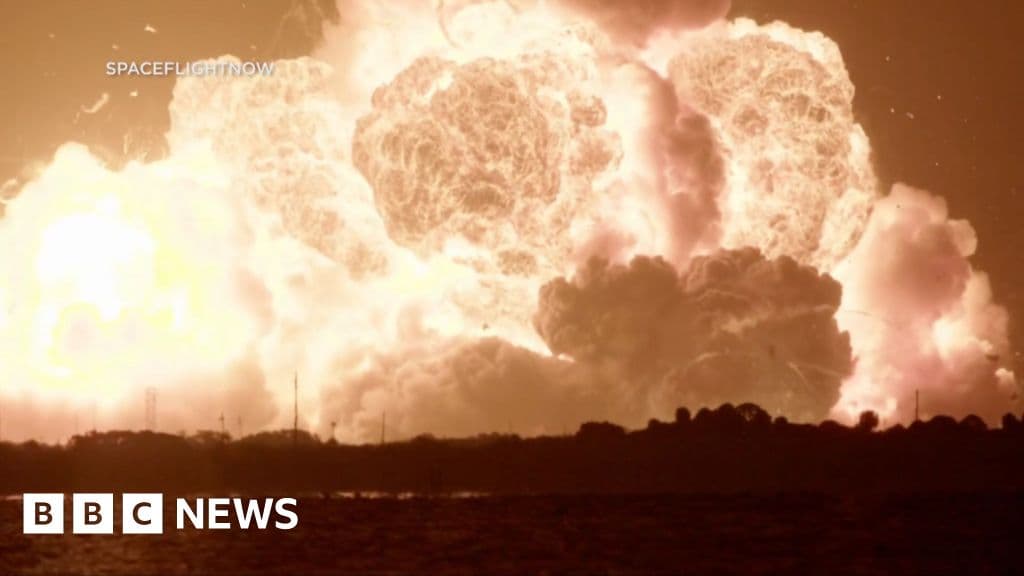
A Blue Origin rocket exploded during a test in Florida, prompting investigations. All personnel are safe. What does this mean for the future of space travel?
BBC Business