
Image: BBC Science
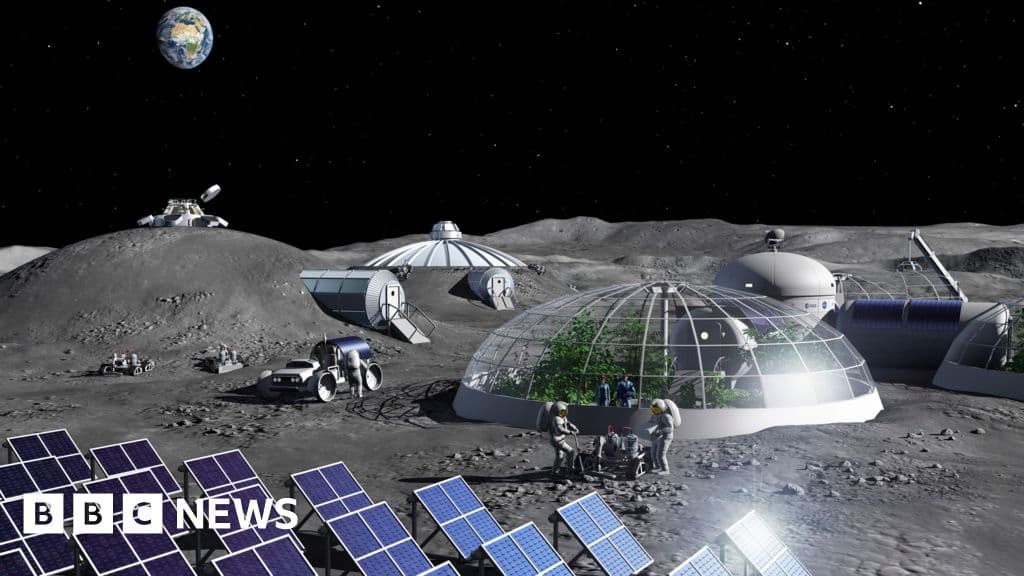
NASA's Artemis II mission marks a new era of lunar exploration, but significant challenges lie ahead for establishing a sustainable lunar presence.
GlipzoNASA's Artemis II mission has made headlines by successfully completing a historic journey around the far side of the Moon, safely returning its crew of four astronauts back to Earth. This mission not only showcased the capabilities of the Orion spacecraft but also reignited the public's fascination with space exploration. As images of the lunar landscape filled screens worldwide, many began to wonder: will the next generation have the opportunity to live and work on the Moon or even venture to Mars?
While the Artemis II mission is a remarkable achievement, it is essential to acknowledge that merely orbiting the Moon is a significant step, but not the ultimate goal. Jared Isaacman, NASA's Administrator, has ambitious plans. He envisions a lunar landing crewed mission every year starting in 2028, with the fifth Artemis mission slated for that same year marking the establishment of a lunar base.
This endeavor sounds like something straight out of science fiction; however, it is firmly rooted in reality. Josef Aschbacher, Director General of the European Space Agency (ESA), expressed optimism about the future, stating, "The Moon economy will develop. It will take time to set up the various elements, but it will develop."
But history teaches us that ambition alone does not guarantee success. The Apollo program was initially driven by political motivations during the Cold War. Neil Armstrong's historic moonwalk in 1969 was celebrated, yet the public's interest waned, leading to the cancellation of subsequent missions. The challenge now is to sustain that excitement and commitment to exploration.
For NASA to achieve the ambitious goal of a sustainable lunar presence, a critical component is missing: a reliable lunar lander. NASA has engaged SpaceX and Blue Origin for this task, with both companies facing significant delays. SpaceX’s lunar version of the Starship rocket, towering at 35 meters, and Blue Origin’s compact Blue Moon Mark 2 are both behind schedule, raising concerns about meeting future mission deadlines.
A report from NASA's Office of Inspector General highlighted the severity of these delays, with SpaceX’s lander expected to be two years late and Blue Origin’s craft eight months delayed. These setbacks are particularly concerning given the complexity and scale of the new landers, which must carry substantial infrastructure, including: - Equipment - Pressurized rovers - Early components for a lunar base
The new lunar landers differ significantly from the compact Eagle module used in the Apollo missions. Unlike the Eagle, which only needed to transport two astronauts for a brief lunar visit, the current landers must support a more extensive mission profile. To facilitate this, a substantial quantity of propellant is required, which creates logistical challenges for launches.
To address these challenges, the Artemis program plans to establish a propellant depot orbiting Earth. This depot will be refueled through more than 10 tanker flights over several months. While this strategy appears efficient, it is fraught with technical difficulties, particularly in maintaining the stability of super-cold liquid oxygen and methane in the vacuum of space.
Dr. Simeon Barber, a space scientist from the Open University, elaborated on these complexities, highlighting that what may be challenging on the launch pad becomes exponentially more difficult in orbit. The recent delays in launching Artemis II due to fueling issues only underscore the potential hurdles ahead.
As the Artemis program progresses, the next critical mission—Artemis III—will aim to land astronauts on the lunar surface. This mission is essential not only for its scientific goals but also for laying the groundwork for sustained human presence on the Moon. The success of Artemis III will be a pivotal moment, potentially leading to the establishment of a lunar base as envisioned by NASA.
Looking ahead, the Artemis program must overcome numerous hurdles, including: - Building reliable lunar landers - Establishing a propellant depot - Ensuring the safety and efficiency of operations in low Earth orbit and beyond
The excitement surrounding Artemis II could serve as a vital catalyst for public interest and support, which is crucial for the long-term success of lunar exploration. If NASA can navigate these challenges, the dream of a Moon base may not just be a fantasy for today’s youth—it could become a reality within their lifetimes.
As we await the outcomes of future missions, the world will be watching closely. Will NASA rise to the occasion and fulfill its ambitious lunar agenda? The answer will shape the future of human exploration beyond our planet.

Discover how the brain protein Menin could be the key to halting cognitive decline with new research that uncovers its vital role in aging.
Indian Express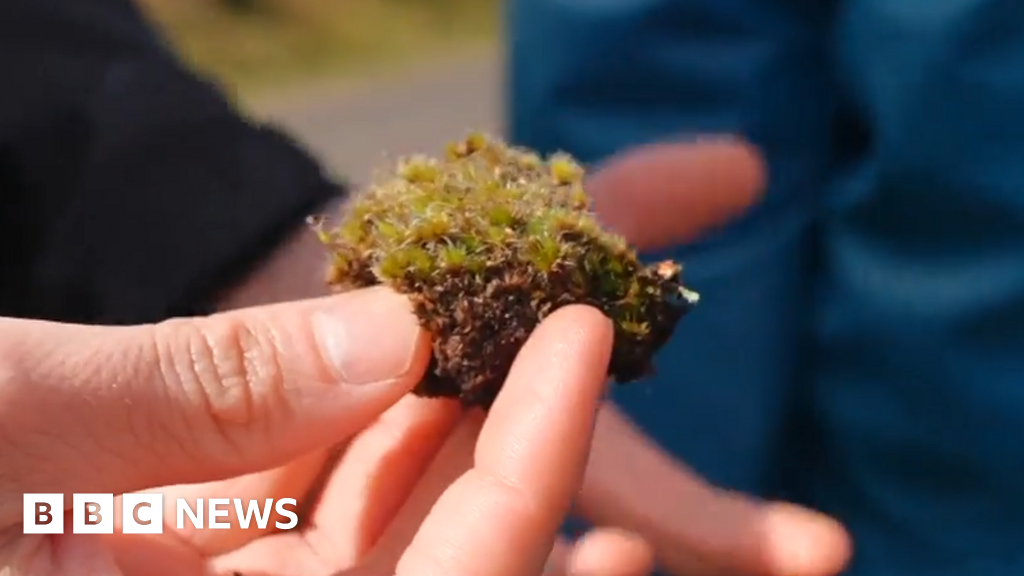
A new 'killer fungus' discovered in the UK targets invasive heath-star moss, offering hope for restoring native habitats. Will it turn the tide against invasives?
BBC Science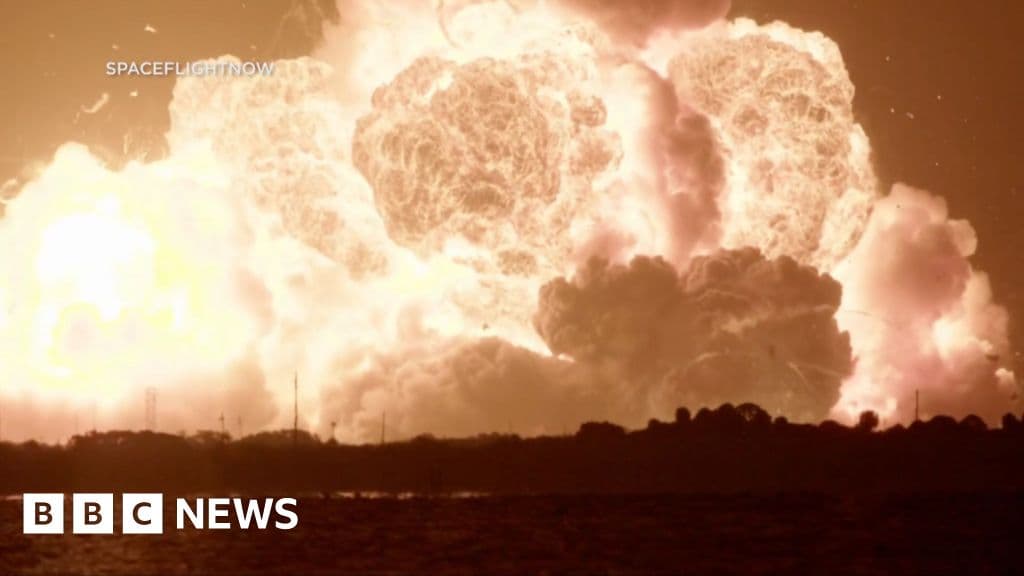
A Blue Origin rocket exploded during a test in Florida, prompting investigations. All personnel are safe. What does this mean for the future of space travel?
BBC Business