

AI Generated
NASA's Artemis II mission is set to make history as it approaches the far side of the Moon, marking humanity's first departure from Earth's orbit since 1972.
GlipzoIn an exciting development for space exploration, NASA's Artemis II mission is making significant strides towards the far side of the Moon, marking the first time humans will leave Earth’s orbit since 1972. This ambitious mission, part of NASA's broader goal to establish a sustainable human presence on the Moon, aims to pave the way for future exploration of Mars and beyond.
Launched on November 12, 2023, Artemis II is set to take four astronauts on a groundbreaking mission that will last approximately 10 days. This mission encompasses a daring flight path that will see the crew travel around the Moon, providing valuable insights and data that will be crucial for upcoming lunar and Martian missions. The crew will include NASA astronauts Reid Wiseman, Victor Glover, Christina Koch, and European Space Agency astronaut Jeremy Hansen. Each member brings unique skills and experiences that will enhance the mission's success.
This mission is more than just a leap for NASA; it represents a giant leap for all humanity as it rekindles our connection to lunar exploration and expands our understanding of space.
The Artemis II mission is designed to achieve several key objectives, including: - Testing spacecraft systems: The mission will rigorously test the Orion spacecraft and the Space Launch System (SLS) rocket, which are crucial for future lunar missions. - Crew training: Providing astronauts with firsthand experience in the operational aspects of deep space travel. - Gathering data: Collecting critical information that will inform future missions, particularly those targeting Mars. - Public engagement: Inspiring the next generation of scientists and engineers by showcasing human spaceflight.
This mission sets the stage for a series of ambitious goals that will ultimately culminate in the establishment of a lunar base and a sustained human presence on the Moon.
The far side of the Moon, often referred to as the dark side, is not always dark but is hidden from direct view from Earth. This area is of great scientific interest for several reasons: - Unique geology: The far side is thought to hold different geological features and materials that could provide insights into the Moon's history. - Lunar exploration: Understanding the far side is vital for future lunar missions and potential resource utilization. - Astronomical observations: The lack of an atmosphere on the far side makes it an ideal location for telescopes, free from Earth’s radio interference.
By venturing towards the far side of the Moon, Artemis II will gather invaluable data that could revolutionize our understanding of both the Moon and the broader cosmos.
The Artemis II mission is a critical step in humanity's journey beyond Earth. The last time humans ventured beyond low Earth orbit was during the Apollo missions in the early 1970s. Since then, advancements in technology and a renewed interest in space exploration have set the stage for a new era. Here’s why this mission is significant: - Renewed interest in lunar exploration: The success of Artemis II will reinvigorate interest in scientific research on the Moon. - International collaboration: This mission exemplifies how nations can work together in the pursuit of common goals in space exploration. - Inspirational legacy: Artemis II aims to inspire a new generation to consider careers in STEM fields, which are crucial for the future of space exploration.
These factors highlight not only the mission's importance but also its potential impact on global scientific communities.
As Artemis II approaches its lunar destination, the focus will shift to what comes next. The upcoming missions, including Artemis III, are set to land astronauts on the Moon’s surface, including the first woman and the next man. This will be a significant milestone in achieving gender equality in space exploration and showcasing the capabilities of diverse teams.
Moreover, the Artemis program aims to establish a sustainable human presence on the Moon by the end of the decade, with plans for lunar bases that can support longer missions. These bases will serve as launch pads for future missions to Mars, fostering a new era of interplanetary exploration.
The Artemis II mission is not just a step toward the Moon; it is a leap into the future of human space exploration. As the mission progresses, the world watches with bated breath, eager to see how this endeavor will reshape our understanding of space and inspire generations to come. With each passing milestone, we are reminded of our shared curiosity and the limitless possibilities that lie beyond our home planet.
The future is bright for space exploration, and Artemis II is leading the charge into uncharted territory.

Discover how the brain protein Menin could be the key to halting cognitive decline with new research that uncovers its vital role in aging.
Indian Express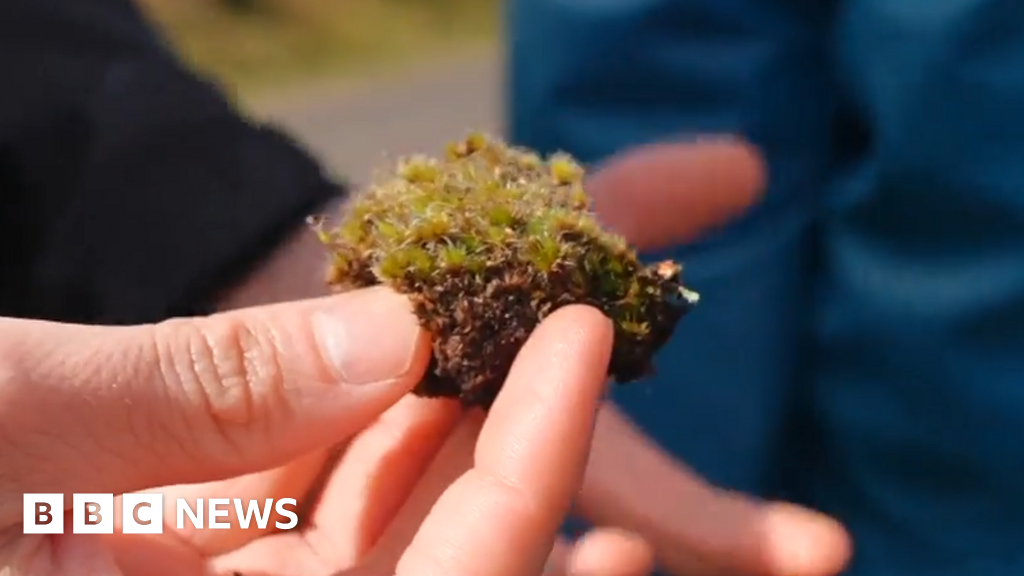
A new 'killer fungus' discovered in the UK targets invasive heath-star moss, offering hope for restoring native habitats. Will it turn the tide against invasives?
BBC Science
A Blue Origin rocket exploded during a test in Florida, prompting investigations. All personnel are safe. What does this mean for the future of space travel?
BBC Business