

Image: BBC World
The Artemis II crew's triumphant return to Earth marks a significant milestone in lunar exploration, inspiring future generations of space travelers.
GlipzoThe Artemis II mission, a groundbreaking expedition that took four astronauts on an extraordinary journey around the Moon, has successfully concluded with a heartfelt homecoming event in Houston, Texas. This monumental mission, which pushed the limits of human exploration, marked a significant milestone for NASA and space enthusiasts worldwide. On Saturday, the crew members were joyfully reunited with their families, celebrating their safe return after a nine-day voyage that brought them further from Earth than any humans have ever traveled before.
Commander Reid Wiseman, reflecting on the mission, expressed profound gratitude, stating, "This mission was the most special thing I ever went through in my life." His words resonate with the sentiment shared by many who understand the challenges and triumphs of space exploration. Alongside Wiseman, the crew included pilot Victor Glover, mission specialist Christina Koch, and Canadian astronaut Jeremy Hansen, each of whom played a vital role in this historic flight.
The Artemis II mission serves as a crucial step toward future lunar exploration and eventual Mars missions. By testing new technologies and gathering valuable data, NASA aims to pave the way for sustainable human presence on the Moon and beyond. This mission not only showcases human ingenuity but also strengthens international cooperation in space exploration.
The Artemis II crew's journey was not just a test of technology but also a testament to human resilience and teamwork. They soared into the depths of space aboard the Orion spacecraft, traversing a path that took them approximately 6,400 miles from Earth—setting a new distance record for human spaceflight. The crew conducted various tests and gathered data essential for future missions, including the upcoming Artemis III, which aims to land astronauts on the lunar surface.
The significance of this mission cannot be overstated. It represents a renewed commitment to human space exploration and a reminder of the potential that lies beyond our planet. As the crew members shared their experiences and emotions upon returning, they inspired a new generation of dreamers and explorers.
The welcome event in Houston was filled with excitement, as families reunited, and the community celebrated the astronauts' achievements. The atmosphere was electric, with many attendees expressing their admiration for the crew's bravery and dedication. Events like these highlight the importance of community support in advancing scientific endeavors and promoting space exploration.
Looking ahead, NASA is poised to continue its ambitious plans for lunar exploration under the Artemis program. The next mission, Artemis III, is set to land astronauts on the Moon, including the first woman and the next man, in an effort to explore the lunar south pole region. This area is believed to contain water ice, which could be pivotal for future human habitation and resource utilization.
The Artemis program's future is bright, with several key initiatives on the horizon: - Artemis III: Scheduled for a lunar landing, aiming to explore the Moon's south pole. - Sustainable Lunar Presence: Developing lunar habitats and infrastructure for long-term exploration. - Mars Missions: Utilizing lessons learned from lunar missions to prepare for human exploration of Mars.
As humanity looks to the stars, the Artemis II mission stands as a reminder of what can be achieved when we dare to dream big. The lessons learned from this journey will influence not just the next steps in the Artemis program but also the future of space exploration as a whole.
The successful return of the Artemis II crew is a pivotal moment in the narrative of human exploration. It signifies not only a technological achievement but also a commitment to unity and shared goals in the pursuit of knowledge and discovery. As we stand at the threshold of a new era in space exploration, the mission serves as a beacon of hope, inspiring future generations to continue pushing the boundaries of what is possible.
As we await further updates from the Artemis program, the excitement surrounding upcoming missions continues to grow. The world watches with bated breath as NASA embarks on its next adventures, paving the way for humanity's future among the stars.

Discover how the brain protein Menin could be the key to halting cognitive decline with new research that uncovers its vital role in aging.
Indian Express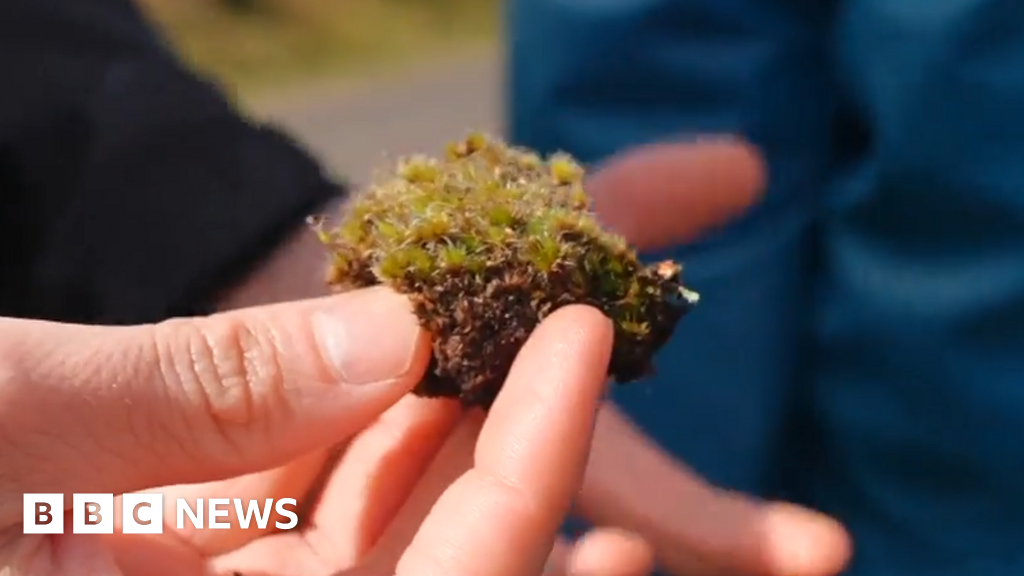
A new 'killer fungus' discovered in the UK targets invasive heath-star moss, offering hope for restoring native habitats. Will it turn the tide against invasives?
BBC Science
A Blue Origin rocket exploded during a test in Florida, prompting investigations. All personnel are safe. What does this mean for the future of space travel?
BBC Business