

Image: Science Daily
Scientists uncover ancient DNA sequences in plants dating back 400 million years, revealing crucial insights for agriculture and evolutionary biology.
GlipzoIn a remarkable breakthrough, a team of scientists has unveiled ancient DNA sequences within plants that date back over 400 million years. This discovery sheds light on the complex evolution of regulatory DNA, which governs the on-off switches for genes in plants and animals alike. Despite significant advancements in genetic research, the understanding of regulatory DNA’s conservation over vast evolutionary timelines has remained elusive. This recent study, published in Science, provides crucial insights into how these sequences have endured through eons of plant evolution.
The research, conducted by Cold Spring Harbor Laboratory (CSHL) in collaboration with various global institutions, identified more than 2.3 million conserved non-coding sequences (CNSs) across 314 plant genomes from 284 different species. This monumental effort utilized a novel computational tool named Conservatory, designed by a coalition of researchers including Idan Efroni, Madelaine Bartlett, and Zachary Lippman. The findings challenge the assumption that regulatory DNA conservation is absent in plant species, revealing a rich tapestry of genetic history.
For decades, biologists have been fascinated by the resilience and similarity of genes across diverse species. However, the regulatory DNA that influences these genes often lacks the same level of conservation, leading to persistent questions in evolutionary biology. The recent findings indicate that regulatory DNA has not only been conserved but also serves as a fundamental building block in plant development.
Anat Hendelman, a postdoctoral researcher at CSHL and co-first author of the study, expressed astonishment at the sheer number of previously unrecognized regulatory sequences. "Picking apart and genetically editing these CNSs confirmed they're essential for developmental function," Hendelman stated, highlighting the critical role these sequences play in plant growth and adaptation.
The research team adopted a pioneering methodology, meticulously examining the organization and composition of gene clusters at a granular level. By comparing the arrangement of these clusters across a wide array of plant genomes, scientists were able to identify conserved elements that prior methodologies had overlooked. This approach marks a significant advancement in the field of plant genetics, emphasizing the need for innovative techniques in uncovering hidden genetic information.
The researchers discovered three key principles governing the evolution of CNSs in plant genomes: - Consistency of Order: Despite variations in the physical spacing of these sequences, their order along chromosomes tends to remain stable. - Gene Linkage Changes: CNSs can become associated with different genes as plant genomes undergo rearrangement over time. - Duplication and Preservation: Ancient CNSs often persist even after gene duplications, a phenomenon that significantly influences plant genome evolution.
Zachary Lippman noted the uniqueness of their findings, stating, "We found that new regulatory sequences often emerge from ancient CNSs that were modified after gene duplication. This helps explain how novel regulatory elements develop."
The insights gained from the Conservatory project are set to revolutionize plant biology and crop science. Researchers now possess a comprehensive atlas showcasing the conservation of regulatory DNA across a multitude of plant species, including important crop varieties and their wild relatives. This resource will be invaluable for plant biologists like CSHL collaborator David Jackson, who aim to understand the evolutionary paths of regulatory DNA.
The implications of this discovery stretch far beyond academic curiosity. As global challenges such as drought and food insecurity loom, understanding the genetic foundations of plant resilience becomes increasingly vital. Crop breeders can leverage these insights to develop better-adapted crops capable of thriving in changing environmental conditions.
As researchers continue to decode the complexities of plant genomes, the potential applications of these findings will likely expand. The understanding of ancient regulatory sequences may open doors to innovative breeding strategies and genetic engineering techniques. Future studies could focus on: - Enhancing Crop Resilience: Further investigations can help identify specific CNSs linked to traits such as drought tolerance or pest resistance. - Expanding the Atlas: Continuing to refine the catalog of regulatory DNA could unveil even more secrets of plant evolution. - Cross-Species Comparisons: Analyzing regulatory DNA across various kingdoms could provide deeper insights into the fundamental principles of life.
In conclusion, this groundbreaking study not only enriches our understanding of plant evolution but also paves the way for addressing some of the most pressing agricultural challenges of our time. As scientists delve deeper into the ancient genetic archives of plants, the future of agriculture may be brighter than ever.

Discover how the brain protein Menin could be the key to halting cognitive decline with new research that uncovers its vital role in aging.
Indian Express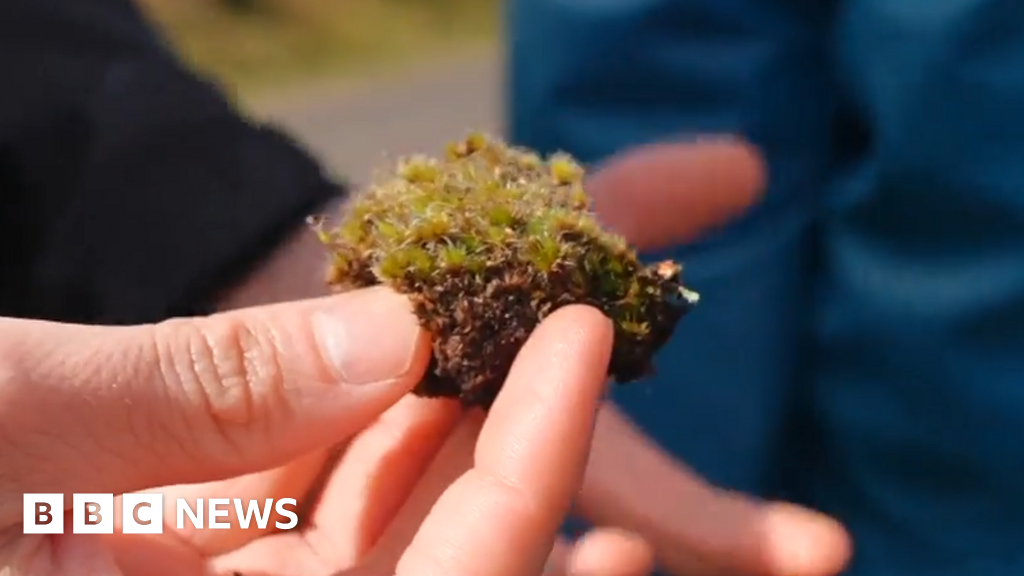
A new 'killer fungus' discovered in the UK targets invasive heath-star moss, offering hope for restoring native habitats. Will it turn the tide against invasives?
BBC Science
A Blue Origin rocket exploded during a test in Florida, prompting investigations. All personnel are safe. What does this mean for the future of space travel?
BBC Business