
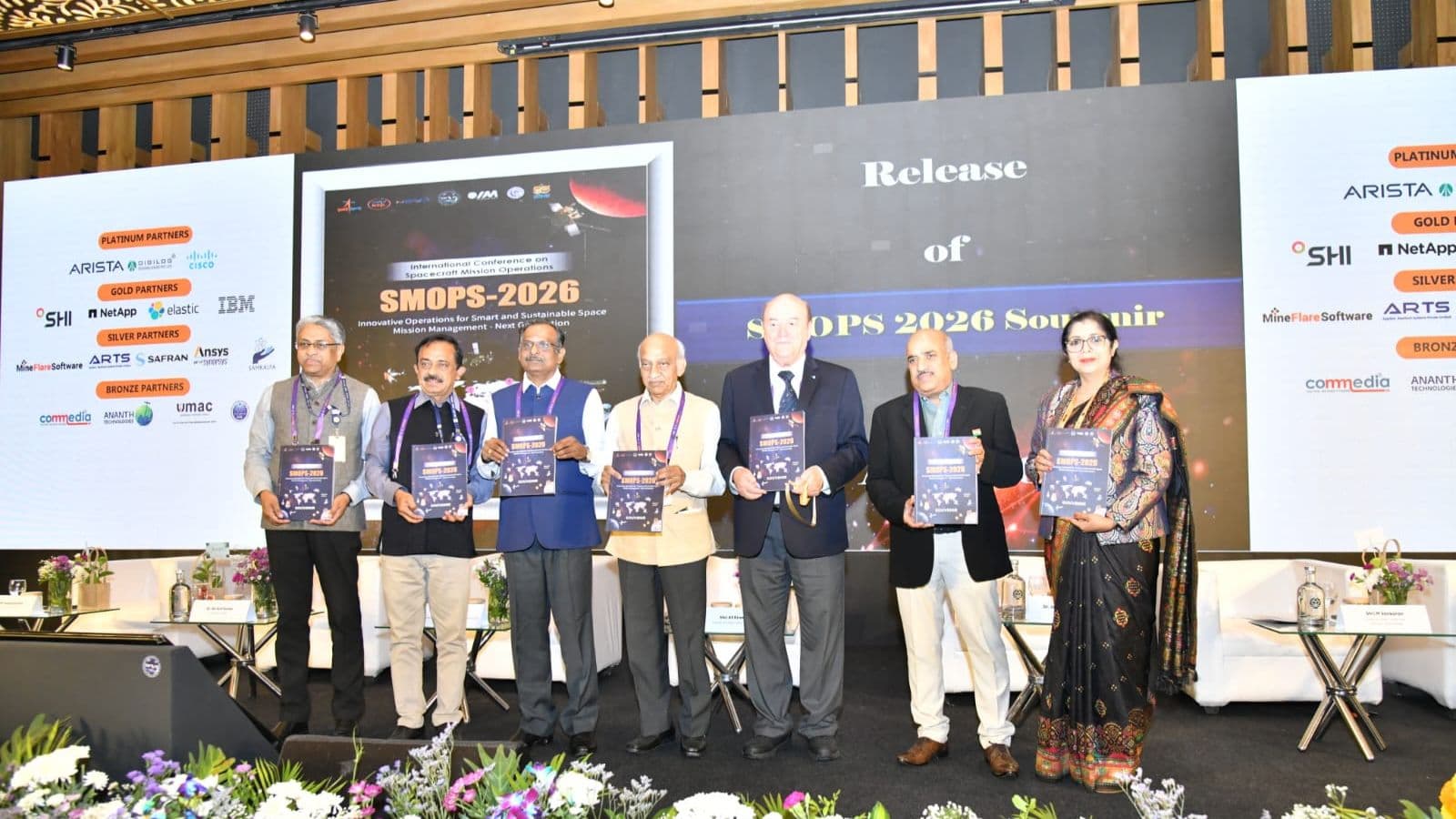
Image: Indian Express
ISRO Chairman Dr. V. Narayanan reveals how AI and machine learning are revolutionizing space missions, moving from theory to essential technology. Explore more!
GlipzoOn Wednesday, October 25, 2023, during the International Conference on Spacecraft Mission Operations (SMOPS) organized by the Indian Space Research Organisation (ISRO), Chairman Dr. V. Narayanan highlighted a significant shift in space technology. He stated that artificial intelligence (AI) and machine learning (ML) have evolved from being theoretical concepts to vital components in modern space missions. This evolution reflects the growing importance of advanced computing technologies in ensuring the success of space exploration initiatives.
"Ten to 15 years ago, AI and machine learning were largely theoretical subjects, but today they are essential for our operations," Dr. Narayanan noted. These technologies have become crucial for achieving more autonomous and efficient mission operations in tandem with human capabilities.
ISRO has already seen the practical benefits of AI and ML in its recent projects, particularly the successful Chandrayaan 3 mission, which achieved a soft landing on the moon on August 23, 2023. The lander utilized sophisticated sensors and cameras powered by AI to determine its speed and trajectory, enabling a safe descent. This achievement underscores the potential of AI to enhance mission reliability and effectiveness.
As ISRO prepares for its future missions, including the highly anticipated Gaganyaan program, which will mark India's first human spaceflight, the agency is reviewing recent challenges faced by its primary launch vehicle, the Polar Satellite Launch Vehicle (PSLV). The PSLV encountered two failures during the 2025-2026 launch schedule, prompting a thorough evaluation of its operations.
The theme of this year's SMOPS conference, "Innovative Operations for Smart and Sustainable Space Mission Management – Next Generation," reflects a forward-thinking approach in the industry. Discussions at the conference are expected to address a range of pivotal topics, including: - Mission design and automation - Large-constellation management - Human spaceflight missions - Space robotics - Space policy and lunar exploration
The conference gathered experts from prominent international space agencies, including the European Space Agency (ESA), NASA, and the Japan Aerospace Exploration Agency (JAXA). Their insights will contribute to shaping the future of space exploration, emphasizing the crucial role of collaborative efforts in advancing technology.
Dr. Narayanan emphasized the critical nature of mission operations, stating that while a launch vehicle may function for a mere 20 to 25 minutes, mission operations can extend for years, particularly for communication satellites, which may operate continuously for up to 15 years. This highlights the need for rigorous planning and execution in space missions, ensuring that they can respond to the dynamic challenges that arise.
As the space sector continues to evolve, the integration of AI and ML into mission operations is not just a technological upgrade; it signifies a paradigm shift that will influence how future missions are conducted. Dr. Narayanan noted that the involvement of the Spacecraft Mission Operations community is integral to the success of these initiatives.
The implications of AI and ML in space exploration extend beyond operational efficiency. They open new avenues for innovation and creativity in mission design and execution. As Dr. Narayanan pointed out, the successful use of these technologies in recent missions demonstrates their potential to revolutionize how we approach space challenges.
Looking ahead, the upcoming missions, including Gaganyaan and further lunar exploration initiatives, will benefit from the advancements in AI and ML. The ongoing collaboration among international space agencies will foster knowledge sharing and technological development, propelling humanity toward a new era of space discovery.
As the space community gathers to discuss these crucial topics, the world watches closely. The successes and challenges of the coming years will likely shape not only the future of space exploration but also the technological landscape on Earth. The integration of AI and ML into every aspect of these missions could lead to breakthroughs that we can only begin to imagine.
In conclusion, Dr. Narayanan's remarks serve as a reminder of the transformative power of technology in space missions. As ISRO and its partners push the boundaries of what is possible, the excitement surrounding space exploration continues to grow, drawing interest and investment from around the globe.
Stay tuned for further updates on ISRO's groundbreaking missions and their impact on global space exploration.
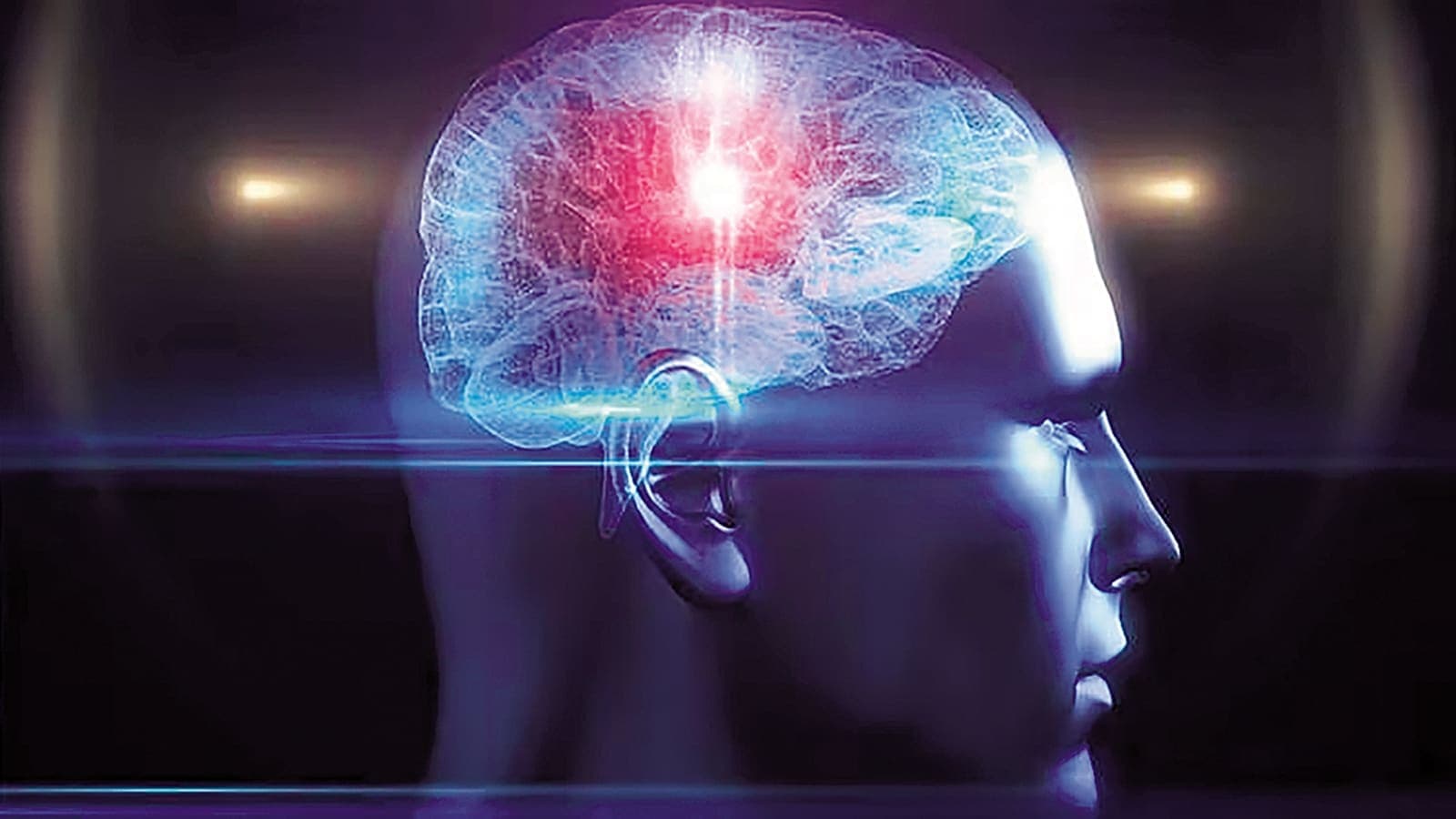
Discover how the brain protein Menin could be the key to halting cognitive decline with new research that uncovers its vital role in aging.
Indian Express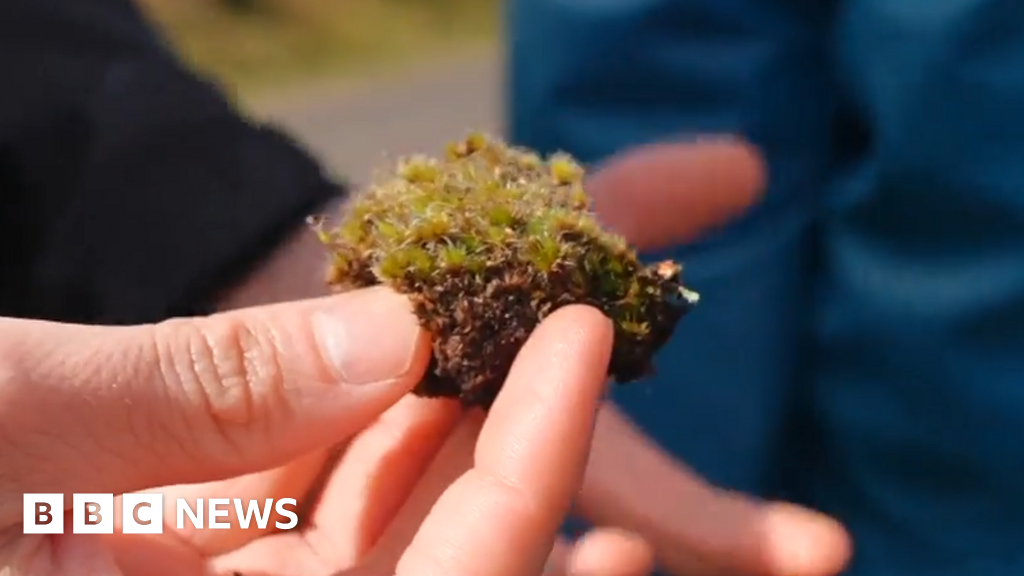
A new 'killer fungus' discovered in the UK targets invasive heath-star moss, offering hope for restoring native habitats. Will it turn the tide against invasives?
BBC Science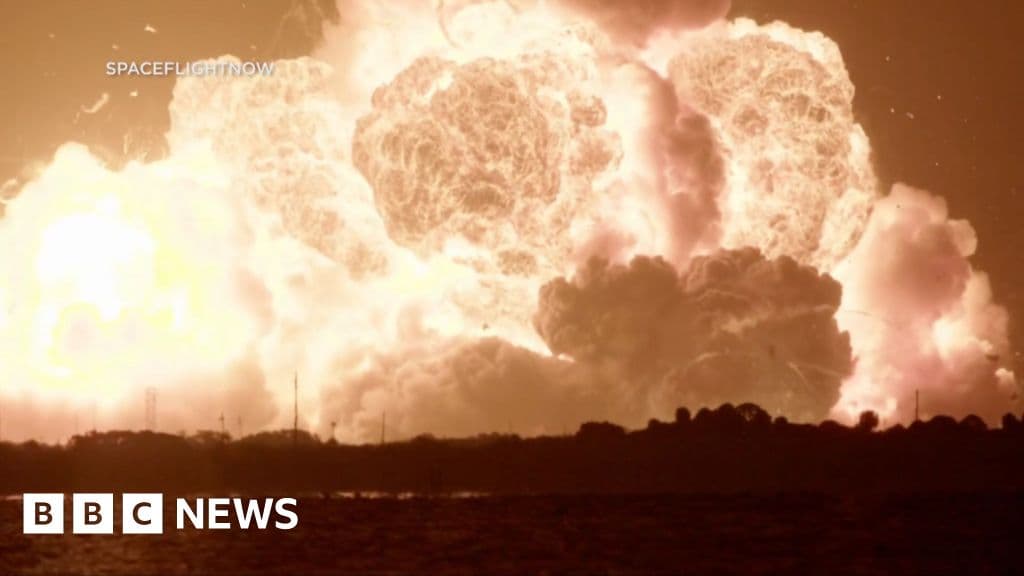
A Blue Origin rocket exploded during a test in Florida, prompting investigations. All personnel are safe. What does this mean for the future of space travel?
BBC Business