
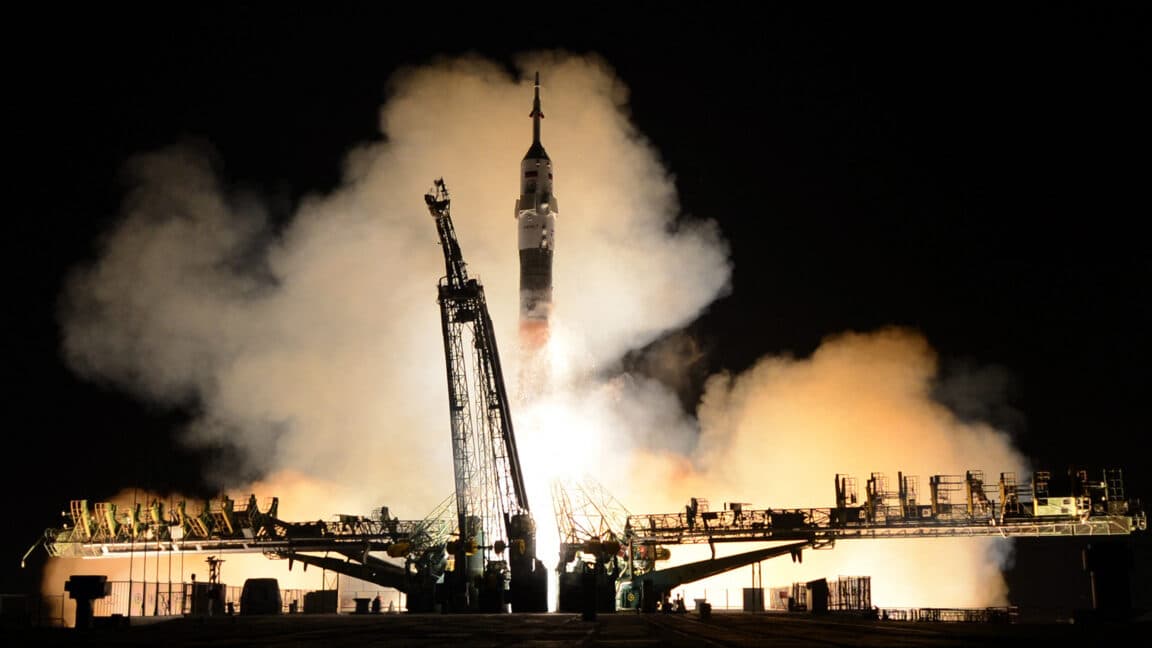
Image: Ars Technica
Join us as we celebrate a century of rocket launches and share unforgettable moments from space exploration history. Contribute your memorable experiences!
GlipzoOn March 16, 1926, a pivotal moment in aerospace history unfolded as Robert Goddard, a physicist hailing from Massachusetts, achieved a groundbreaking milestone by launching the world's first liquid-fueled rocket. Although this historic vehicle, dubbed "Nell," only ascended to a modest height of 41 feet and lasted a mere 2.5 seconds before crashing into the snow, it marked the inception of a new era in space exploration. This achievement laid the foundation for the eventual development of more advanced liquid-fueled rockets that would carry both instruments and humans into the cosmos.
Three decades after Goddard's maiden flight, the first objects soared into space atop liquid-fueled rockets, setting the stage for human spaceflight. Just over 40 years later, humanity would take its first steps on the Moon, a dream that began with Goddard's early experiments. As we reflect on this centennial milestone, staff members from Ars Technica have shared their personal memories of significant rocket launches, inviting readers to contribute their own experiences in the comments section.
One memorable launch shared by an Ars staffer took place during the STS-130 mission in February 2010. This mission was particularly special as it was instrumental in assembling the International Space Station (ISS), carrying crucial components such as Node 3 and the Cupola. The staffer attended the launch as a guest of their wife, who had worked on the Node 3 project at Boeing.
The day prior to the launch was filled with excitement and anticipation, featuring exclusive tours of notable locations at the Kennedy Space Center (KSC). The couple had the chance to see the impressive Crawler-Transporters up close, tour the Vehicle Assembly Building (VAB), and enjoy a team lunch with international partners, including a lively group of Italian engineers who brought along generous supplies of wine.
Despite the plans for an early morning launch on February 7, the event was postponed due to unfavorable weather conditions. After a long night of waiting and a frustrating return bus ride, the couple returned to the launch site the following day, hopeful for better luck.
On the morning of February 8, everything aligned perfectly for the launch. At 04:18 Eastern time, the Endeavour shuttle propelled itself into the sky with a breathtaking display of light and sound. The sight was mesmerizing; the rocket lifted off silently at first, followed by a spectacular roar that reverberated through the atmosphere. The ground shook beneath their feet, creating an indescribable sensation reminiscent of watching top-fuel dragsters in action.
As Endeavour ascended, it pierced through the low cloud cover, illuminating the early morning sky with brilliant light. The astronaut's ascent was not just a visual spectacle; it was an auditory experience as well. The unmistakable CRACKLE-CRACKLE-CRACKLE of the solid rocket boosters firing filled the air, a sound that resonated with an intensity unlike anything heard through a television screen.
The rocket soon became a distant star in the sky, shining brighter than Venus and twinkling as it moved further away. As they watched the shuttle's journey, the announcer called out the SRB separation, marking a significant moment in the launch process. However, as the crowd surged towards the buses for their return trip, the couple lingered in the moment, hand in hand, cherishing the shared experience.
Rocket launches are more than just technological marvels; they represent humanity's relentless pursuit of knowledge and exploration. Each successful launch builds upon the lessons of its predecessors, pushing the boundaries of what we thought was possible. The excitement surrounding launches like STS-130 not only fuels the imaginations of those witnessing them but also inspires future generations of scientists, engineers, and dreamers.
As we look back on the past century, it is crucial to acknowledge the significance of these moments in shaping our understanding of space travel. The pioneers like Goddard opened the door to a realm that was once thought to be unreachable, paving the way for advancements in technology, science, and international cooperation in space exploration.
As we celebrate the centenary of Goddard’s historic launch, the future of rocket launches appears brighter than ever. With numerous missions planned for both crewed and uncrewed flights, including the Artemis program aiming to return humans to the Moon and eventually reach Mars, the legacy of Goddard's work continues to inspire. The next generation of rockets will not only enhance our capabilities but also foster a deeper connection with the cosmos.
As the space industry evolves, it's vital to engage in discussions about the implications of these advancements on our planet and beyond. With each launch, we are reminded of the vast possibilities that lie ahead, inviting us to dream bigger and reach higher in our quest for discovery.
As we continue to witness the unfolding of this new chapter in space exploration, it is essential to stay informed and participate in conversations about our shared future among the stars.

Discover how the brain protein Menin could be the key to halting cognitive decline with new research that uncovers its vital role in aging.
Indian Express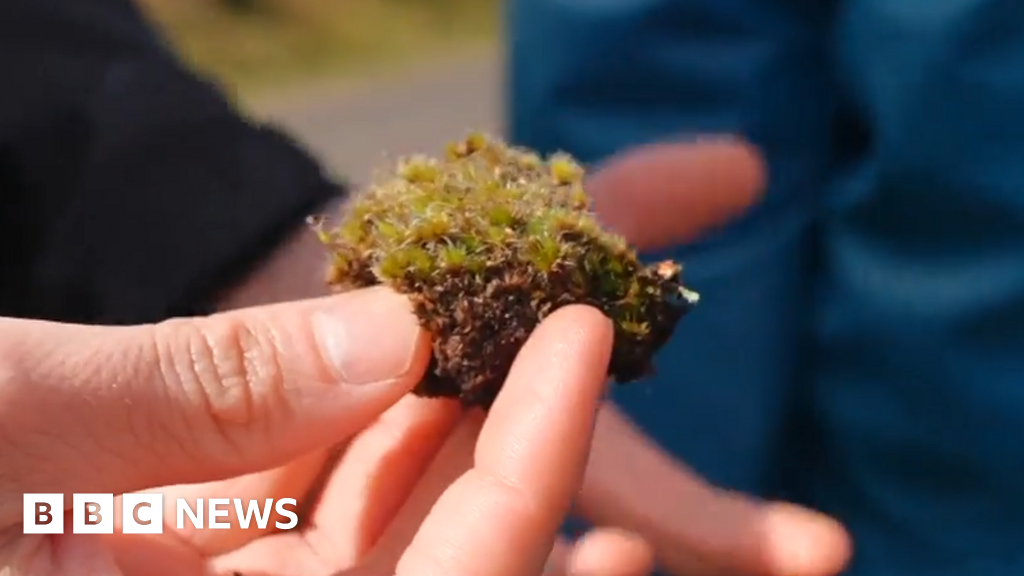
A new 'killer fungus' discovered in the UK targets invasive heath-star moss, offering hope for restoring native habitats. Will it turn the tide against invasives?
BBC Science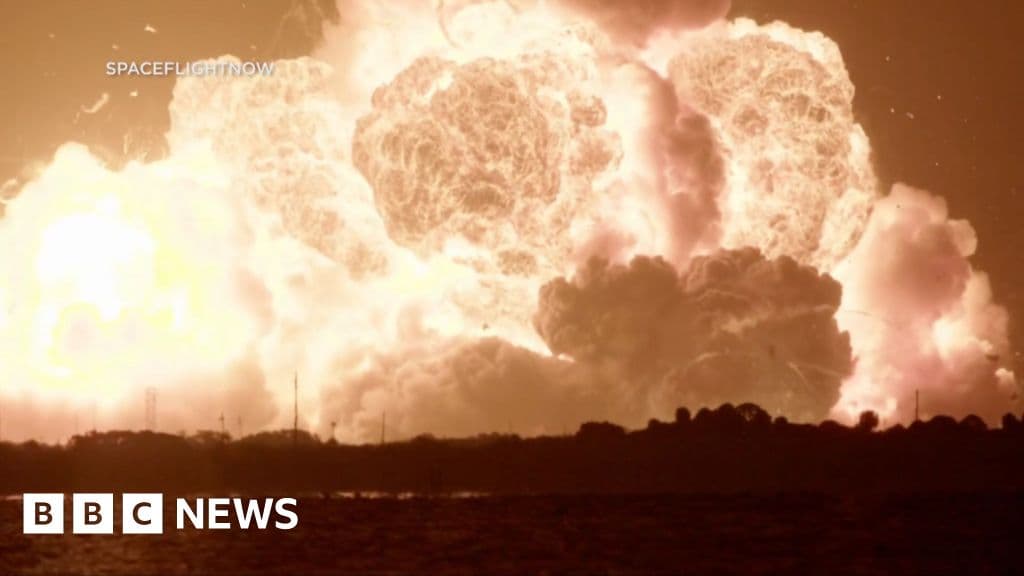
A Blue Origin rocket exploded during a test in Florida, prompting investigations. All personnel are safe. What does this mean for the future of space travel?
BBC Business