
Image: Ars Technica
Discover the legacy of Robert Goddard's first liquid-fueled rocket, launched 100 years ago, and its lasting impact on space exploration.
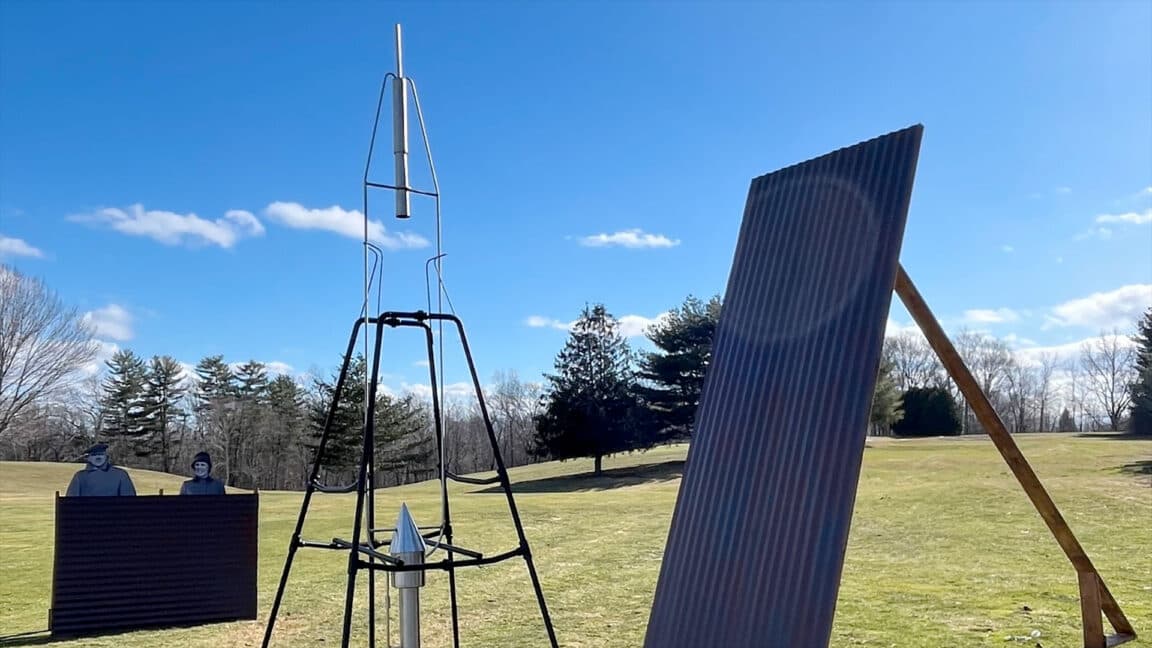
GlipzoOn March 16, 1926, a monumental event took place in a snowy field in Auburn, Massachusetts, when Robert Goddard successfully launched the world's first liquid-fueled rocket. This groundbreaking flight lasted just two seconds, yet its significance resonates to this day, shaping the future of space exploration. Goddard's pioneering work opened the door to liquid-fueled rockets, which provided the necessary sustainability and control for sending spacecraft and humans into orbit and beyond.
Kevin Schindler, author of Robert Goddard’s Massachusetts, remarked during a recent centennial event, "The rocket’s reach was short, but it marked the moment that humanity entered a new era. It proved that liquid fuel could lift a craft skyward—the essential breakthrough that would one day carry humans to the moon." This launch, although brief, was a pivotal moment in the trajectory of rocketry and space travel.
The rocket, affectionately nicknamed Nell, stood as a testament to Goddard's innovative spirit. Photographs from that historic day, preserved by Goddard's wife, Esther, serve as visual reminders of this remarkable achievement. Today, a monument commemorates the launch site, now situated on a golf course, where Nell once soared into the sky.
Countless replicas of the original rocket have been constructed over the years, some even capable of flight. However, as we reflect on a century since that first launch, questions linger about the original rocket's fate.
Thomas Hastings, whose father, Gerald Hastings, witnessed the launch as a child, recalled the excitement of that day. Gerald, along with friends, stumbled upon Goddard's team as they prepared for the launch. "Dad [later] commented that the scene felt very strange," Thomas shared. The boys were captivated as they watched Goddard and his crew assemble the rocket, ultimately leading to the groundbreaking launch.
Goddard documented the launch in his notebook, noting that the rocket initially rose 41 feet and traveled 184 feet in 2.5 seconds. "Even though the release was pulled, the rocket did not rise at first, but the flame came out, and there was a steady roar," he wrote, detailing how the rocket slowly ascended before speeding off at an extraordinary rate.
His description painted a picture of a moment that felt almost magical, as if the rocket had a mind of its own, declaring, "I think I’ll be going somewhere else, if you don’t mind."
Nell, named after a character from a contemporary play, saw its journey end abruptly as it broke apart upon landing. Gerald Hastings vividly remembered the scene, describing how he and his friends witnessed Goddard and his team scrambling through the snow to retrieve the remains of the rocket. Esther captured this moment in photographs, preserving the memory of Goddard's first successful launch.
Despite the historic significance of the launch, Goddard did not treat the remnants of Nell as historical artifacts. As noted by Michael Neufeld, a former senior curator at the Smithsonian National Air and Space Museum, Goddard was more focused on his scientific pursuits than on preserving the past. "He didn’t preserve it as a sacred object; he didn’t have a lot of money at that point and reused everything he could," Neufeld explained.
This lack of preservation has led to speculation about the original rocket's final resting place. While many replicas exist, the true remnants of Nell are lost in history, a poignant reminder of the challenges faced by early pioneers in rocketry.
The legacy of Robert Goddard and his liquid-fueled rocket is critical to understanding the evolution of space travel. His work laid the groundwork for future advancements in rocketry, leading to successful missions to the moon and beyond. The principles of liquid propulsion that Goddard championed are still in use today, underpinning modern spacecraft.
As we celebrate the centennial of this historic event, it's essential to recognize how far humanity has come since that fateful day in 1926. Goddard’s innovations have paved the way for space exploration, science, and technology, inspiring generations of scientists and engineers.
As we look to the future of rocketry, the advancements in technology and our understanding of propulsion continue to evolve. The exploration of Mars, lunar missions, and the potential for human settlement beyond Earth all hinge on the foundational work of pioneers like Goddard.
In the coming years, we can expect to see exciting developments in space travel that build upon Goddard's legacy. The focus on sustainable and efficient rocket technology will be crucial as we aim for deeper space exploration. The quest for knowledge and innovation in aerospace engineering is ongoing, and as we honor Robert Goddard's contributions, we eagerly anticipate what the next century of space exploration will bring.

Discover how the brain protein Menin could be the key to halting cognitive decline with new research that uncovers its vital role in aging.
Indian Express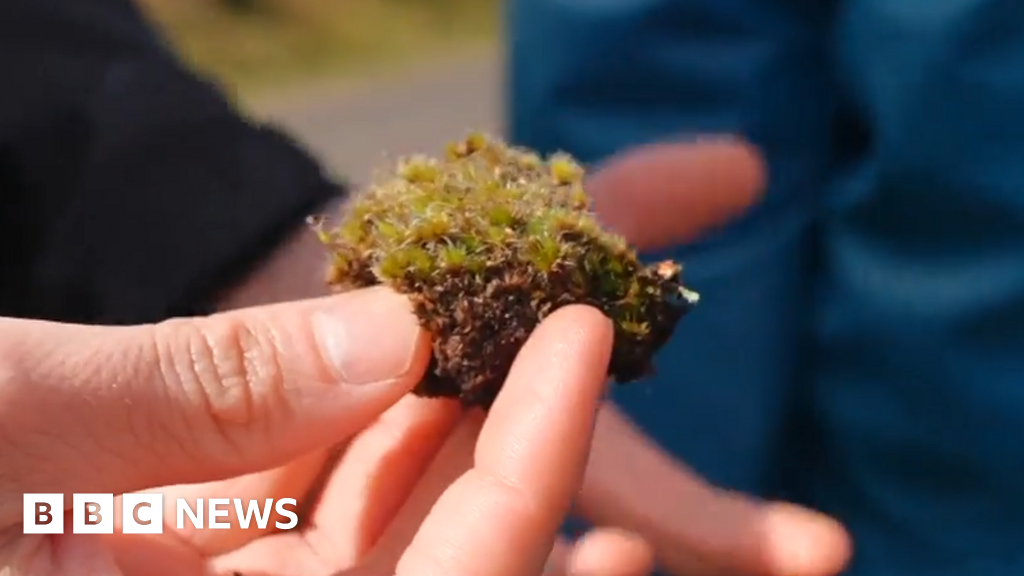
A new 'killer fungus' discovered in the UK targets invasive heath-star moss, offering hope for restoring native habitats. Will it turn the tide against invasives?
BBC Science
A Blue Origin rocket exploded during a test in Florida, prompting investigations. All personnel are safe. What does this mean for the future of space travel?
BBC Business