
Image: BBC World
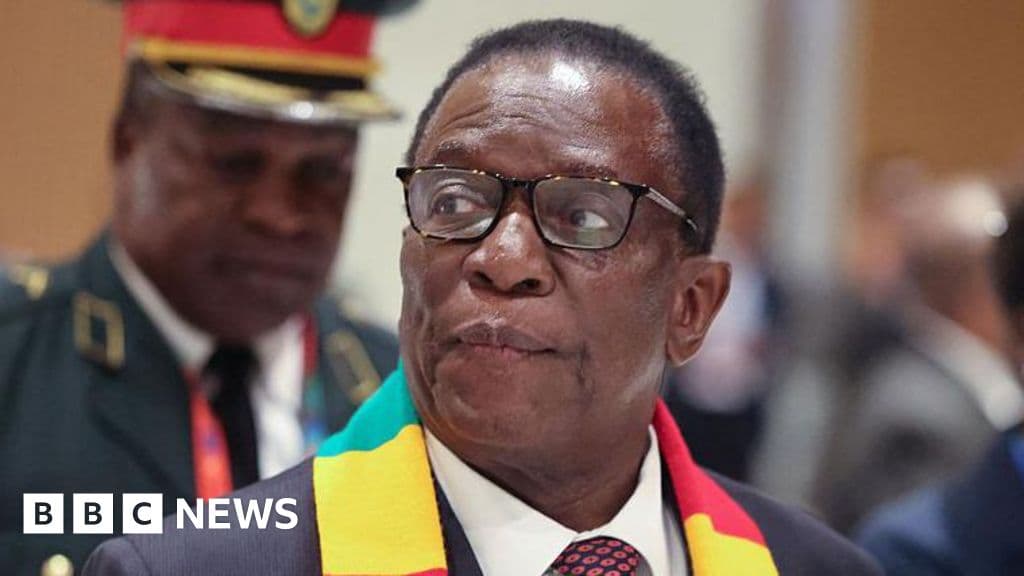
Zimbabwe's ruling party moves to abolish presidential elections, igniting fears of a power grab. What does this mean for the country's democracy?
GlipzoConcerns are escalating among opposition factions in Zimbabwe as the ruling Zanu-PF party pushes forward with constitutional amendments that could reshape the political landscape. These proposed changes would grant Parliament the authority to elect the president, moving away from a popular vote, and extend the presidential term from five to seven years. This controversial move has ignited fierce debate across the nation, raising alarms about potential power grabs by the ruling party.
Veteran opposition figure and former finance minister Tendai Biti voiced his apprehensions, stating to the BBC, "This is a coup, a slow coup that is unfolding in Zimbabwe." His remarks reflect a growing belief that the amendments are designed to consolidate power within Zanu-PF, which has maintained control since the country’s independence in 1980.
The proposed constitutional amendments have led to a significant divide between supporters of Zanu-PF and opposition groups. The party has defended its position, arguing that the changes could lead to a less costly and less controversial electoral system. Patrick Chinamasa, a spokesperson for Zanu-PF, asserted, "There's nothing that stops us to change, to go to another system that's less costly, less controversial."
Recent public hearings held in Harare showcased the polarized views of citizens regarding these amendments. Thousands flocked to a sports arena where attendees expressed their opinions, with many advocating for President Emmerson Mnangagwa to remain in power beyond 2028. Supporters called for term limits to be extended and for Members of Parliament to elect the president, arguing that it would stabilize governance in Zimbabwe.
However, the hearings were marred by allegations of violence and intimidation, a common theme in Zimbabwean politics. Scenes of chaos erupted when critics of the proposed bill attempted to voice their dissent, leading to physical confrontations and accusations of harassment against journalists. Opposition leader Fadzayi Mahere condemned the turmoil, asserting that Zanu-PF supporters orchestrated the disruptions to silence dissenting opinions.
Chinamasa refuted these claims, stating, "What reason do we have as Zanu-PF to be violent when the masses are behind us?" He accused the opposition of failing to accept their dwindling support.
The backdrop of increasing repression has heightened tensions further, with opposition groups noting that police have banned numerous meetings leading up to these public hearings. Lovemore Madhuku, leader of the National Constitutional Assembly, recounted being attacked by masked assailants while police stood by. Biti, currently out on bail, faces charges for allegedly conducting an unauthorized public meeting, underscoring the risks opposition leaders face in expressing their views.
As Parliament is poised to pass the bill in the coming weeks, many observers see this as a culmination of a campaign that began in 2024. Supporters of Mnangagwa have been rallying around the slogan “2030 - he will still be the leader,” reflecting their commitment to maintaining his presidency.
Critics fear that these amendments could lead to the establishment of an “imperial presidency,” reminiscent of the oppressive era under former ruler Robert Mugabe. The 2013 constitution, which limited presidential terms and aimed to prevent the concentration of power, now seems under threat.
Chinamasa defended the proposed changes, asserting that the violence often associated with popular elections is a global issue, not unique to Zimbabwe. He argued that altering the electoral process could mitigate the disputes and unrest commonly triggered by elections.
The implications of these constitutional changes are profound. If enacted, they could significantly alter the political fabric of Zimbabwe, potentially entrenching Zanu-PF’s dominance while limiting democratic participation. The opposition’s fears of a return to authoritarian rule echo the sentiments of many citizens who have longed for a more democratic and transparent government.
As Zimbabwe approaches this critical juncture, it remains to be seen how these amendments will impact the nation’s political stability and public sentiment. Observers will be closely monitoring the actions of both the government and opposition as this situation unfolds, particularly in light of the upcoming 2028 elections. Will the changes facilitate a smoother political process, or will they further entrench divisions and unrest? Only time will tell.
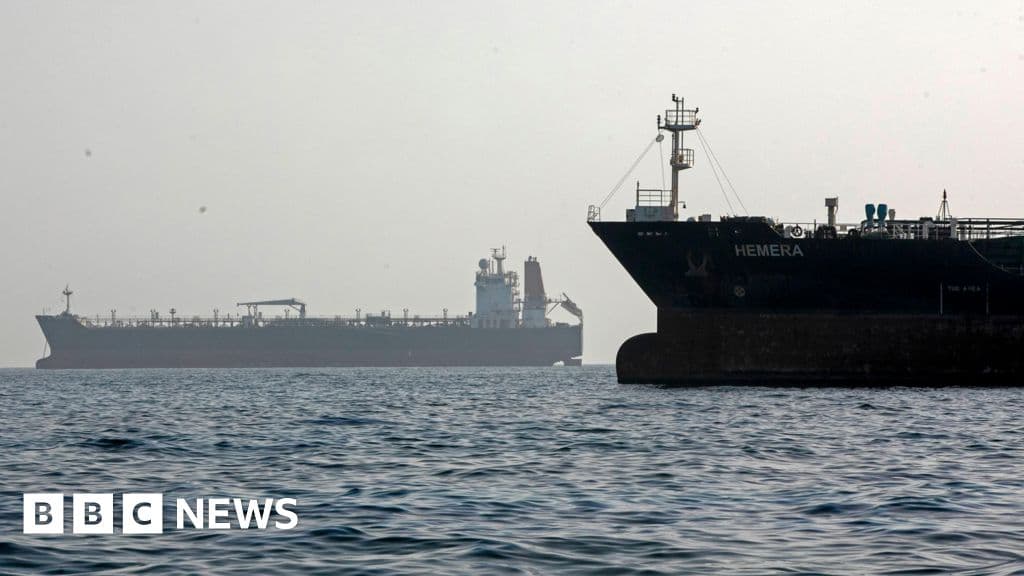
Tensions soar as the US and Iran engage in air strikes near the Strait of Hormuz, raising concerns over global oil supply and regional stability.
BBC World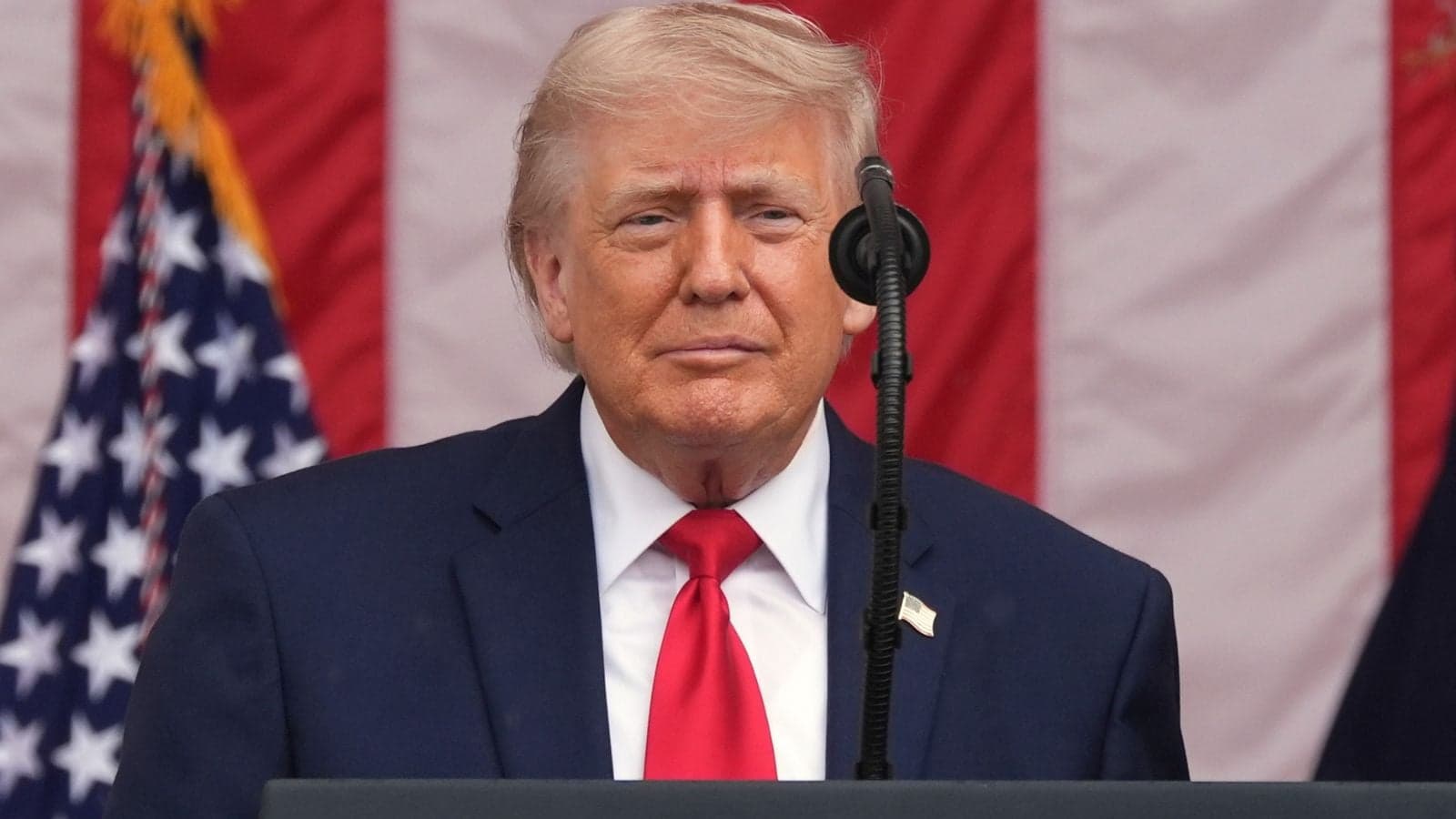
Trump's international interventions face serious stalemates. What will this mean for U.S. foreign policy? Explore the critical challenges ahead.
Indian Express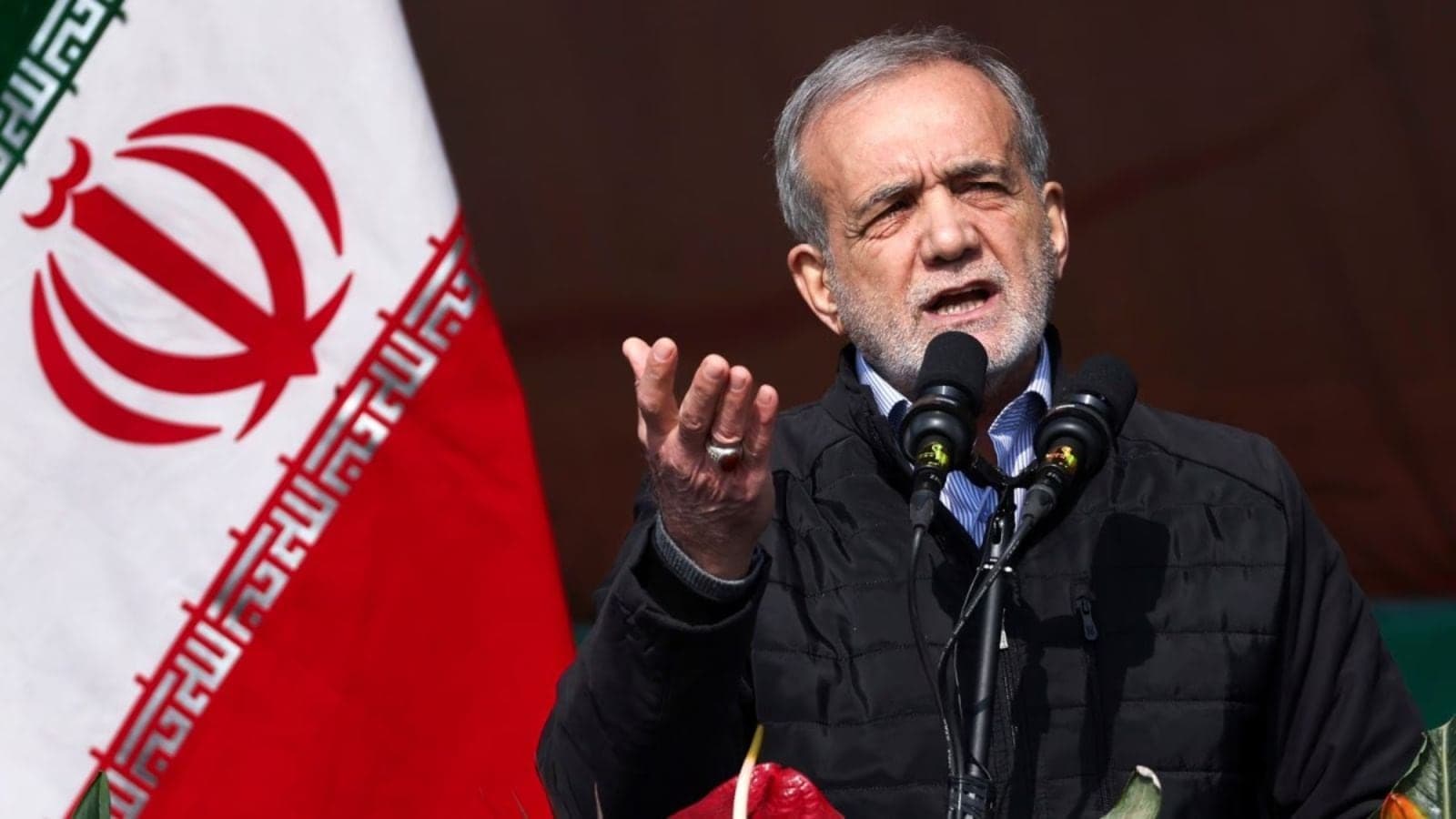
Tehran denies resignation of President Masoud Pezeshkian amid claims of IRGC influence. What does this mean for Iran's political stability? Click to learn more!
Indian Express