
Image: BBC World
Uncovered evidence reveals Greek police allegedly recruiting migrants to push others back to Turkey, raising serious human rights concerns.
GlipzoRecent investigations reveal troubling practices employed by Greek authorities regarding migrants at the border with Turkey. Reports indicate that police have allegedly been using masked migrants to forcibly push back others trying to enter Greece. This shocking strategy raises numerous legal and ethical questions about the treatment of individuals seeking refuge.
In a joint investigation by the BBC and the Consolidated Rescue Group (CRG), evidence has surfaced suggesting that these pushbacks have been orchestrated by senior police officials. Internal documents reportedly describe the recruitment of so-called mercenaries, who are themselves migrants from countries like Pakistan, Syria, and Afghanistan. The findings point to a disturbing culture of brutality, with numerous witnesses recounting instances of abuse, including theft, physical violence, and even sexual assault.
The Greek Prime Minister, when approached by the BBC, stated he was “totally unaware” of these allegations. Furthermore, the Greek authorities have not provided any responses to detailed inquiries regarding these serious claims. The implications of this situation are grave, especially considering that pushbacks contravene international law, which mandates that migrants and asylum seekers are entitled to fair treatment.
Pushbacks are generally recognized as illegal under international law, which requires that all migrants have the right to seek asylum and receive due process. Allegations of such actions by Greek officials have previously been reported, including claims of masked individuals engaging in these practices as early as 2022. Organizations like Lighthouse Reports have shed light on these troubling occurrences, but the scale and systematic nature of the allegations have only recently come to public attention.
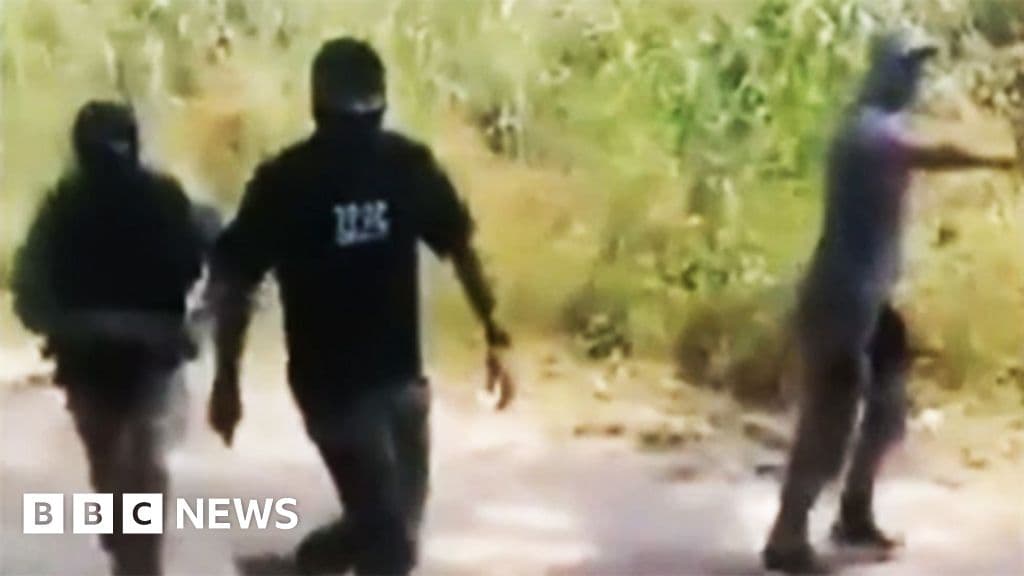
The investigation began last autumn when disturbing footage was presented to the BBC, allegedly showing migrants being mistreated by these mercenaries. Although the authenticity of the video has not been independently verified, it aligns with numerous accounts collected from various independent sources, leading to a broader inquiry into the situation.
The Evros River marks a critical boundary between Greece and Turkey, extending approximately 200 kilometers (124 miles). This area has become a focal point for migrant crossings, with over one million arrivals reported since 2015, primarily through dangerous sea routes and along this land border. The river’s border zone is heavily militarized, filled with watchtowers and patrolled by police and border agents.
A police insider revealed that these mercenaries might push back hundreds of migrants each week, a practice that many within the local law enforcement community are aware of. The source emphasized, “There is no soldier or officer who does not know that pushbacks are taking place,” suggesting a widespread complicity among those tasked with upholding the law.
The mercenaries, often desperate migrants themselves, are reportedly incentivized to conduct these pushbacks through cash rewards and loot taken from their fellow migrants. They are sometimes provided with documentation that facilitates their own passage through Greece, raising serious questions about the ethics of this recruitment process.
On June 22, 2023, a notable incident was recorded in which a group of migrants seeking asylum were ambushed by these masked individuals. A report by the Fundamental Rights Office indicated that between 10 and 20 migrants were acting under Greek officers’ directives during this event. The report detailed instances of physical abuse, threats of violence, and the unlawful transportation of these individuals back to Turkey, all of which violate EU human rights laws.
The official Greek response has been to deny the presence of these migrants in the area on that specific day, which contradicts the findings of the Fundamental Rights Office and other independent investigations. This trend of denying allegations of abuse raises further concerns about accountability and transparency within the Greek authorities.
The implications of these findings are profound. As noted by Maria Gavouneli, president of the Greek National Commission for Human Rights (GNCHR), the evidence suggests a potential “extremely significant” abuse of human rights. The commission has documented over 100 cases of alleged forced returns in the Evros region since 2020. These incidents highlight a troubling pattern of behavior that undermines Greece's commitments to international human rights standards.
The situation is poised for further scrutiny, both from domestic and international watchdogs. As more details emerge, including potential legal ramifications for those involved in the orchestrated pushbacks, the pressure is mounting on the Greek government to respond adequately to these allegations. Human rights organizations and advocacy groups are likely to increase their calls for investigations and accountability.
As the investigation continues, key developments to monitor include responses from Greek authorities, international reactions, and potential policy changes regarding migrant treatment and border control. The future of migrants seeking safety in Greece hangs in the balance, and it remains to be seen how the government will address these serious allegations of human rights abuses. Ongoing advocacy and media attention will be crucial in holding officials accountable and ensuring that the rights of all individuals, especially the most vulnerable, are upheld.
The situation represents a critical moment for Europe as it grapples with the complexities of migration and asylum in a changing geopolitical landscape. With heightened scrutiny and the demand for accountability, the coming months will be pivotal in shaping the future of migrant rights and border policies in Greece and beyond.

Tensions soar as the US and Iran engage in air strikes near the Strait of Hormuz, raising concerns over global oil supply and regional stability.
BBC World
Trump's international interventions face serious stalemates. What will this mean for U.S. foreign policy? Explore the critical challenges ahead.
Indian Express
Tehran denies resignation of President Masoud Pezeshkian amid claims of IRGC influence. What does this mean for Iran's political stability? Click to learn more!
Indian Express