
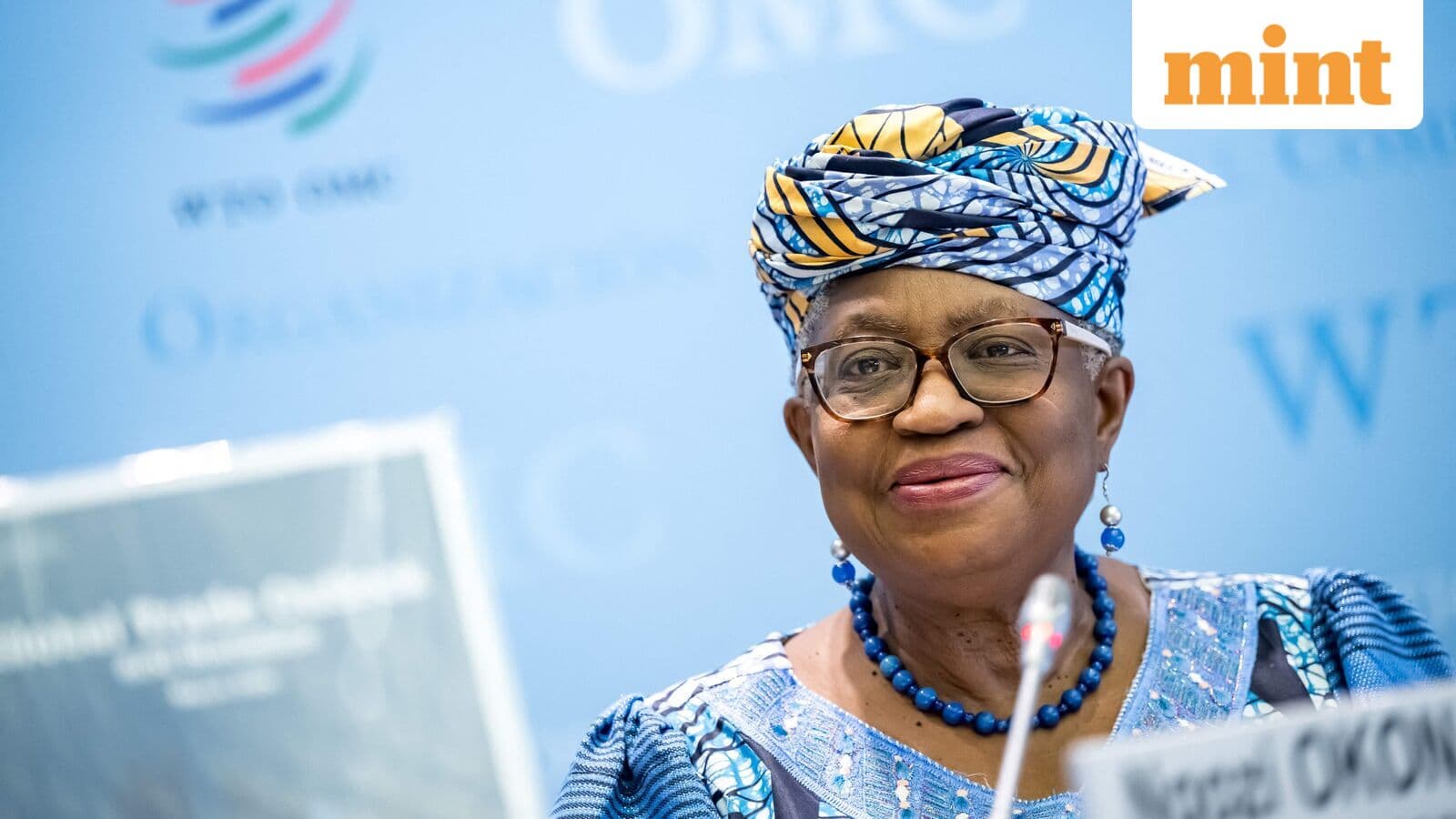
Image: Mint (Business)
The WTO warns that the ongoing West Asia conflict and rising energy prices are set to drastically slow global trade growth through 2026. Discover the implications.
GlipzoAs tensions escalate in the region, the WTO has forecasted that the world merchandise trade volume growth will drop from an unexpected 4.6% in 2025 to just 1.9% this year. While a modest recovery to 2.6% is anticipated in 2027, the risks posed by geopolitical instability cannot be ignored.
In a pessimistic scenario, if energy prices remain high due to ongoing conflicts, trade growth could plummet to 1.4% in 2026, a stark contrast to the 4.7% growth seen in 2025. This slowdown is mainly attributed to demand for AI-related goods and resilient consumer spending in emerging markets, which had previously outpaced global GDP growth, projected at 2.9%.
Given the current geopolitical climate, the WTO has observed a significant decline in maritime traffic through key shipping routes, emphasizing the critical nature of the supply shock.
Ajay Srivastava, founder of the Global Trade Research Initiative (GTRI), points out an important consideration: while the WTO's projections focus on volume, the value of trade—affected by price fluctuations in energy, technology, and shipping—must also be taken into account. “Global trade is ultimately measured in value, and price movements—especially in energy, technology, and shipping—now play an equally important role,” he stated.
For countries like India, which relies heavily on the Gulf for its fertilizer imports (around 40% of its urea imports originate from this region), the risks are immediate and profound. Srivastava noted, “For India, the risks are immediate—heavy reliance on Gulf fertilizers and exposure to oil and shipping disruptions via the Strait of Hormuz. At the same time, India remains a bright spot in services, with rising export orders.”
The Middle East's position as a global transit hub means that services could suffer more acutely than goods, as the region's instability disrupts established networks.
Higher energy costs pose additional challenges, potentially leading to increased inflation and delaying monetary easing in various economies, further dampening demand.
As Abhash Kumar, a trade expert and assistant professor of economics at Delhi University, explains, “A prolonged phase of high energy prices could slow the pace of recovery in global demand. Much will depend on how supply chains stabilize in West Asia.”
As we look ahead, monitoring developments in West Asia will be crucial. Policymakers, businesses, and consumers alike must prepare for a landscape shaped increasingly by geopolitical factors rather than purely economic ones. The implications for trade values, food security, and overall economic stability could be profound, making it essential to stay informed and agile in response to these evolving challenges.
In conclusion, while the WTO's outlook presents a grim picture for global trade growth in the coming years, it also highlights the need for adaptability and foresight in a rapidly changing world.
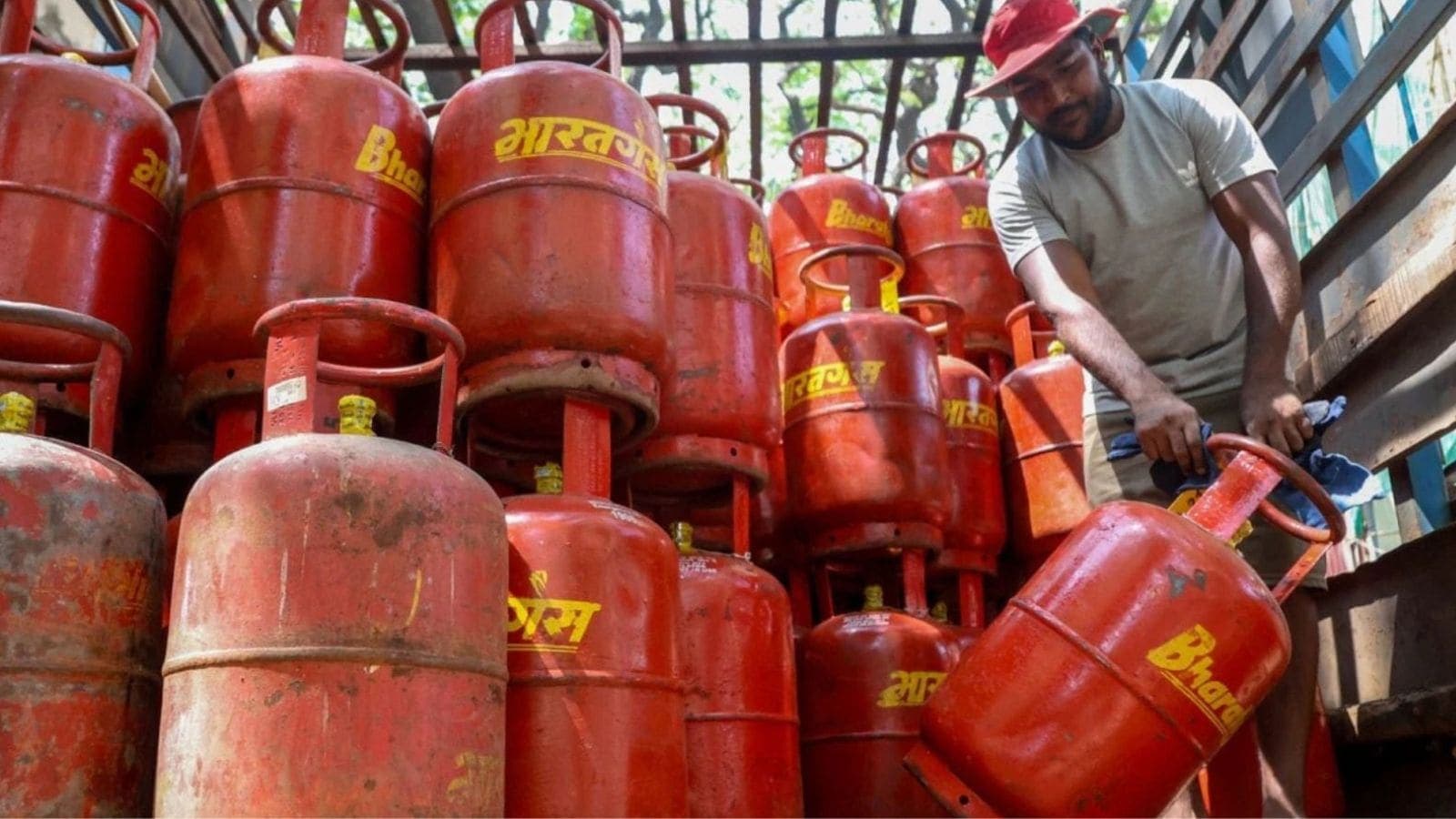
Commercial LPG prices have risen again, with increases of ₹42 in Delhi and ₹53.50 in Kolkata impacting businesses and consumers alike. Find out more.
Indian Express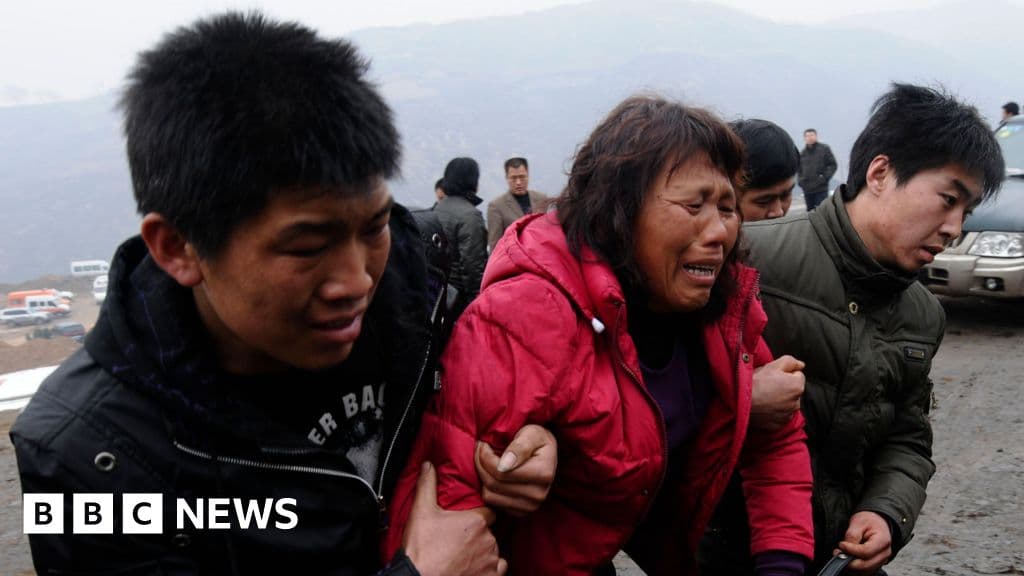
Discover how a tragic coal mine explosion in Shanxi, China, reveals ongoing safety concerns in the industry amidst a push for green energy.
BBC Business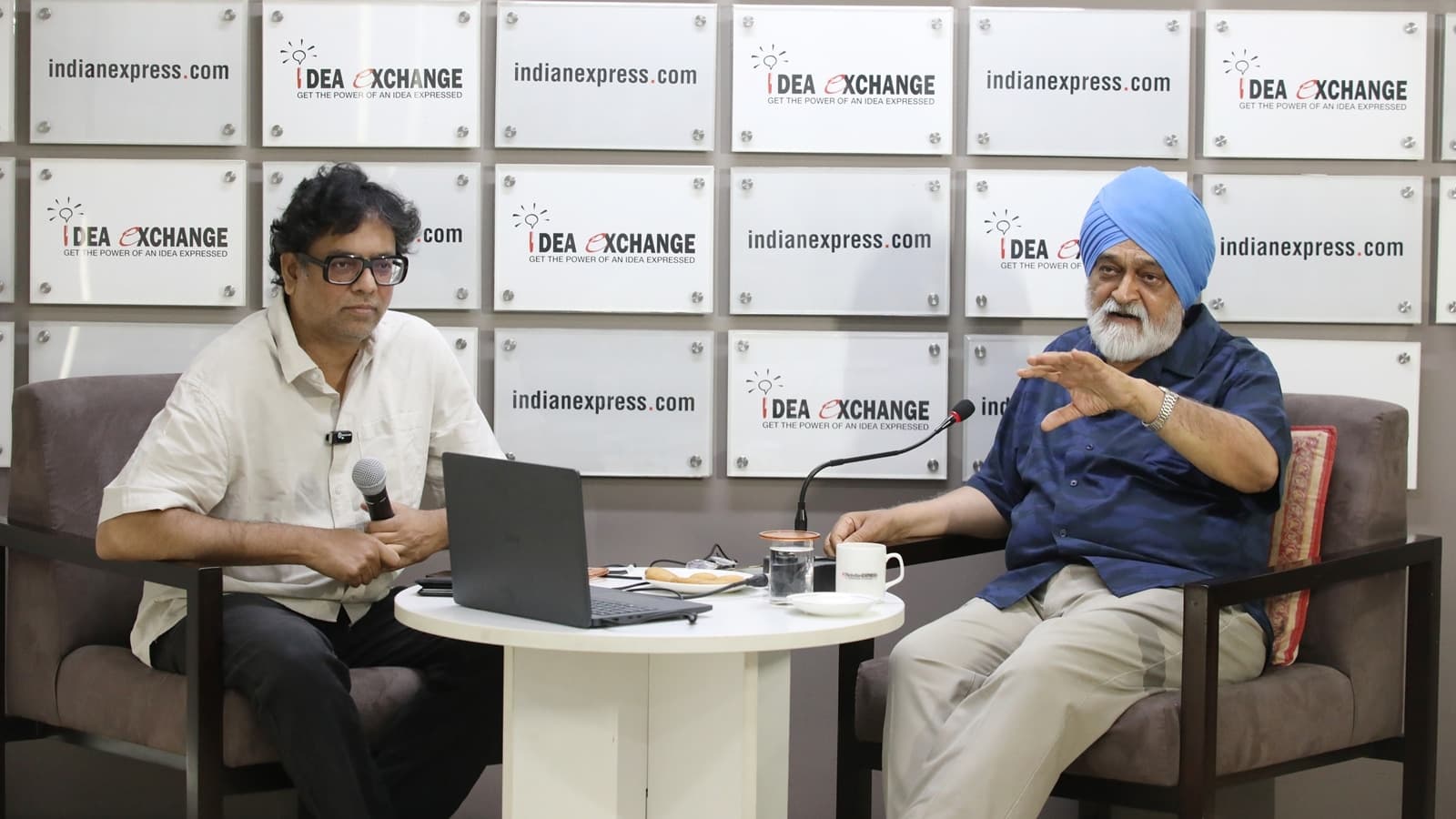
Montek Singh Ahluwalia highlights key economic challenges for India, emphasizing the need for a strategic approach to balance payments and investment.
Indian Express