
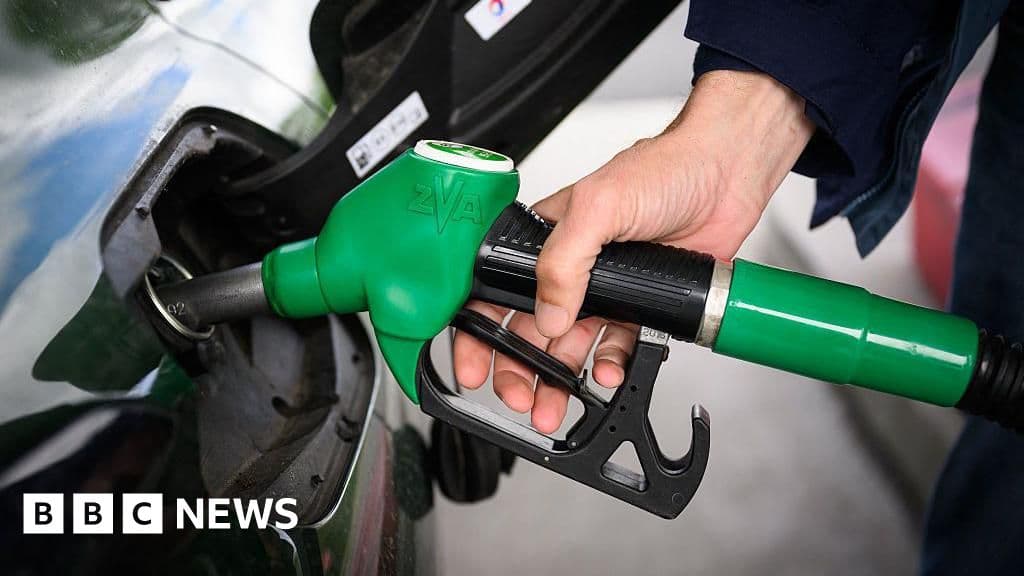
Image: BBC Business
Oil prices soar as tensions rise between the US and Iran over the Strait of Hormuz. What does this mean for global energy markets? Click to find out!
GlipzoIn a dramatic shift in the global oil market, oil prices surged on Monday morning in Asia, driven by escalating tensions between the United States and Iran concerning the critical Strait of Hormuz. This vital waterway, responsible for transporting approximately 20% of the world’s oil and liquefied natural gas (LNG), has become a focal point of geopolitical conflict, influencing energy prices worldwide.
As trading commenced, Brent crude futures soared by 6.4%, reaching $96.13 (£71.27), while West Texas Intermediate (WTI) saw an even steeper rise of 7.5%, climbing to $90.15. This significant uptick comes on the heels of a volatile week in energy markets, where prices plummeted on Friday following Tehran's announcement that the Strait would remain open to commercial shipping during a ceasefire period.
The oil market has been characterized by extreme fluctuations since the U.S. and Israeli forces launched an attack on Iran on February 28. Iran’s swift response, which included threats to target shipping within the Strait of Hormuz, has heightened concerns among traders and analysts about potential supply disruptions.
The recent developments have led to a cautious atmosphere in the energy sector, with investors keenly watching for further escalations. Here’s a summary of the recent events affecting oil prices:
These fluctuations are not merely a reflection of market sentiment but also underscore the critical role of the Strait of Hormuz in global energy logistics. Disruptions in this region can lead to substantial economic fallout, affecting not only oil prices but also the broader financial markets.
As tensions mount, U.S. President Donald Trump announced on Sunday that American forces had intercepted and seized an Iranian-flagged cargo ship attempting to breach the blockade imposed on Iran’s ports. This military action is a clear signal of the U.S. commitment to maintaining pressure on Tehran amid rising hostilities.
In a parallel diplomatic effort, Trump revealed that U.S. representatives would be heading to Pakistan on Monday for negotiations aimed at de-escalating the situation. The delegation, led by Vice-President JD Vance, aims to address the ongoing tensions and explore potential avenues for peace. However, the response from Iran has been less than encouraging.
Iranian state media reported that the nation currently has “no plans to participate” in the negotiations, although officials have not fully clarified their stance. This lack of engagement raises concerns about the potential for further military confrontations and their implications for global oil supply and prices.
The situation in the Strait of Hormuz is critical for several reasons: - Energy Supply Security: Any disruption in this waterway could lead to significant increases in oil prices, affecting consumers and industries worldwide. - Geopolitical Stability: The conflict between the U.S. and Iran has broader implications for Middle Eastern stability, potentially drawing in other nations into the fray. - Market Volatility: Investors are likely to experience increased volatility in energy stocks and commodities as tensions shift.
With oil prices already on the rise, the global market is on high alert for any further developments. Analysts predict that continued military and diplomatic maneuvers could lead to even greater price fluctuations in the coming weeks.
As we look ahead, several crucial factors will determine the direction of oil prices and geopolitical stability in the region: - Diplomatic Engagement: Will Iran reconsider its position on negotiations? The outcome of talks could either ease tensions or exacerbate them. - Military Actions: Any further military engagement by the U.S. or its allies could lead to immediate repercussions in oil supply. - Global Economic Impact: How will rising oil prices affect global economies already grappling with inflation and supply chain issues?
In conclusion, the situation in the Strait of Hormuz remains fluid, with potential ramifications for oil prices and global economic stability. Stakeholders, including governments and investors, must remain vigilant as new developments unfold in this critical region.
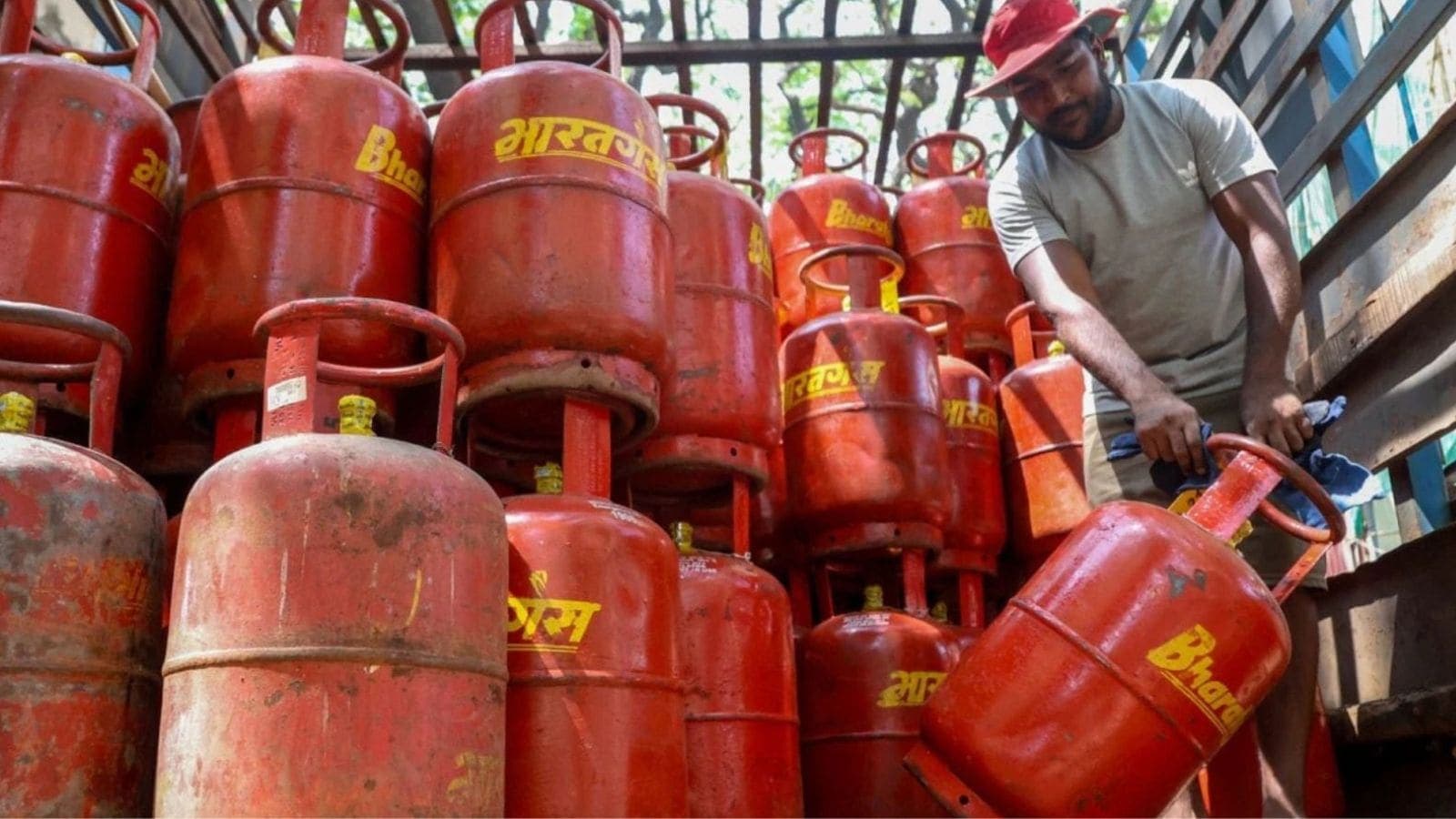
Commercial LPG prices have risen again, with increases of ₹42 in Delhi and ₹53.50 in Kolkata impacting businesses and consumers alike. Find out more.
Indian Express
Discover how a tragic coal mine explosion in Shanxi, China, reveals ongoing safety concerns in the industry amidst a push for green energy.
BBC Business
Montek Singh Ahluwalia highlights key economic challenges for India, emphasizing the need for a strategic approach to balance payments and investment.
Indian Express