

Image: The Hindu
Discover how the World Happiness Report 2026 reveals a link between social media use and declining happiness among youth. Learn what this means for the future.
GlipzoOn March 19, 2026, the release of the World Happiness Report 2026 has sparked conversations regarding the connection between social media usage and the mental wellbeing of young people. According to the report, which was published ahead of the UN's International Day of Happiness, heavy social media engagement is linked to declining happiness levels, particularly among youth in English-speaking nations and parts of Western Europe, with a notable impact on girls.
The report, produced by the Wellbeing Research Centre at the University of Oxford in collaboration with Gallup, the UN Sustainable Development Solutions Network, and an independent editorial board, highlights alarming trends in youth happiness. The findings suggest that the average life evaluation for individuals under 25 in countries like the United States, Canada, Australia, and New Zealand has plummeted by nearly one point on a 0 to 10 scale over the last decade, while the overall youth satisfaction in other regions of the world has been on the rise.
A deeper look into the Programme for International Student Assessment (PISA) data, which surveyed 15-year-olds across 47 countries (excluding the aforementioned English-speaking nations), reveals a critical relationship between social media use and life satisfaction. The data indicates:
The report also sheds light on regional differences, particularly in Latin America, where the type of social media platform significantly affects wellbeing. Platforms that foster genuine social connections tend to correlate with increased happiness, while those that rely on algorithm-driven content often lead to lower satisfaction, especially for heavy users.
According to the findings, adolescents who limit their social media use to less than one hour daily report the highest levels of wellbeing—higher even than those who do not use social media at all. However, on average, young people are currently spending around 2.5 hours each day on these platforms. This stark contrast underscores the need for moderation in social media habits among youth.
The report emphasizes that while the internet can be a valuable tool for communication and education, excessive use, particularly of social media, is detrimental to mental health. This is especially true for girls, who are experiencing more pronounced effects from heavy social media engagement.
This year's report also features a ranking of the happiest countries worldwide. The Nordic nations continue to dominate this list, with Finland securing the top position for an unprecedented ninth consecutive year. Finns rated their lives with an average score of 7.764 out of 10, followed closely by Iceland and Denmark. Notably, Costa Rica climbed to fourth place, marking its highest ranking ever among Latin American countries.
Other countries making significant strides include Switzerland, which re-entered the top 10 after a brief absence, along with Kosovo, Slovenia, and Czechia, all of which showed improvement in their standings.
In a surprising twist, none of the English-speaking countries made it to the top 10 for the first time since the report's inception in 2012. Countries like New Zealand (11th), Ireland (13th), Australia (15th), United States (23rd), Canada (25th), and United Kingdom (29th) have seen significant drops in their happiness scores, with only half of them remaining in the top 20.
The decline in happiness among young people, particularly in English-speaking countries, raises critical questions about the role of social media in shaping mental health and wellbeing. The data suggests that while social media has the potential to connect individuals, it also harbors risks that can lead to decreased life satisfaction. This highlights the importance of promoting digital literacy and encouraging healthier online habits among youth.
As we move forward, it will be essential to monitor the ongoing trends in social media usage and its effects on mental health. Educators, parents, and policymakers must collaborate to create strategies and resources that promote a balanced approach to technology, fostering environments where young people can thrive both online and offline.
In conclusion, the findings from the World Happiness Report 2026 serve as a wake-up call to society about the potential pitfalls of excessive social media use. As we continue to navigate the digital landscape, understanding its impact on mental health will be crucial in enhancing wellbeing for future generations. Observers should keep a close eye on emerging research and initiatives aimed at addressing these challenges as we strive for a happier, more connected world.

Shocking findings from Nottingham's maternity unit reveal a toxic culture and alarming neglect. What can be done to improve care? Discover the details.
BBC Health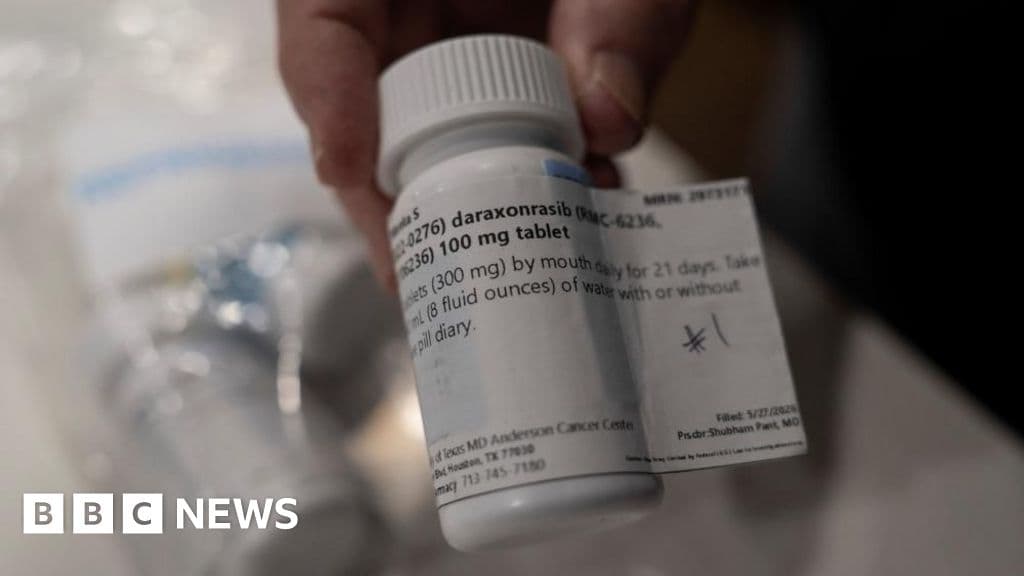
Discover how daraxonrasib, a new pill, is nearly doubling survival rates for pancreatic cancer patients, offering hope in a challenging battle against this deadly disease.
BBC Health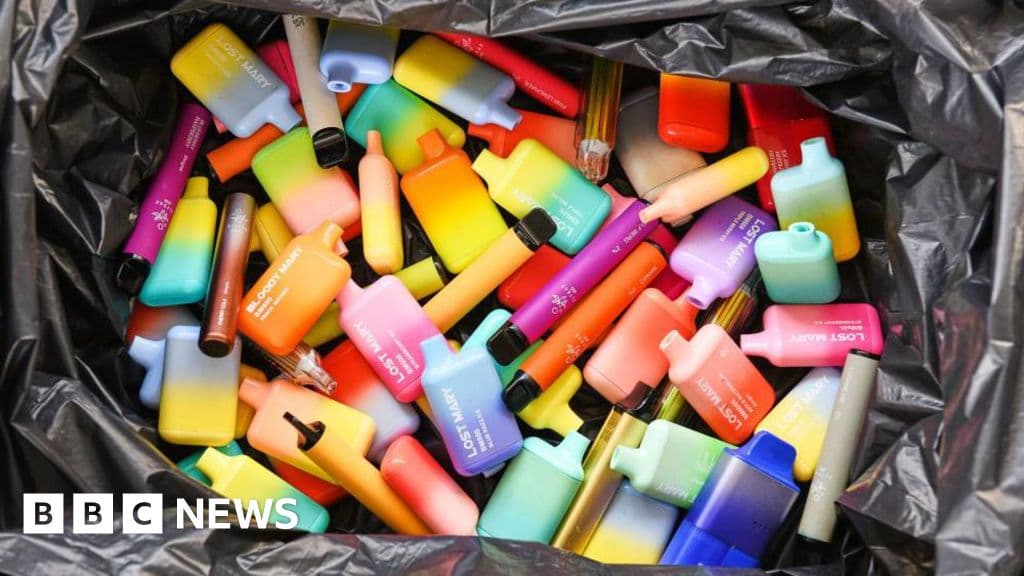
Waste companies propose a £5 deposit on vapes to encourage proper disposal and curb littering as the environmental impact of vapes increases.
BBC Business