
Image: BBC Health
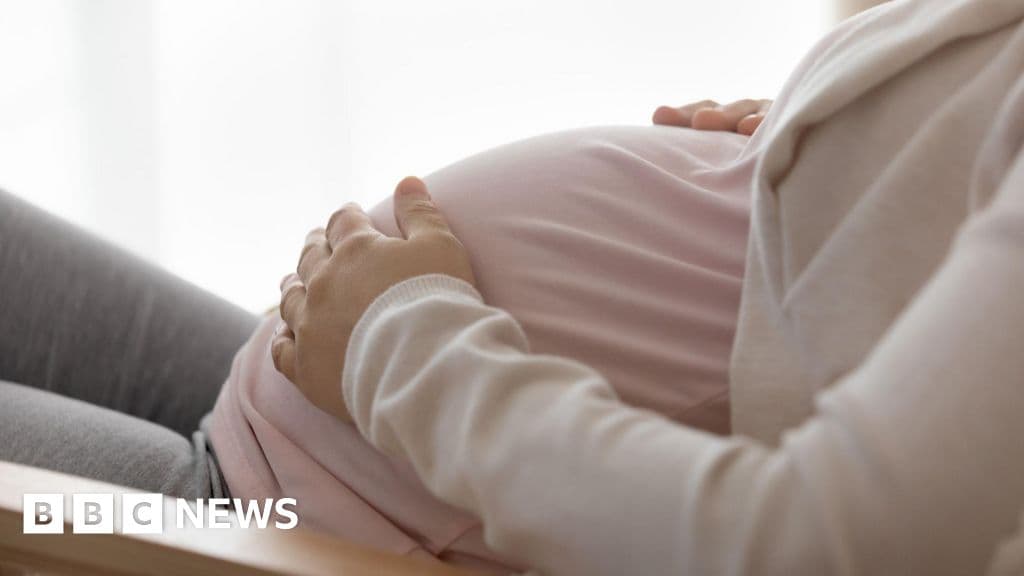
Shocking findings from Nottingham's maternity unit reveal a toxic culture and alarming neglect. What can be done to improve care? Discover the details.
GlipzoRecent revelations about the maternity unit at Nottingham University Hospitals NHS Trust (NUH) have raised serious concerns about the treatment of pregnant women and the culture within the healthcare facility. A BBC Panorama investigation has uncovered shocking details that depict a disturbing environment for both patients and staff. The inquiry, which is the largest of its kind in NHS history, is examining care provided to approximately 2,500 families from 2012 to 2025. This investigation sheds light on a troubling culture that seemingly prioritized keeping women at home before childbirth, often to their detriment.
One midwife's resignation letter from 2018 revealed alarming practices, including the use of the derogatory acronym "FOH", which stands for a crude phrase implying that pregnant women should leave the unit. This mindset reflects a broader issue within the maternity unit, as evidenced by another midwife's advice to colleagues: "Don't be too kind, she'll keep coming back." Such statements raise critical questions about the empathy and care provided in one of the most vulnerable times in a woman’s life.
The inquiry led by Donna Ockenden, a senior midwife, is set to release its findings on June 24. It aims to address various tragic outcomes, including stillbirths, maternal deaths, and injuries to both mothers and babies that have occurred within the trust’s facilities, specifically at City Hospital and Queen's Medical Centre. According to Ockenden, the staff's perception of a "Nottingham way" of superiority over other NHS trusts contributed to complacency and a lack of accountability.
Amidst this troubling backdrop, testimonies from ten midwives who worked in the unit reveal the harrowing experiences they faced. One midwife recounted a particularly tragic incident where a woman was advised not to come to the hospital, only to arrive later to find that her baby had died. The consequences were severe: the mother suffered significant physical injuries due to delayed care. This highlights the critical implications of miscommunication and inadequate support for expectant mothers.
The culture within the maternity unit has been described as toxic, with bullying and neglect marking the work environment for many staff members. A senior midwife's resignation letter detailed how colleagues exhibited a lack of compassion, including instances where a junior staff member was left unsupported while managing a complex case. Reports of midwives ignoring calls for help in favor of personal distractions, such as online shopping, illustrate a troubling lack of professionalism.
Chronic understaffing compounded these issues, with one community midwife stating, "They would say the levels of staffing were safe, but they definitely weren't." This inadequate staffing not only endangers patients but also places undue stress on the remaining staff, further perpetuating a cycle of poor care and burnout.
The emotional toll of this culture is evident in the experiences of women like Sarah Hawkins, whose daughter, Harriet, was stillborn in 2016. Hawkins expressed her distress upon learning about the derogatory remarks made by staff, reflecting a broader insensitivity that left her and many families feeling unheard and unsupported. "Who writes that in a caring profession?" she remarked, underscoring the disconnect between the expected compassion in healthcare and the reality faced by patients.
The inquiry's findings could potentially reshape the future of maternity care at NUH, prompting necessary reforms and a renewed focus on patient-centered care. As the investigation continues, it serves as a critical reminder of the importance of empathy and accountability in healthcare settings.
The upcoming report from the Ockenden inquiry is anticipated to provide crucial insights into the failures at Nottingham's maternity unit. With its publication date set for June 24, stakeholders, including healthcare professionals and families affected by these issues, are eagerly awaiting the findings. The report is expected to recommend changes aimed at improving care quality and addressing the systemic issues within the maternity unit.
As the NHS grapples with these revelations, a broader conversation about maternal care standards across the UK is essential. Improvements in communication, staffing levels, and a culture shift towards accountability and compassion are vital to prevent future tragedies. The Nottingham University Hospitals NHS Trust must take these findings seriously, not only to restore trust but to ensure the safety and well-being of mothers and children in their care.
The revelations from Nottingham's maternity unit highlight a critical need for reform in healthcare practices, especially in maternity care. This inquiry not only represents the voices of families affected by negligence but also serves as a wake-up call for healthcare systems to prioritize patient safety and emotional support. As the findings unfold, they may well lead to significant changes that could save lives and improve care across the NHS.
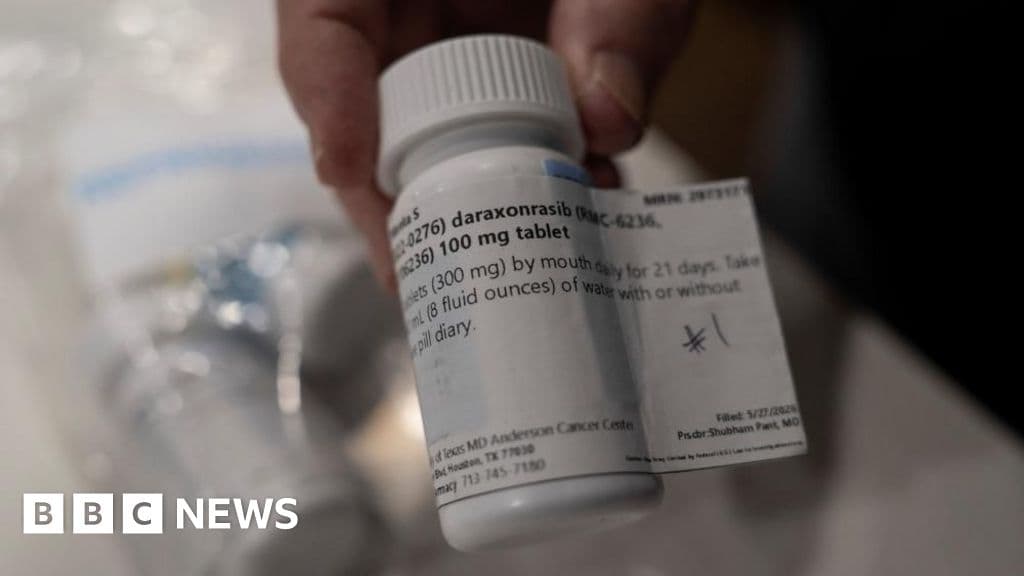
Discover how daraxonrasib, a new pill, is nearly doubling survival rates for pancreatic cancer patients, offering hope in a challenging battle against this deadly disease.
BBC Health
Waste companies propose a £5 deposit on vapes to encourage proper disposal and curb littering as the environmental impact of vapes increases.
BBC Business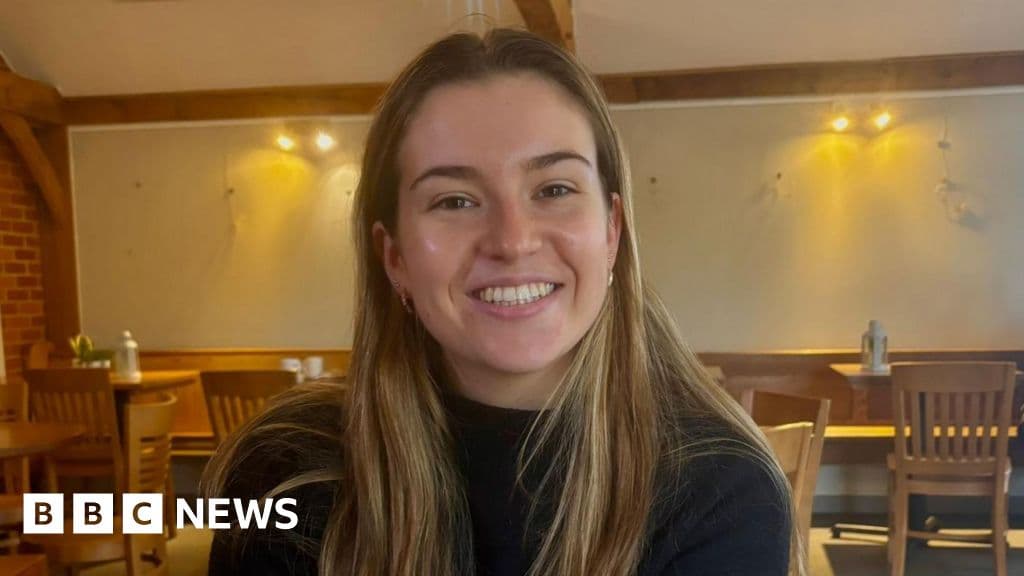
Discover how simple heart checks reveal hidden risks for young women, potentially saving lives. Learn why this matters for heart health awareness.
BBC Health