
Image: BBC Health
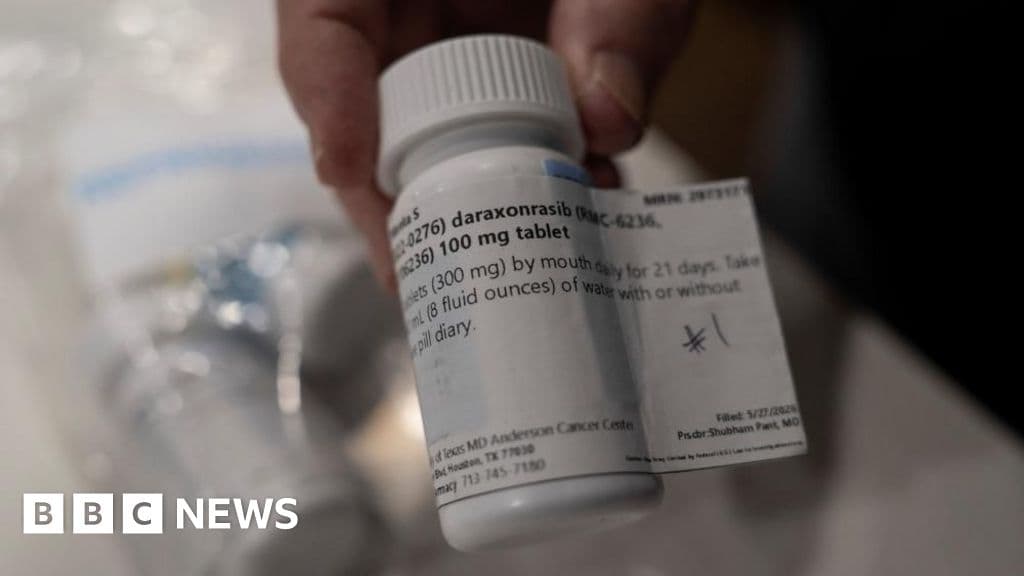
Discover how daraxonrasib, a new pill, is nearly doubling survival rates for pancreatic cancer patients, offering hope in a challenging battle against this deadly disease.
GlipzoIn a stunning advancement for the treatment of pancreatic cancer, researchers have unveiled a pill that could significantly extend survival rates for patients battling this notoriously lethal disease. The drug, known as daraxonrasib, has shown extraordinary results in clinical trials, nearly doubling the lifespan of individuals diagnosed with advanced pancreatic cancer. This breakthrough has been hailed by experts as a potential game changer in oncology, particularly given the high mortality rate associated with this type of cancer.
Pancreatic cancer ranks among the deadliest forms of cancer, with a five-year survival rate of just 10%. The disease is often diagnosed at an advanced stage, making effective treatment extremely challenging. According to Cancer Research UK, approximately 11,500 people in the UK are diagnosed with pancreatic cancer each year, leading to around 10,200 deaths annually. With such grim statistics, the need for innovative therapies is critical.
The impressive efficacy of daraxonrasib stems from its targeted action against the KRAS gene, which is mutated in over 90% of pancreatic tumors. This particular mutation is notorious for driving cancer growth, making it a prime target for treatment. By effectively locking onto the mutated KRAS gene, daraxonrasib helps to inhibit cancer proliferation, thereby preventing the disease from advancing further.
The clinical trial that brought these results to light involved 500 patients from North America, Europe, and Asia. Participants were split into two groups: one received chemotherapy, while the other was treated with daraxonrasib. The findings were compelling:
This stark contrast demonstrates the drug's potential to drastically improve patient outcomes. Moreover, patients taking daraxonrasib reported experiencing fewer side effects compared to those undergoing standard chemotherapy treatments.
Experts are optimistic about the implications of these findings. Rachna Shroff, chief of the division of hematology and oncology at the University of Arizona Cancer Centre, stated, "These results are landscape-changing for metastatic pancreatic cancer patients with a KRAS mutation." Such endorsements underline the importance of this research in the fight against a disease that has historically offered few treatment options.
The trial results were presented at the esteemed American Society of Clinical Oncology (ASCO) annual meeting held in Chicago, further emphasizing the significance of this breakthrough within the medical community. With ongoing discussions about the drug's potential, the hope is that daraxonrasib will pave the way for more effective treatments for those affected by pancreatic cancer.
Despite advancements in treatment, pancreatic cancer remains a difficult ailment to diagnose due to its subtle symptoms, which often mimic other conditions. Common indicators of pancreatic cancer include: - Jaundice (yellowing of the skin and eyes) - Itchy skin - Dark urine and pale stools - Unexplained weight loss - Fatigue - High temperature
These symptoms frequently do not manifest until the disease is in its advanced stages, making early detection crucial yet elusive. The urgency for improved diagnostic methods is underscored by the fact that more than 50% of patients succumb within just three months of diagnosis.
The introduction of daraxonrasib represents more than just a new option for treatment; it symbolizes hope for countless individuals and families affected by pancreatic cancer. As noted by Anna Jewell, director of services, research, and innovation at Pancreatic Cancer UK, "More time with those we love most is truly priceless." This sentiment resonates deeply, emphasizing the human aspect of medical advancements.
The potential for daraxonrasib to extend lives could lead to a broader discussion on the accessibility of cutting-edge treatments in the UK and beyond. Advocacy for ensuring that these promising therapies are available to all patients will be crucial moving forward.
As the medical community processes these groundbreaking findings, the next steps will involve further research, regulatory approvals, and discussions about making daraxonrasib widely available. The hope is that this treatment will not only reach patients in clinical settings but will also encourage ongoing investment in research for pancreatic cancer therapies.
In summary, the emergence of daraxonrasib as a viable treatment option marks a pivotal moment in the ongoing battle against pancreatic cancer. As we look to the future, it is essential to monitor how this drug impacts patient care and survival rates, as well as to advocate for broader access to innovative treatments that could change the lives of many.

Shocking findings from Nottingham's maternity unit reveal a toxic culture and alarming neglect. What can be done to improve care? Discover the details.
BBC Health
Waste companies propose a £5 deposit on vapes to encourage proper disposal and curb littering as the environmental impact of vapes increases.
BBC Business
Discover how simple heart checks reveal hidden risks for young women, potentially saving lives. Learn why this matters for heart health awareness.
BBC Health