

Image: Mint (Business)
Discover Winston Churchill's powerful advice on resilience and leadership, and learn how his timeless words apply to today's business challenges.
GlipzoIn a compelling address on October 29, 1941, Winston Churchill delivered a powerful message at Harrow School, his former institution, urging the students to embrace resilience with the famous words: "Never give in—never, never, never, never— in nothing, great or small, large or petty." This quote emerged during a time when the shadows of World War II loomed large over Britain, and young men were on the brink of being conscripted into a brutal conflict. Churchill's poignant words resonate today, offering vital lessons for modern leaders navigating an unpredictable business landscape.
Today’s corporate environment is characterized by constant change, economic uncertainty, and rapid technological advancements. In such a volatile context, Churchill’s message serves as a clarion call for leaders to remain steadfast and resilient. The essence of his speech transcends the era in which it was delivered, reminding leaders that true strength lies in the ability to endure through challenges.
Churchill’s exhortation to “never give in” is not merely a battle cry for stubbornness; it emphasizes the importance of maintaining core values and mission integrity while navigating through turbulent waters. The caveat he added—“except to convictions of honour and good sense”—is critical, providing a necessary distinction that should guide decision-making in the modern workplace.
For executives today, this quote highlights the necessity of differentiating between overarching strategy and specific tactics. Leaders must hold on to their organizational vision and core mission while remaining flexible in their approach. Here’s what this entails:
By embracing this mindset, leaders can cultivate resilience within their teams, transforming setbacks into stepping stones for future success.
Churchill’s own journey provides a rich backdrop for understanding the importance of resilience. After his political ostracism during the 'wilderness years' from 1929 to 1939, when he was sidelined for his early warnings about Nazi Germany, he returned to lead Britain through one of its darkest hours. His experience underscores a critical lesson for modern leaders: the ability to maintain unwavering commitment to a core mission, while being adaptable in approach, is essential in crisis management.
Churchill’s leadership style—marked by executive resilience—offers a valuable guide for contemporary corporate strategies. His capacity to frame narratives during crises and leverage past failures as learning opportunities are foundational principles that resonate with today’s executives.
Recognized with the Nobel Prize in Literature in 1953, Churchill’s eloquence and ability to convey complex ideas with clarity and passion are key components of his legacy. His wartime speeches not only rallied a nation but also defended the profound values of humanity. The effectiveness of his rhetoric continues to influence political and corporate leaders alike, serving as a reminder of the power of words in shaping public sentiment and fostering resilience.
As we analyze the dynamics of today’s fast-paced business environment, the relevance of Churchill’s wisdom becomes increasingly apparent. His insights into resilience and leadership are crucial for navigating the uncertainties that executives face today. In a world where change is the only constant, the ability to endure, adapt, and learn from failures is paramount for success.
As leaders in various sectors look to the future, they must prioritize the principles encapsulated in Churchill's address. The ability to maintain focus on core values while remaining flexible in execution will be pivotal for thriving in uncertain times. As organizations confront new challenges and opportunities, the lessons from Churchill's legacy will continue to resonate, guiding leaders to foster resilience and drive sustainable success.
Stay tuned for more insights as we explore how these timeless lessons can be applied in the ever-evolving business landscape.

Commercial LPG prices have risen again, with increases of ₹42 in Delhi and ₹53.50 in Kolkata impacting businesses and consumers alike. Find out more.
Indian Express
Discover how a tragic coal mine explosion in Shanxi, China, reveals ongoing safety concerns in the industry amidst a push for green energy.
BBC Business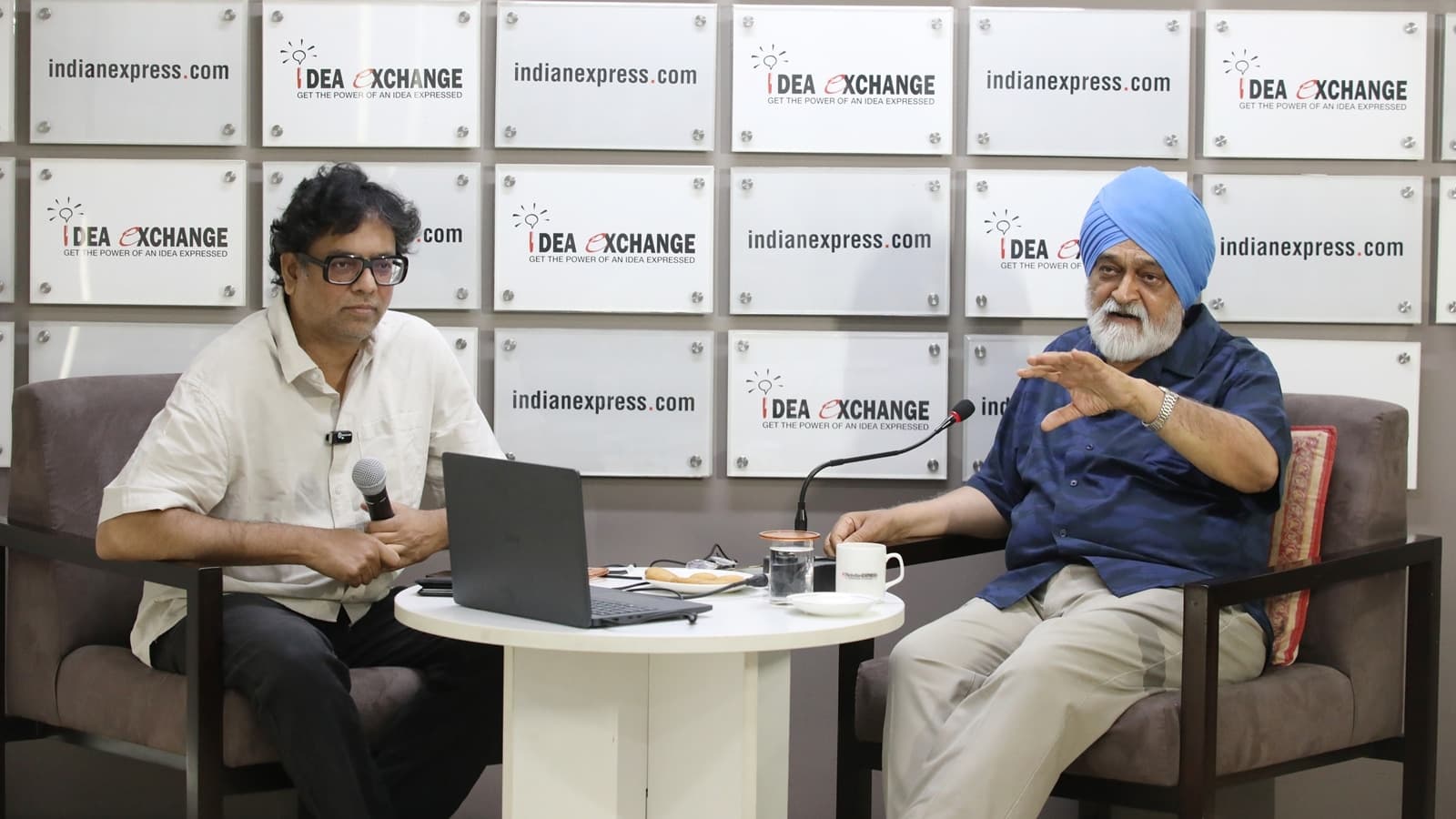
Montek Singh Ahluwalia highlights key economic challenges for India, emphasizing the need for a strategic approach to balance payments and investment.
Indian Express