
Image: BBC Business
Discover why the UK government embraces rising Chinese car imports while facing challenges in domestic manufacturing. What's next for Britain's automotive future?
GlipzoIn a Somerset field, where the towering construction of Hinkley Point nuclear power station meets the serene backdrop of Glastonbury Tor, the future of the British automotive industry is taking shape. This location is not only pivotal for the country’s car manufacturing but could also play a crucial role in bolstering economic resilience at a time of global uncertainty.
Currently, the site resembles a bustling construction zone, with massive steel frames sprawling over an area equivalent to 30 football pitches, dotted with cranes and earth-movers. By next year, it will transform into Agratas, the UK’s largest gigafactory, dedicated to producing electric vehicle (EV) battery cells for Jaguar Land Rover’s upcoming electric fleet.
The investment from India’s Tata Group, totaling £5 billion, has been hailed as a monumental achievement in industrial policy by successive governments. However, this facility is not merely a success story; it is deemed essential for the survival of British car manufacturing amidst increasing competition and changing consumer preferences.
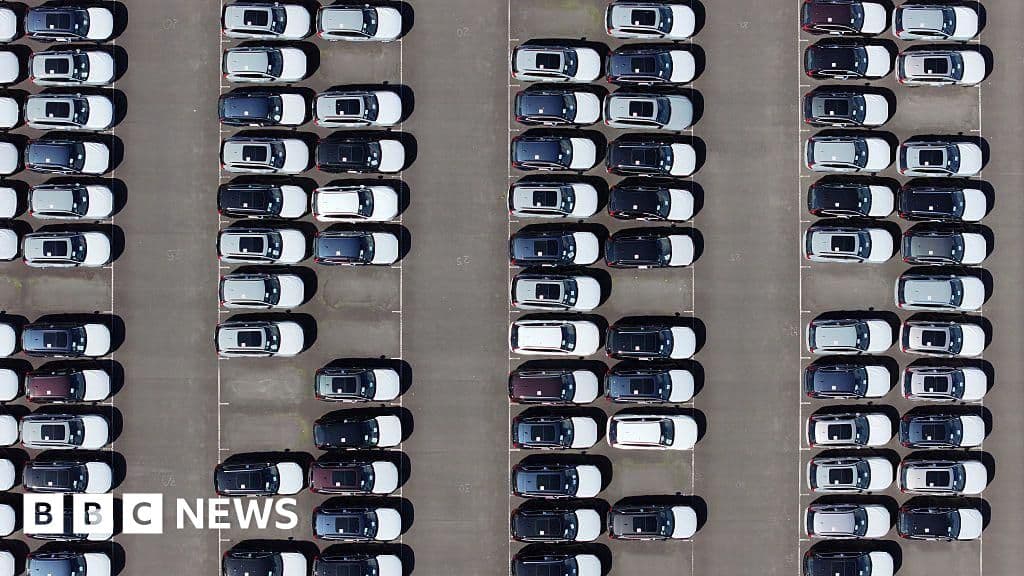
In tandem with this development, the UK car industry has recently faced a startling shift. Data released this week revealed that the Jaecoo 7, a medium-sized petrol and hybrid SUV from China, has claimed the title of the best-selling car in the UK for the first time. This marks a significant milestone, highlighting a broader trend where Chinese brands now account for approximately 15% of new cars sold in the UK, a dramatic increase from just 1.3% five years ago.
During a visit to the Agratas construction site, Business Secretary Peter Kyle confirmed a £380 million grant for the initiative and shared his views on the rise of Chinese car imports. Despite acknowledging the concerns, he emphasized that the UK should not fear these developments, stating, "I don't want to prevent UK consumers having access to cars of their choice."
Kyle pointed out potential trade distortions but remained optimistic about the job creation and investment opportunities that could arise from Chinese car manufacturers looking to establish a presence in the UK. He likened this situation to the Japanese automotive boom in the 1990s.
However, the British car industry has experienced a 50% decline in production over the past decade, raising alarms about the ability of local manufacturers to compete effectively. Concerns also linger regarding potential data and national security risks associated with increased Chinese presence.
The opposition has been vocal about the implications of this shift. Andrew Griffith, the Shadow Business Secretary, attributed the decline of British car manufacturing to government regulations aimed at steering consumers away from petrol and diesel vehicles. He argued that this has led to fewer choices for consumers and an influx of imported electric vehicles. "British car makers have been undermined by a foolish ban on internal combustion engines," he lamented.
Robert Jenrick from the Reform party echoed these sentiments, warning that British manufacturers are at a disadvantage against “unfair Chinese competition.” He proposed that if the situation persists, his party would introduce tariffs and quotas to safeguard domestic jobs.
While the UK has welcomed Chinese automotive imports, other nations have taken a more protective stance. The EU and US have imposed tariffs on Chinese imports, a move that has been perceived as a barrier to Chinese market penetration. The UK’s decision to refrain from similar actions has allowed Chinese companies to invest in local dealer networks and marketing strategies, which has substantially boosted their sales in the region.
Countries like Canada have also exhibited caution, with Prime Minister Mark Carney backing away from additional tariffs on certain Chinese electric vehicles. Meanwhile, Spain has embraced Chinese leadership in EV manufacturing, successfully attracting significant factory investments.
Mike Hawes, the CEO of the Society of Motor Manufacturers and Traders (SMMT), pointed out that the British market has traditionally been very open to foreign car manufacturers. He noted that Chinese companies are rapidly adapting to consumer preferences by offering attractive products. “At the end of the day, the consumer is right,” he asserted, emphasizing that the appeal of these vehicles lies in their desirability.
As the automotive landscape evolves, the implications of these developments are far-reaching. The rise of Chinese manufacturers in the UK market raises critical questions about the future of domestic car production, consumer choice, and national security. The government’s relaxed stance on imports may stimulate competition and innovation, but it also poses risks for local manufacturers struggling to adapt.
As we look towards the future, the UK automotive industry must brace for continued transformations driven by global market dynamics. Key aspects to monitor include:
In summary, the landscape of the British automotive sector is poised for significant changes amid the growing influence of Chinese imports. The balancing act between embracing foreign investment and protecting local manufacturing will be crucial for the industry's future sustainability and growth.
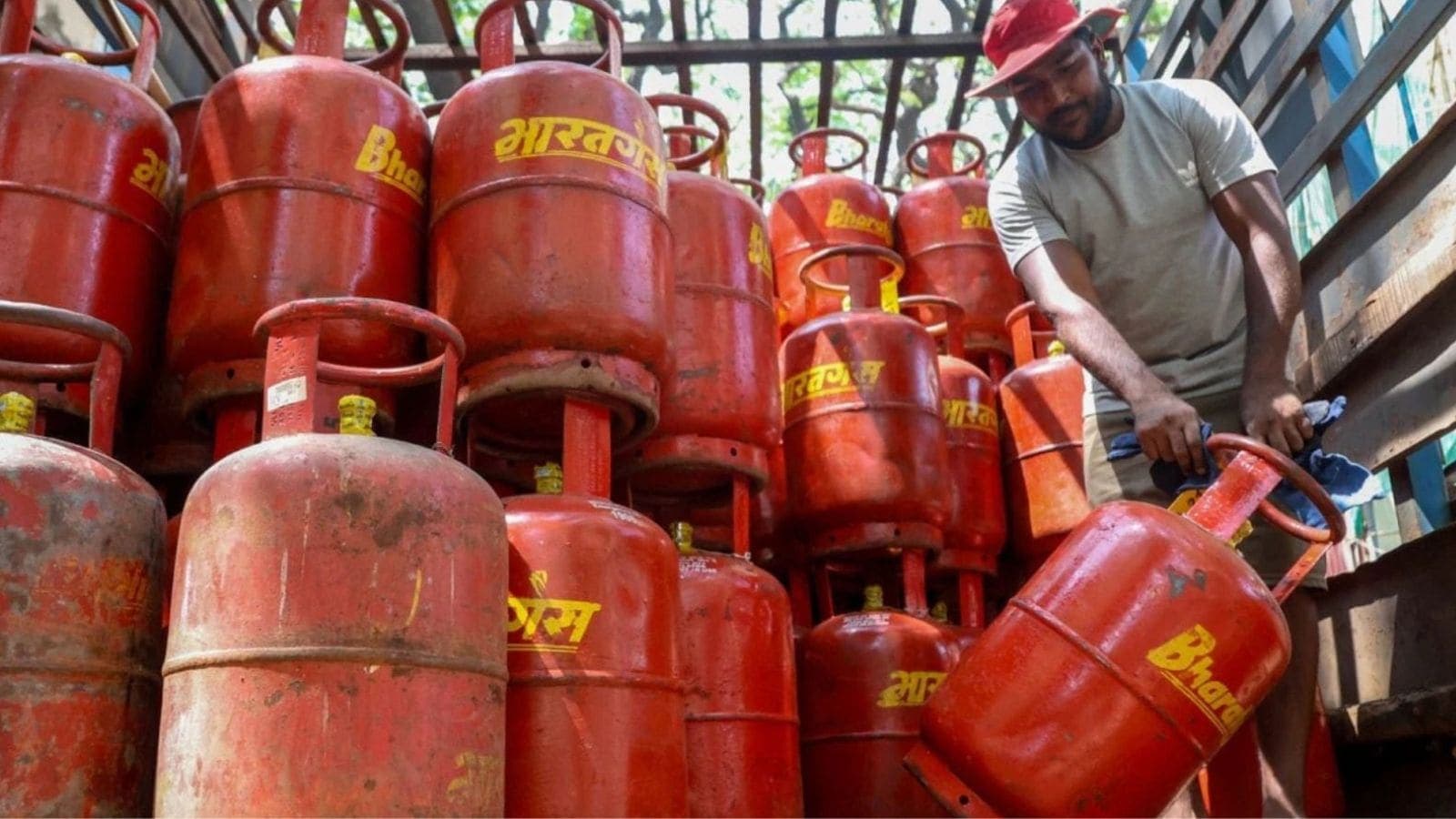
Commercial LPG prices have risen again, with increases of ₹42 in Delhi and ₹53.50 in Kolkata impacting businesses and consumers alike. Find out more.
Indian Express
Discover how a tragic coal mine explosion in Shanxi, China, reveals ongoing safety concerns in the industry amidst a push for green energy.
BBC Business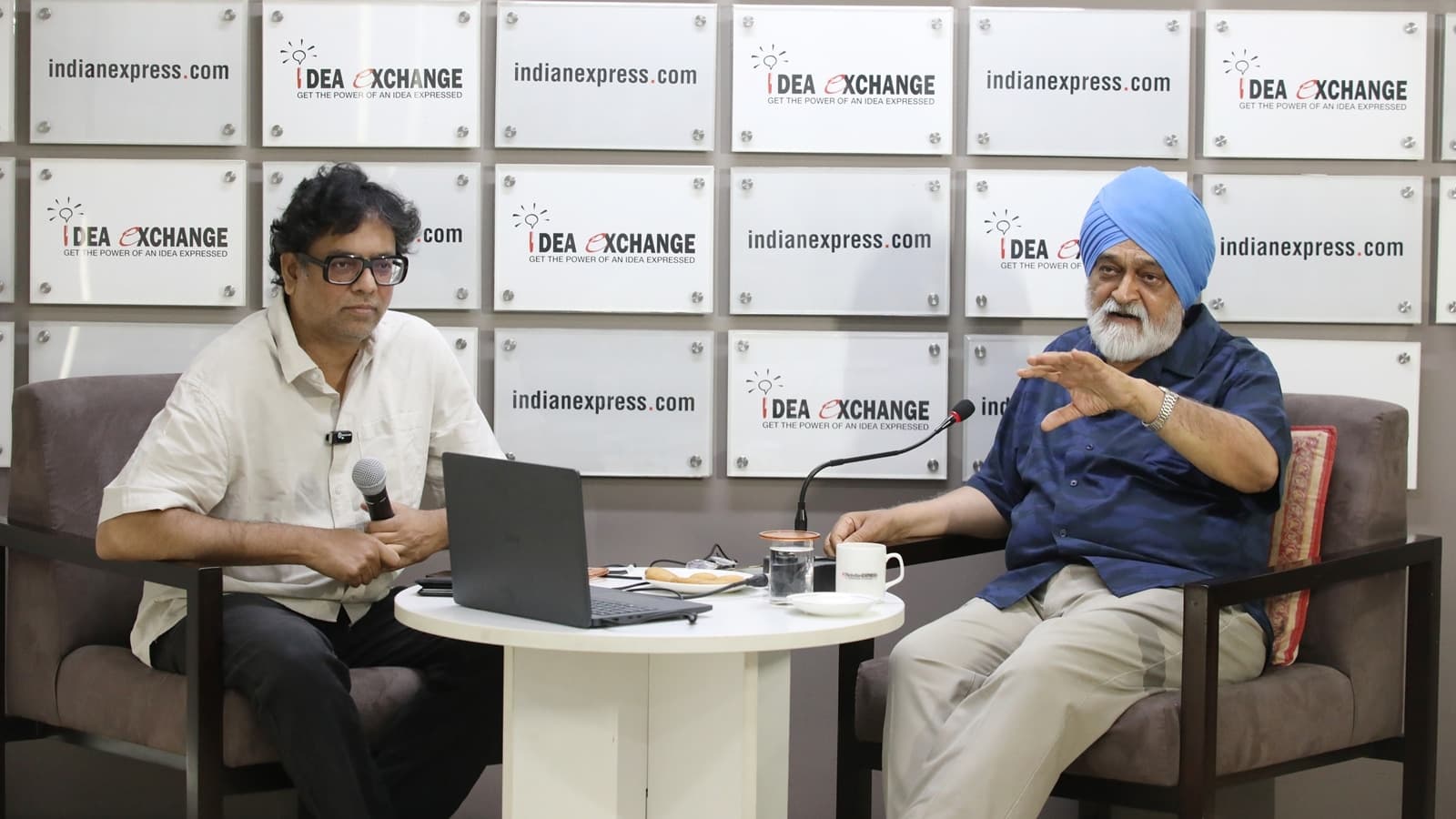
Montek Singh Ahluwalia highlights key economic challenges for India, emphasizing the need for a strategic approach to balance payments and investment.
Indian Express