

Image: BBC Business
Oil prices dip as US-Iran peace talks gain traction. Discover how these developments could impact global energy markets and economic stability.
GlipzoIn a significant shift, oil prices experienced a decline during early trading in Asia on Tuesday, driven by renewed hopes for peace talks between the United States and Iran. This easing of tensions has calmed market fears regarding potential disruptions in global energy supplies, which have been a concern following recent conflicts.
The global benchmark for crude oil, Brent, saw a decrease of approximately 1%, settling at $98.40 per barrel. Meanwhile, US-traded oil faced a steeper drop, falling by 1.7% to $97.40. This decline follows a surge that had pushed oil prices above $100 a barrel after President Donald Trump ordered a blockade of Iranian ports in response to stalled negotiations over the weekend.
President Trump, speaking to reporters outside the White House, revealed a significant development: "I can tell you we've been called by the other side. They'd like to make a deal very badly." This statement suggests a willingness from Tehran to engage in dialogue, creating a glimmer of hope in a tense geopolitical landscape.
Further complicating matters, a report from the New York Times indicated that Iran had proposed a temporary suspension of uranium enrichment for up to five years. However, this offer was met with resistance from the US, which is seeking a much longer suspension of 20 years. The negotiations have seen both sides exchanging proposals, particularly during discussions in Pakistan, yet a consensus remains elusive.
Despite these hurdles, the ongoing discussions hint at a potential pathway toward a peaceful resolution between Washington and Tehran. The possibility of a second round of face-to-face dialogues appears more plausible, which could further impact oil prices and global markets.
In tandem with the decline in oil prices, Asian stock markets reacted favorably on Tuesday. The Nikkei 225 index in Japan rose by 2.6%, while South Korea's Kospi exchange surged by over 3%. Countries in Asia that heavily rely on energy imports from the Gulf region have faced severe economic challenges due to the ongoing conflict with Iran.
The Strait of Hormuz remains a critical hotspot, having become a focal point in the broader conflict. Since February 28, Iran has threatened to target vessels navigating this vital waterway, a route that typically facilitates nearly 20% of global oil and gas shipments. Such threats have substantially contributed to rising energy prices and heightened market volatility.
US Department of Energy Secretary Chris Wright provided insights on the oil market during a talk at the Semafor World Economy Forum in Washington. He forecasted that oil prices are likely to peak in the upcoming weeks, as the Strait of Hormuz remains effectively closed to shipping traffic. "We're going to see energy prices high - and maybe even rising - until we get meaningful ship traffic through the Strait of Hormuz," Wright stated.
This projection underscores the potential for continued volatility in oil prices, particularly if tensions persist in the region. Wright anticipates that the peak in oil prices will coincide with the resolution of shipping issues in the Strait, highlighting the interconnected nature of global energy markets.
The developments surrounding US-Iran relations are crucial not just for the countries involved but for the global economy as a whole. With energy prices influencing everything from transportation costs to consumer spending, any significant fluctuations can ripple through economies worldwide. Investors and policymakers alike are closely monitoring the situation, as the outcomes of these negotiations could redefine energy security in the region.
As the world watches closely, the potential for a diplomatic resolution hangs in the balance. Should negotiations yield positive results, we may see a stabilization of oil prices and a subsequent recovery in markets that have been adversely affected by the turmoil in the Middle East. Conversely, continued hostilities could lead to further disruptions and an escalation in global energy prices.
As we move forward, several key factors will influence oil prices and the broader economic landscape: - Continued Negotiations: The effectiveness of upcoming peace talks between the US and Iran will be paramount in shaping market sentiment. - Regional Stability: The situation in the Strait of Hormuz will remain a critical focus, as any escalations could lead to immediate spikes in oil prices. - Global Demand: Economic recovery patterns in major economies will also play a role in determining how oil prices fluctuate in the near future.
In summary, while the recent decline in oil prices offers a moment of relief, the situation remains fluid. Stakeholders across the globe will need to stay vigilant as developments unfold in both diplomatic discussions and regional security dynamics.
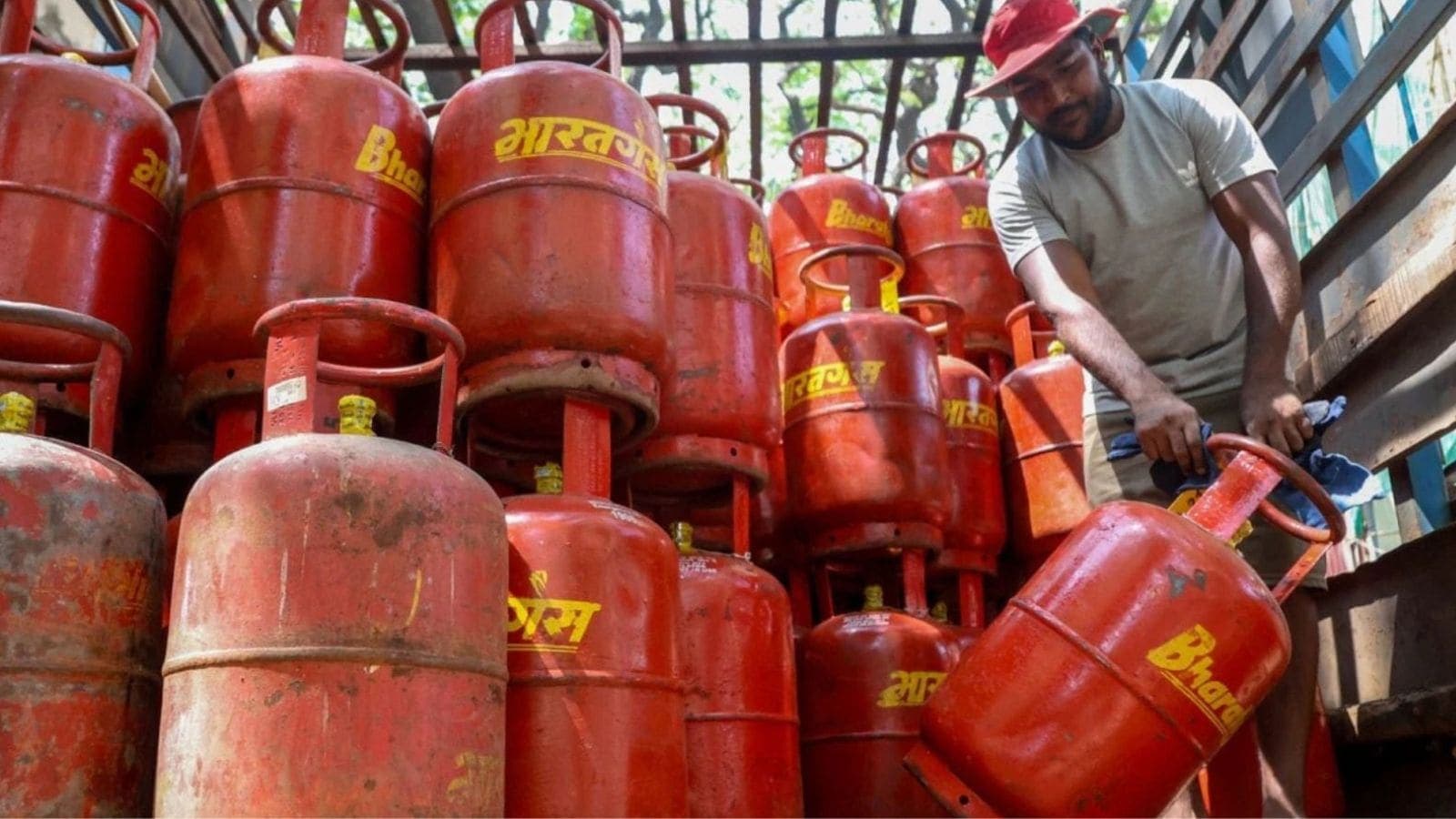
Commercial LPG prices have risen again, with increases of ₹42 in Delhi and ₹53.50 in Kolkata impacting businesses and consumers alike. Find out more.
Indian Express
Discover how a tragic coal mine explosion in Shanxi, China, reveals ongoing safety concerns in the industry amidst a push for green energy.
BBC Business
Montek Singh Ahluwalia highlights key economic challenges for India, emphasizing the need for a strategic approach to balance payments and investment.
Indian Express