
Image: BBC World
The WHO warns of a catastrophic collision of Ebola and conflict in DR Congo as Uganda closes borders. What does this mean for the region's health?
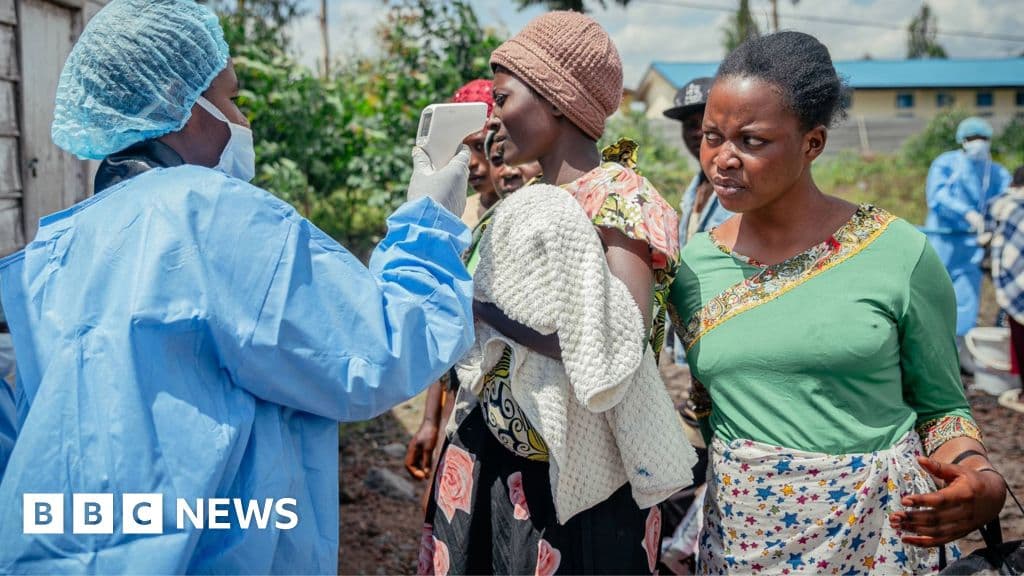
GlipzoThe Democratic Republic of Congo (DR Congo) is currently facing a dire situation as an Ebola outbreak collides with ongoing armed conflict. The World Health Organization (WHO) has raised alarms about the precarious conditions in Ituri province, where the convergence of disease and warfare poses a significant threat to public health and safety. WHO Director-General Dr. Tedros Adhanom Ghebreyesus emphasized that the organization's efforts to manage the outbreak are being severely hampered by the violence in the region.
In a statement posted on social media platform X, Dr. Tedros remarked, "We cannot build community trust or isolate the sick while bombs are falling." His upcoming visit to the DR Congo this week aims to bolster containment efforts and bring much-needed attention to the crisis. This outbreak has already led to 220 suspected deaths since its declaration, raising concerns not only in DR Congo but in neighboring countries as well.
In response to the escalating situation, Uganda has announced an immediate closure of its border with DR Congo. This border closure is aimed at preventing the potential spread of the virus across national lines. Only essential personnel, including medical and humanitarian workers, food transporters, and security staff, will be permitted to cross under strict conditions.
Several other countries have also reacted by imposing travel restrictions. For instance, Canada has enacted a 90-day entry ban on residents from DR Congo and neighboring nations, including Uganda and South Sudan. The United States has similarly barred non-citizens who have recently traveled to any of these countries from entering.
The situation in Ituri is further exacerbated by poor infrastructure, ongoing conflict, and mass displacement of people. These factors have severely weakened the health system, making it challenging for aid workers to respond effectively. The Congolese health authorities have reported that around 1,000 individuals are currently exhibiting symptoms indicative of Ebola. However, the true extent of the outbreak remains unclear due to insufficient testing capabilities.
Dr. Tedros stated that halting the transmission of Ebola in the region hinges on humanitarian access. Unfortunately, persistent clashes are driving people into overcrowded camps, complicating containment efforts. He called for an immediate ceasefire, urging all parties involved in the conflict to prioritize the health crisis.
The current outbreak is caused by a rare strain of the Ebola virus known as Bundibugyo, for which there are currently no vaccines or established treatments. The Congolese health authorities have struggled to confirm the total number of deaths linked to the virus; only 17 cases have been confirmed through laboratory tests. Meanwhile, medical teams are racing against time to trace approximately 3,600 contacts of those infected, with 2,000 tests already distributed and an additional 4,000 expected to be sent out soon.
Médecins Sans Frontières (MSF), also known as Doctors Without Borders, has been working tirelessly to bring medical supplies and personnel to the crisis epicenter. Ewald Stals, MSF's director in DR Congo, emphasized the challenges posed by insecurity and inadequate transport links in Ituri province. He stated, "We’re still far behind having a control on the situation... As long as that is the case, we can say that the virus is still ahead of us."
In light of the escalating crisis, the European Centre for Disease Prevention and Control (ECDC) announced plans to enhance its presence in the affected region. More experts will be deployed to support containment efforts, indicating a coordinated international response to the outbreak.
As the situation unfolds, it is crucial for the global community to monitor developments closely. The intersection of health crises and armed conflict poses a unique set of challenges, making immediate action essential. The need for humanitarian access, effective testing, and medical resources cannot be overstated as DR Congo battles both Ebola and the repercussions of ongoing violence.
The implications of this crisis extend beyond the borders of DR Congo. The potential for a wider outbreak of Ebola, paired with the instability caused by conflict, poses a serious risk to public health on a global scale. The international community must act decisively to address the humanitarian needs while also working to contain the virus effectively.
In conclusion, as we await Dr. Tedros' visit and the international community’s response, it remains vital to prioritize humanitarian access and support for those affected. The coming weeks will be critical in determining the trajectory of this outbreak and the health of the region.

Shocking findings from Nottingham's maternity unit reveal a toxic culture and alarming neglect. What can be done to improve care? Discover the details.
BBC Health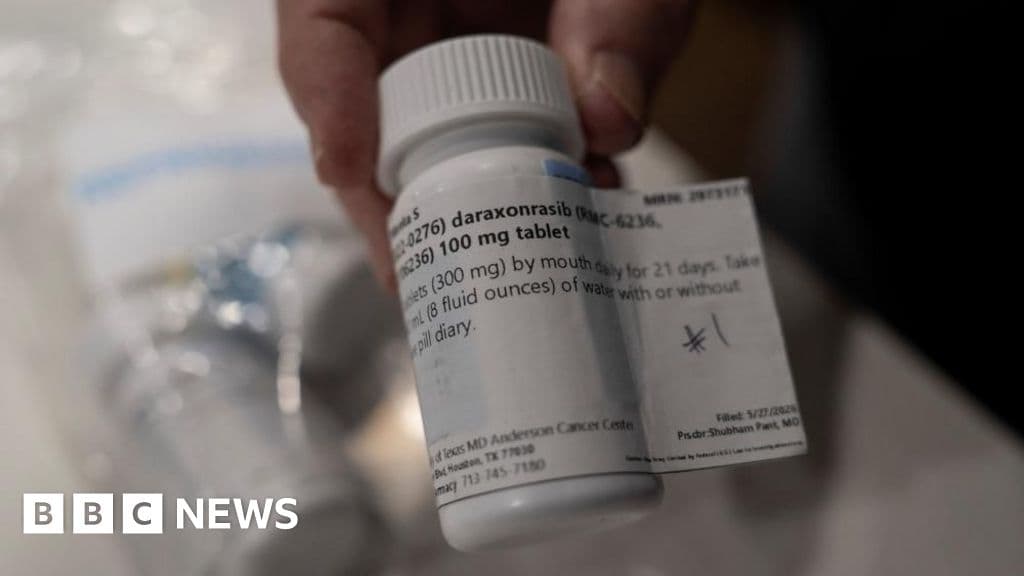
Discover how daraxonrasib, a new pill, is nearly doubling survival rates for pancreatic cancer patients, offering hope in a challenging battle against this deadly disease.
BBC Health
Waste companies propose a £5 deposit on vapes to encourage proper disposal and curb littering as the environmental impact of vapes increases.
BBC Business