
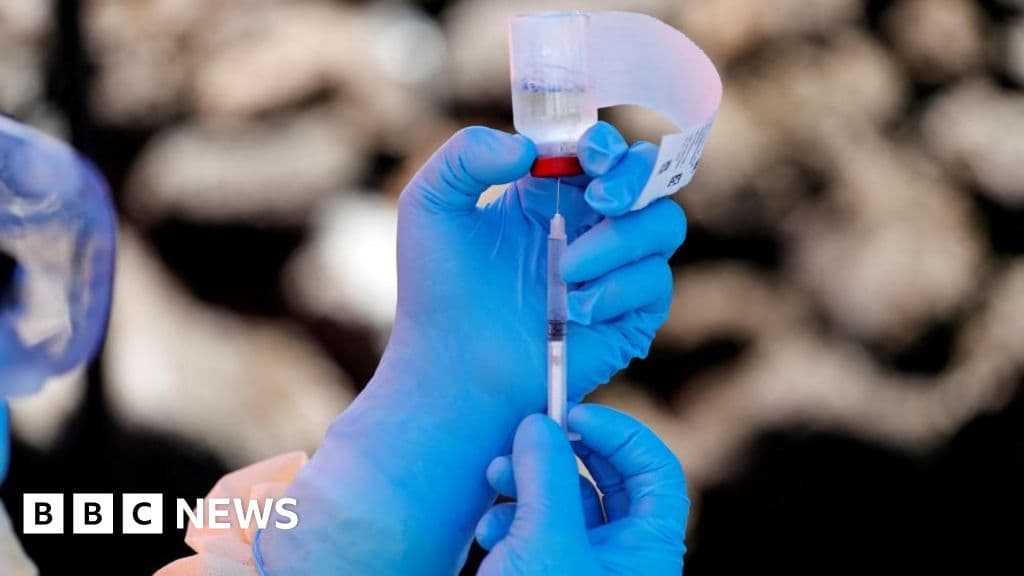
Image: BBC World
WHO declares a public health emergency over an Ebola outbreak in DR Congo, with 246 suspected cases and urgent measures needed to prevent further spread.
GlipzoIn a critical move, the World Health Organization (WHO) has officially classified the ongoing Ebola outbreak in Ituri province, Democratic Republic of Congo (DRC), as a public health emergency of international concern. This announcement comes as health officials grapple with approximately 246 suspected cases and 80 fatalities linked to the outbreak, highlighting a significant challenge for both local and global health authorities.
Despite the grave nature of the situation, Dr. Tedros Adhanom Ghebreyesus, WHO’s Director-General, confirmed that the outbreak does not currently qualify as a pandemic emergency. He expressed serious concerns regarding the uncertainties surrounding the actual number of infections and the possible geographic spread of the virus.
The current situation is exacerbated by the emergence of the Bundibugyo virus, a strain of Ebola for which no approved treatments or vaccines exist. As of now, there are eight confirmed laboratory cases, with additional suspected infections and deaths reported across multiple health zones, including the provincial capital Bunia and the gold-mining towns of Mongwalu and Rwampara.
The implications of this outbreak extend beyond the borders of DRC, with two confirmed cases reported in neighboring Uganda. Authorities there have reported the death of a 59-year-old man who tested positive for the virus, raising alarms about the potential for regional transmission. The WHO notes that countries adjacent to DRC are at heightened risk for further spread, primarily due to factors such as population mobility, trade, and travel.
In response to this escalating situation, the WHO has urged both DRC and Uganda to establish emergency operation centers. These centers will be instrumental in monitoring the outbreak, tracing contacts, and implementing crucial infection-prevention measures. Key recommendations from the WHO include:
The WHO has emphasized that countries outside the immediate outbreak zone should refrain from closing borders or imposing travel restrictions. Such actions often stem from fear rather than scientific evidence and can hinder effective responses to outbreaks.
Ebola, first identified in 1976 in what is now DRC, is primarily transmitted through direct contact with the bodily fluids of infected individuals. The virus can lead to severe health complications, including hemorrhagic fever, organ failure, and high mortality rates. Initial symptoms typically present as fever, muscle pain, and fatigue, which can escalate to severe gastrointestinal symptoms and bleeding.
The average fatality rate for Ebola hovers around 50%, although it can vary significantly depending on the outbreak. The Africa CDC has raised alarms about the increased risk of spread given the densely populated urban areas of Rwampara and Bunia, along with the activities surrounding mining in Mongwalu.
This outbreak marks the 17th occurrence of Ebola in DRC. The deadliest outbreak recorded took place between 2018 and 2020, resulting in nearly 2,300 deaths. More recently, an outbreak in a remote region last year claimed 45 lives. Over the past five decades, approximately 15,000 people have succumbed to the virus across various African nations, underscoring the persistent threat Ebola poses to public health.
The need for regional coordination has been highlighted by Dr. Jean Kaseya, Executive Director of the Africa CDC, who noted that significant population movements between the affected areas and neighboring countries underscore the urgency of collaborative health strategies.
As health authorities mobilize to tackle this emerging crisis, the focus will be on containment strategies, rapid response measures, and public awareness campaigns. The WHO’s proactive stance aims not only to manage the current outbreak but also to prevent future incidents of Ebola and similar infectious diseases.
With the potential for further spread, particularly in neighboring countries, it is crucial for regional health systems to enhance their preparedness and response capabilities. Ongoing surveillance, community engagement, and international support will be vital in navigating this public health challenge.
In conclusion, the situation remains fluid, and stakeholders must remain vigilant. As the world watches closely, the next steps taken by DRC, Uganda, and the global community will be critical in shaping the outcome of this public health emergency.

Shocking findings from Nottingham's maternity unit reveal a toxic culture and alarming neglect. What can be done to improve care? Discover the details.
BBC Health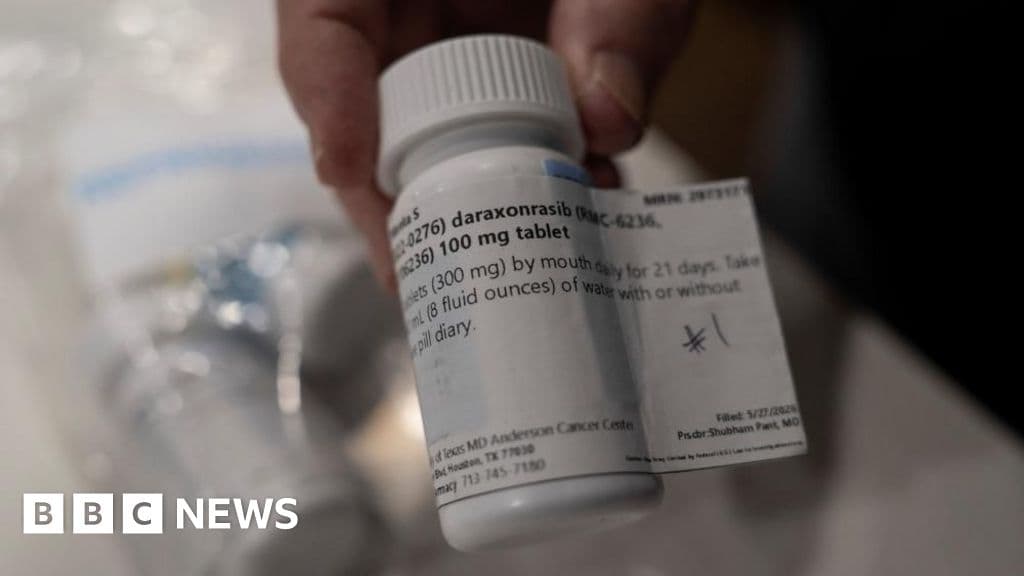
Discover how daraxonrasib, a new pill, is nearly doubling survival rates for pancreatic cancer patients, offering hope in a challenging battle against this deadly disease.
BBC Health
Waste companies propose a £5 deposit on vapes to encourage proper disposal and curb littering as the environmental impact of vapes increases.
BBC Business