
Image: Indian Express
WHO declares a public health emergency due to a critical Ebola outbreak in DRC and Uganda, with 80 suspected deaths. Learn what's at stake.
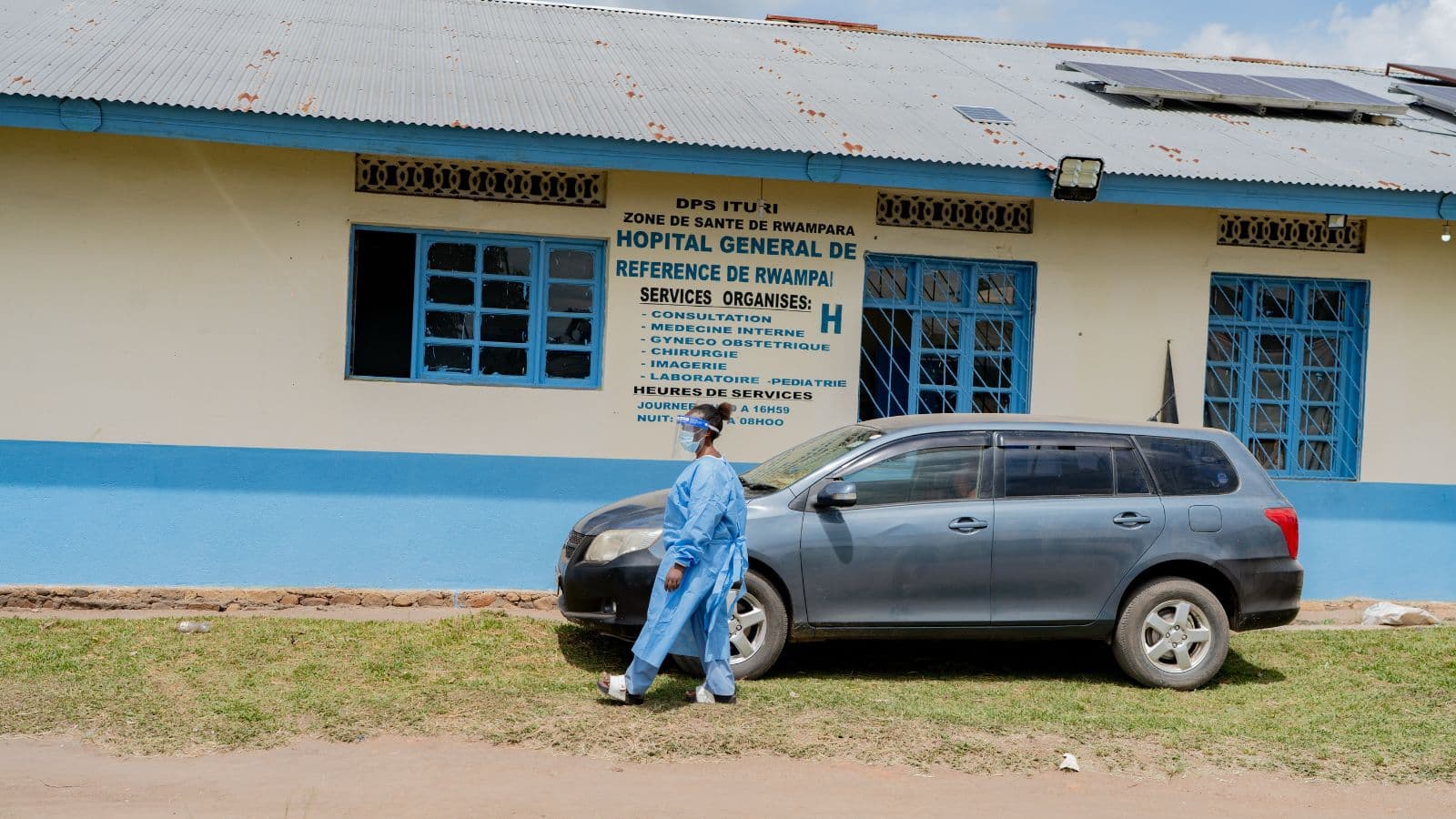
GlipzoOn Sunday, the World Health Organization (WHO) announced a public health emergency of international concern due to an alarming Ebola outbreak in the Democratic Republic of Congo (DRC) and Uganda. The declaration comes as health officials report a total of 80 suspected deaths, alongside eight laboratory-confirmed cases and 246 suspected cases documented in Ituri province of DRC, which encompasses critical areas such as Bunia, Rwampara, and Mongbwalu.
The outbreak is attributed to the Bundibugyo virus, a strain of the Ebola virus. Despite the severity of the situation, the WHO clarified that it does not meet the criteria for a pandemic emergency, though it warned that neighboring countries are at a significant risk of further transmission. The DRC’s health ministry had earlier confirmed on Friday that the outbreak has already resulted in 80 fatalities in the eastern province, a concerning statistic that underscores the gravity of the situation.
The WHO has raised concerns that the current outbreak could escalate rapidly, with the potential for many more cases than currently reported. This is primarily due to the high positivity rate of initial samples collected, coupled with the increasing number of suspected cases surfacing.
In its statement, the WHO characterized the outbreak as “extraordinary”, especially because there are currently no approved vaccines or therapeutics specifically targeting the Bundibugyo virus, which distinguishes it from the more commonly known Ebola-Zaire strains.
The WHO has emphasized the public health risks that the DRC-Uganda outbreak poses to surrounding nations. They noted that instances of international spread have already been documented, prompting the agency to recommend that countries activate their national disaster and emergency management protocols. This includes implementing thorough cross-border screenings and checking main internal roads for any potential cases.
In Kampala, Uganda’s capital, officials reported two laboratory-confirmed cases, including one death, linked to individuals who had traveled from the DRC. Furthermore, a confirmed case was also identified in Kinshasa, the capital of DRC, from an individual returning from the affected Ituri province.
While the WHO has advised strict health protocols, it has also cautioned against closing borders or imposing travel restrictions out of fear. Such measures could lead to informal crossings that are unmonitored, which may exacerbate the spread of the virus. Instead, the agency encourages countries to maintain open trade and travel channels, while ensuring robust health screenings are in place.
Continued updates from health organizations will provide insight into the effectiveness of containment strategies and the potential for a larger outbreak. The international community must remain engaged, offering support and resources to combat this critical health crisis effectively.
This outbreak serves as a crucial moment for public health officials worldwide to reflect on preparedness and response strategies for future health emergencies. As the situation develops, all eyes will be on the DRC and Uganda to see how they navigate this complex challenge.
Shocking findings from Nottingham's maternity unit reveal a toxic culture and alarming neglect. What can be done to improve care? Discover the details.
BBC Health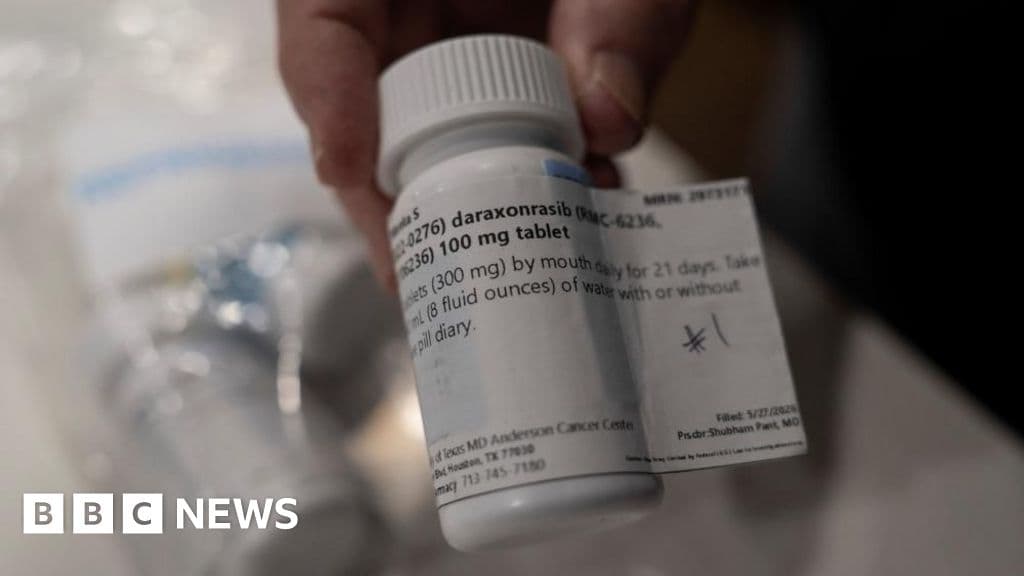
Discover how daraxonrasib, a new pill, is nearly doubling survival rates for pancreatic cancer patients, offering hope in a challenging battle against this deadly disease.
BBC Health
Waste companies propose a £5 deposit on vapes to encourage proper disposal and curb littering as the environmental impact of vapes increases.
BBC Business