
Image: Mint (Business)
Discover Warren Buffett's timeless investment rules for protecting capital and achieving long-term wealth. Learn why these principles matter now more than ever.
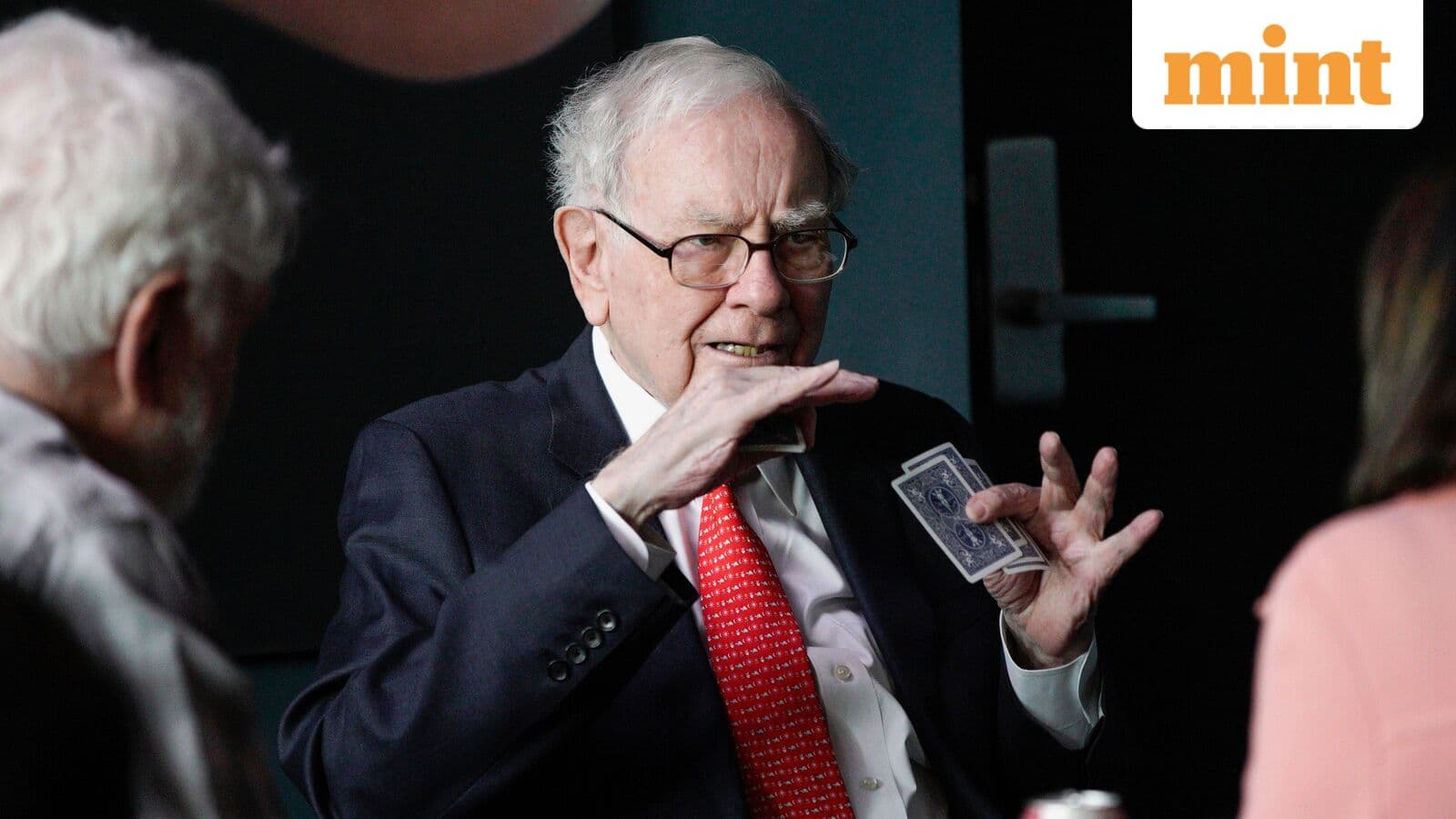
GlipzoWarren Buffett, the renowned founder and chairman of Berkshire Hathaway, has long been a beacon of wisdom in the world of investing. Known affectionately as the 'Oracle of Omaha', Buffett's insights have shaped the strategies of countless traders and investors. His approach emphasizes a long-term perspective on stocks, grounded in fundamentals, and advocates for thoughtful risk-taking rather than speculation.
Buffett, alongside his late partner Charlie Munger, is celebrated for their straightforward business philosophy. They firmly believe in keeping things uncomplicated and resisting the pull of panic-driven decision-making. This no-nonsense attitude has been instrumental in Berkshire Hathaway's remarkable success over the decades.
A cornerstone of Buffett's investment strategy is the avoidance of speculative trades. Instead, he focuses on companies with strong balance sheets, reliable earnings, and competent management teams. According to Buffett, these elements are crucial for wealth creation. His famous quote encapsulates this philosophy: "The first rule is to avoid losing money; the second rule is to remember the first rule."
This principle of capital preservation has been a guiding light for investors since Buffett first articulated it in 1985. He has consistently maintained that protecting one's investment capital is the most fundamental principle, with these two rules serving as the foundation of his investing framework.
The logic behind Buffett's advice is both simple and profound. By safeguarding capital, investors can allow their investments to compound over time, which is essential for building real wealth. Conversely, losses can severely hinder long-term wealth accumulation, making it imperative to prioritize capital preservation.
Buffett's focus on safety and margin of error has been a significant factor in the success of Berkshire Hathaway. The conglomerate's impressive long-term returns can largely be attributed to its strategy of avoiding catastrophic losses rather than chasing high-risk, high-reward opportunities.
The disciplined approach championed by Buffett and Munger has resulted in Berkshire Hathaway delivering compounding returns on investments that consistently outperform the majority of hedge funds and actively managed portfolios. Their commitment to simplicity and patience has allowed them to avoid unnecessary trading, speculate less, and make well-thought-out investment decisions.
Over nearly 60 years, Buffett and Munger have transformed Berkshire Hathaway from a struggling textile manufacturer into a billion-dollar empire. Their knack for identifying companies with significant potential has not only made them billionaires but also turned them into folk heroes within the investment community.
In January 2023, Warren Buffett passed the reins of Berkshire Hathaway to his successor, Greg Abel, marking a significant transition in the company's storied history. However, Buffett's legendary tenure has yielded astonishing results, with returns exceeding 55,000% from 1964 to 2024. Under his leadership, Berkshire Hathaway has grown to a valuation of approximately $1.2 trillion, with Class A shares now worth an eye-popping $167 billion.
Buffett's keen ability to select winning stocks has earned him widespread acclaim. Notable investments in companies like Apple, Bank of America, and Coca-Cola have significantly contributed to Berkshire's portfolio, which is estimated at $274 billion, according to Fintel. He famously noted that “one wonderful business can offset the many mediocre decisions that are inevitable.”
As of the time of this writing, Warren Buffett's net worth is estimated at $145 billion, positioning him as the 9th richest person in the world, according to Forbes. His insights and strategies have not only influenced individual investors but have also shaped the larger landscape of investment philosophy.
Understanding Warren Buffett's investment rules is essential for both novice and seasoned investors. His emphasis on capital preservation and fundamental analysis provides a framework that can help navigate the complexities of the financial markets. In an age where speculative trading can often overshadow sound investment principles, Buffett's wisdom serves as a crucial reminder to prioritize risk management.
As we look to the future, the investment landscape continues to evolve with emerging technologies and market trends. However, the foundational principles laid down by Warren Buffett remain timeless. Investors should keep a close eye on how Greg Abel carries forward Buffett's legacy and whether Berkshire Hathaway will continue to embody these core philosophies.
Additionally, the ongoing shifts in the economic environment, including inflation and interest rate changes, present both challenges and opportunities. By adhering to Buffett's principles of protecting capital and making informed investment choices, investors can better position themselves for long-term success.
In conclusion, Warren Buffett’s rules are more than just advice; they are a roadmap for navigating the often turbulent waters of investing. As we continue to witness changes in global markets, the enduring relevance of these principles ensures that investors will always have a guiding star in the pursuit of wealth and financial security.

Commercial LPG prices have risen again, with increases of ₹42 in Delhi and ₹53.50 in Kolkata impacting businesses and consumers alike. Find out more.
Indian Express
Discover how a tragic coal mine explosion in Shanxi, China, reveals ongoing safety concerns in the industry amidst a push for green energy.
BBC Business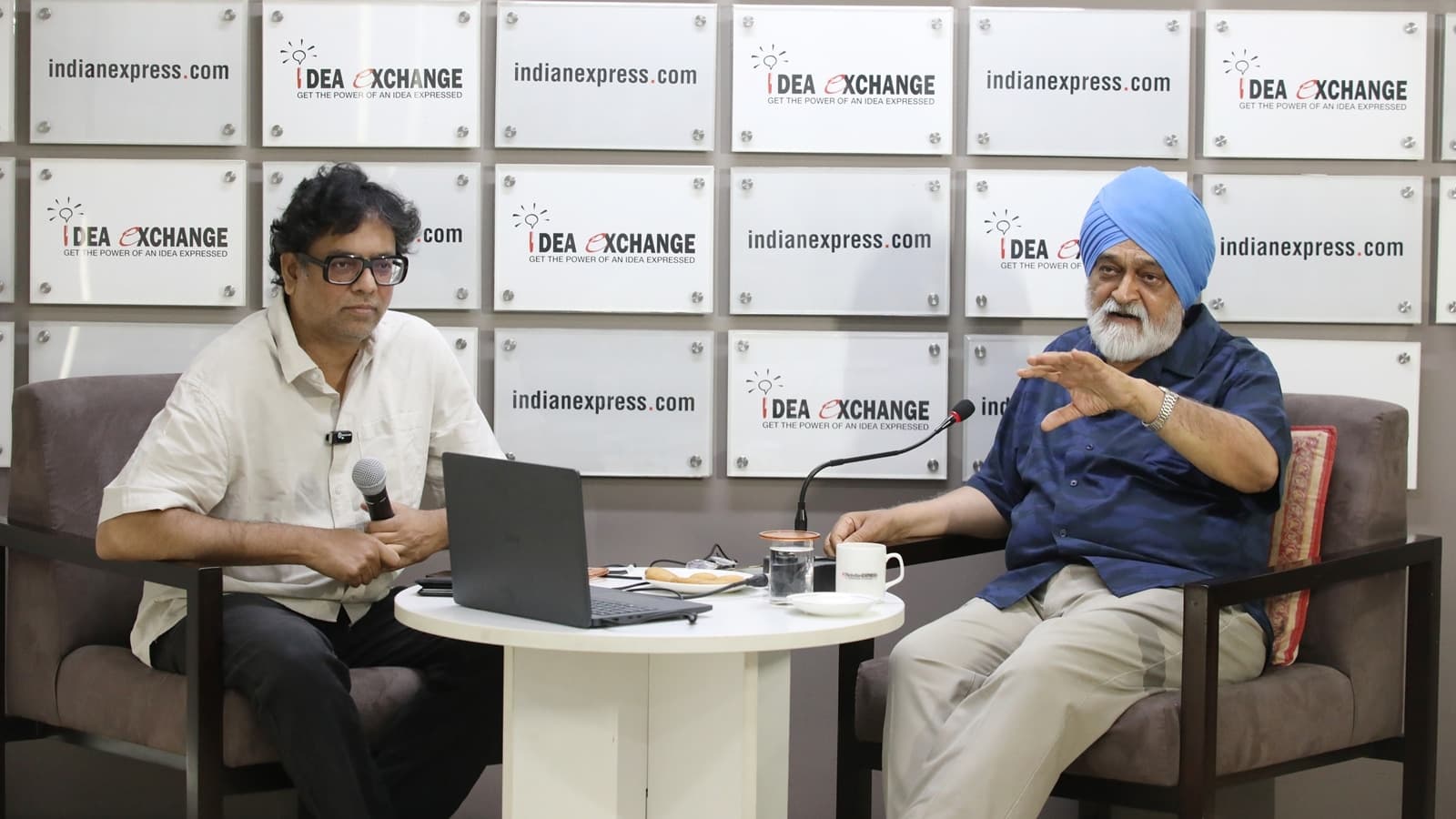
Montek Singh Ahluwalia highlights key economic challenges for India, emphasizing the need for a strategic approach to balance payments and investment.
Indian Express