
Image: Indian Express
Punjab's procurement agencies demand a waiver on storage gain norms due to severe wheat quality issues. Urgent government action is essential!
GlipzoIn a significant development affecting the agricultural landscape, Punjab's Joint Coordination Committee of State Procurement Agencies has raised alarms regarding the deteriorating quality of wheat ahead of the 2026-27 procurement season. The committee has formally requested that the Department of Food, Civil Supplies and Consumer Affairs engage with the central government to secure a complete waiver of the current ‘storage gain’ norms. This plea comes in light of extreme weather conditions that have wreaked havoc on the wheat crops, leading to an urgent need for policy adjustments.
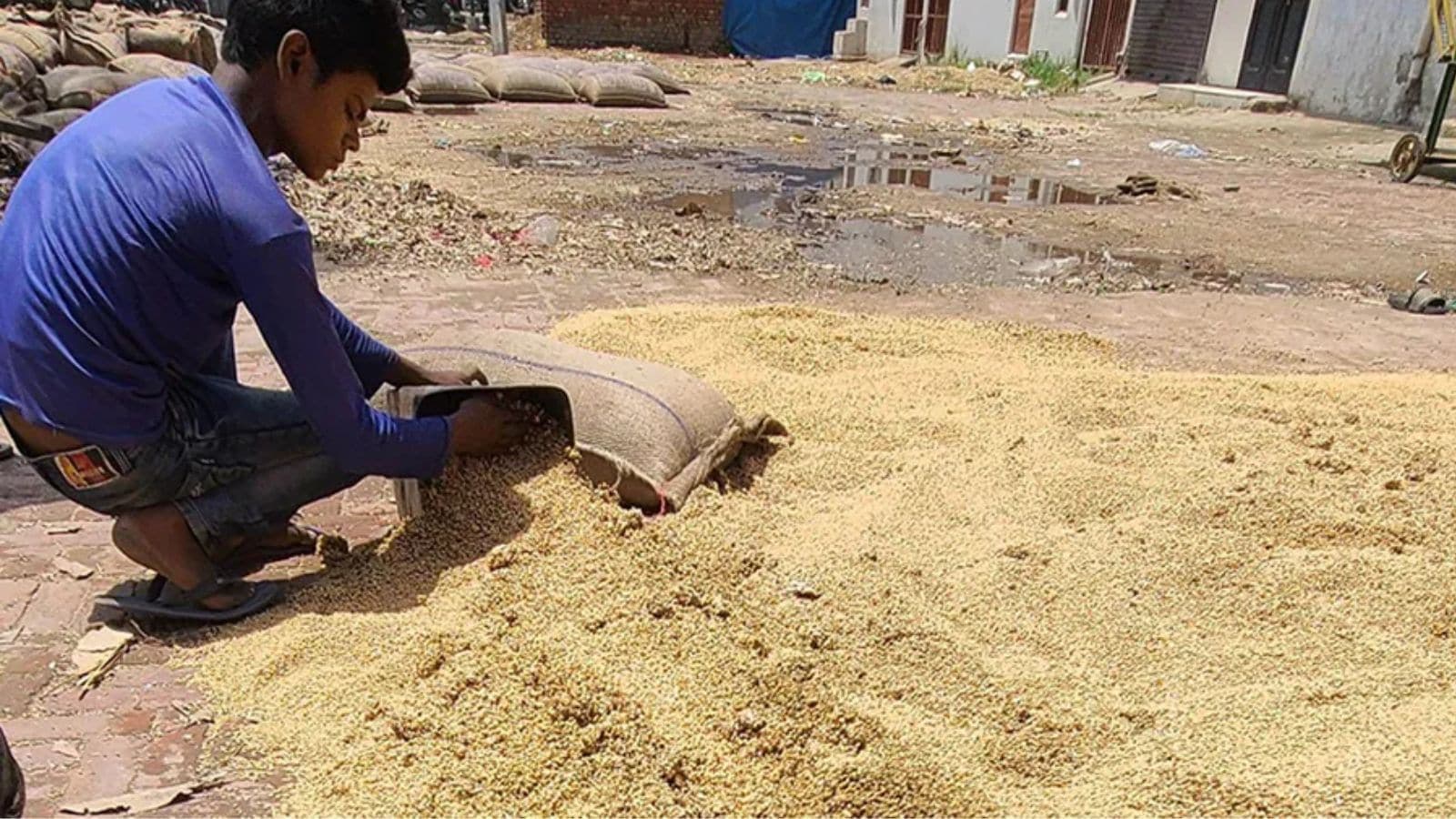
The contents of the letter, shared with The Indian Express, paint a grim picture of the wheat harvest this year. Adverse weather events, particularly heatwaves in February and March, coupled with unseasonal rains and hailstorms during the harvesting period, have resulted in substantial damage to the wheat crops. Consequently, farmers are witnessing a surge in shrivelled and broken grains, damaged kernels, and a significant loss of lustre, alongside increased moisture content in the harvested wheat.
The committee underscored that the central government, via the Ministry of Consumer Affairs, Food and Public Distribution, has already relaxed procurement standards for Fair Average Quality (FAQ) wheat. The updated permissible limits now allow for 15% shrivelled and broken grains and up to 70% lustre loss, while permitting 6% damaged grains. Despite these relaxations, the wheat being procured this season categorizes under Uniform Relaxed Specifications (URS), which indicates a quality that is substantially inferior to standard FAQ wheat.
In its correspondence, the committee emphasized that applying the existing storage gain formula—which is predicated on ideal FAQ conditions—to such subpar wheat is both impractical and scientifically unsound. They cited a study from the Indian Council of Agricultural Research, indicating that storage gain norms are typically based on optimal storage conditions, which are not applicable this year. Rather than gaining weight during storage, this year’s crop is anticipated to lose weight due to moisture evaporation, grain damage, and structural degradation.
The committee's letter also referred to the 2015-16 wheat crop, noting that the Centre had previously reduced storage gain norms by 50% due to similar concerns. However, they argue that the damage this year is even more severe, thus necessitating a complete waiver rather than merely partial relief. This historical context underscores the urgency of the current situation and the need for immediate government intervention.
In addition to quality concerns, the committee flagged a critical shortage of scientific storage facilities across Punjab. With existing state godowns already filled with last year’s stock of wheat and rice, there is considerable risk that the new crop could be stored in less-than-ideal conditions. This could lead to increased susceptibility to infestation, spoilage, and further degradation of quality—a scenario that procurement agencies are keen to avoid.
The committee warned that enforcing the current storage norms could result in significant financial losses and operational challenges for procurement agencies. These agencies would be held accountable for weight variations that are entirely beyond their control, which could lead to extensive complications in the procurement process.
Describing the current circumstances as unprecedented, they implored the government to act swiftly. “The current wheat crop is neither comparable to standard FAQ wheat nor suitable for application of conventional storage norms. A complete waiver of storage gain is essential to ensure fair handling of this year’s crop,” the letter asserted, reflecting the urgency and gravity of the situation.
This situation is particularly critical as Punjab anticipates over 120 lakh tonnes of wheat procurement this season. Addressing the challenges related to storage and handling in a timely manner is essential for safeguarding the interests of farmers and procurement agencies alike.
The plea from the Joint Coordination Committee not only highlights the dire state of Punjab’s wheat quality but also raises broader questions about agricultural resilience in the face of climate change. As the government deliberates on this request, stakeholders will be closely monitoring how these decisions will impact both the current wheat crop and future procurement strategies.
In conclusion, the pressing call for a waiver of storage gain norms reflects a broader need for responsive agricultural policies that can withstand the challenges posed by unpredictable weather patterns. The outcome of this situation could set important precedents for future procurement seasons, emphasizing the need for flexibility and adaptability in agricultural policies.
Stay tuned for updates on this critical issue as it develops, and follow us on social media for the latest news.
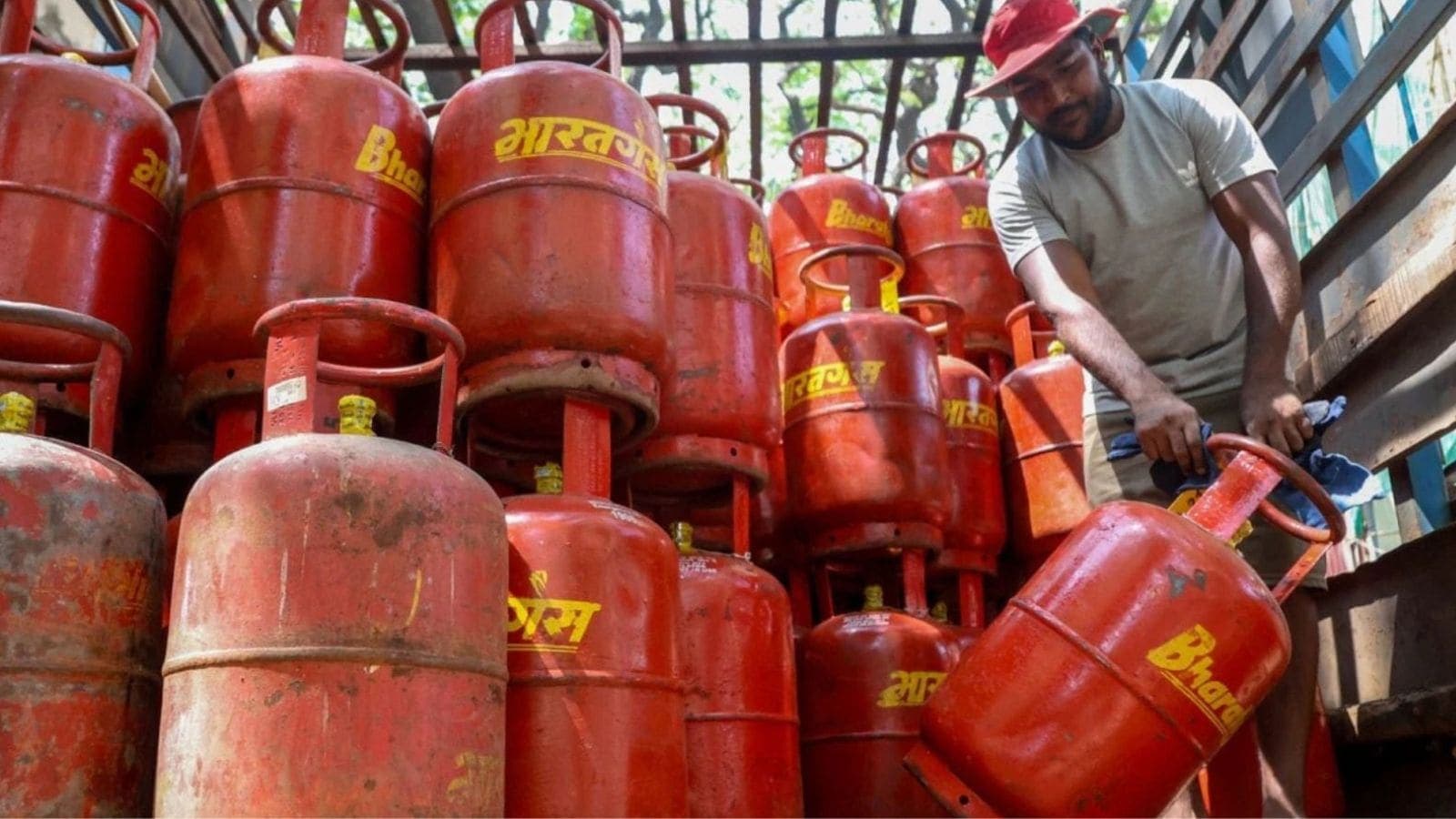
Commercial LPG prices have risen again, with increases of ₹42 in Delhi and ₹53.50 in Kolkata impacting businesses and consumers alike. Find out more.
Indian Express
Discover how a tragic coal mine explosion in Shanxi, China, reveals ongoing safety concerns in the industry amidst a push for green energy.
BBC Business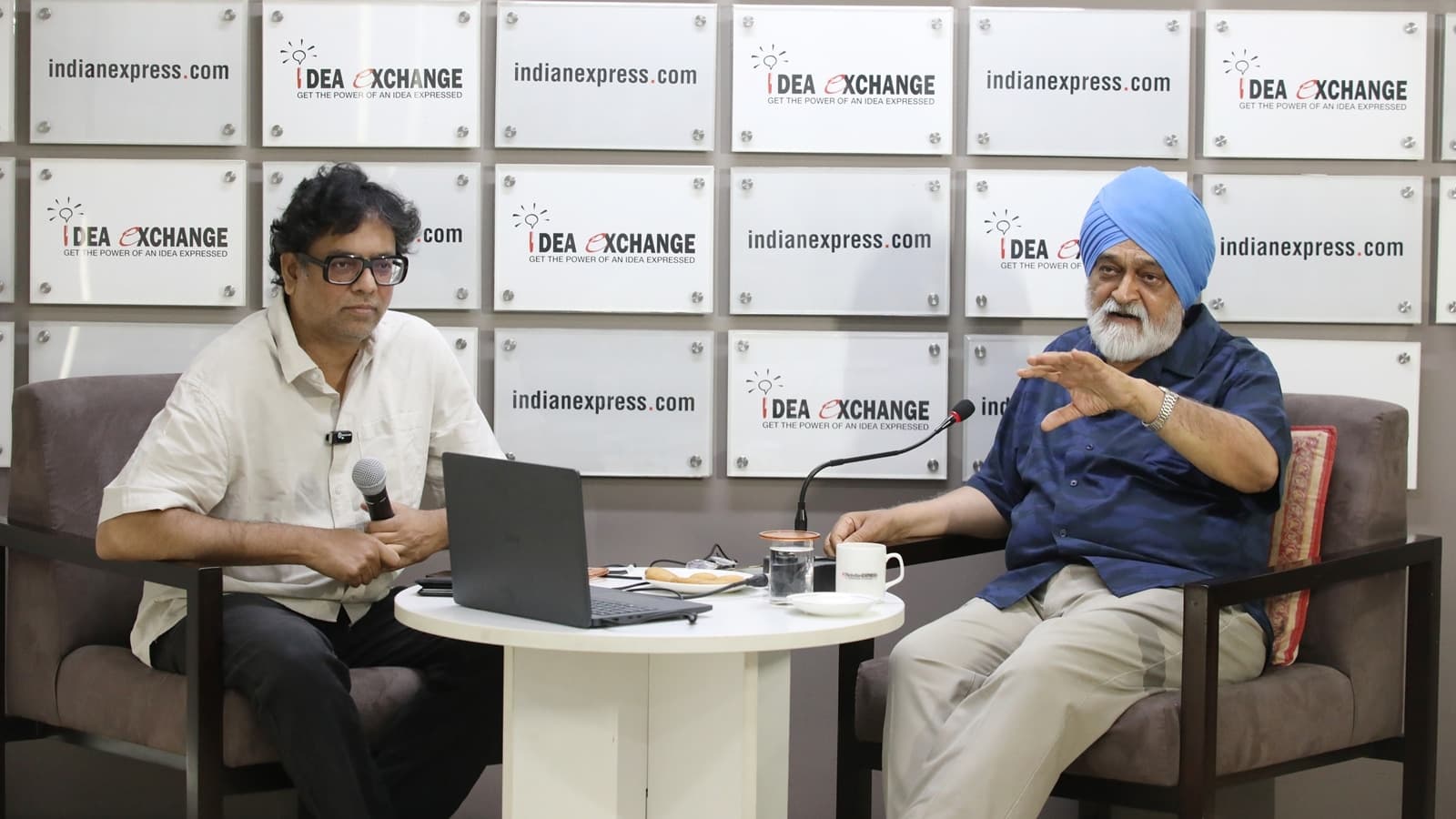
Montek Singh Ahluwalia highlights key economic challenges for India, emphasizing the need for a strategic approach to balance payments and investment.
Indian Express