
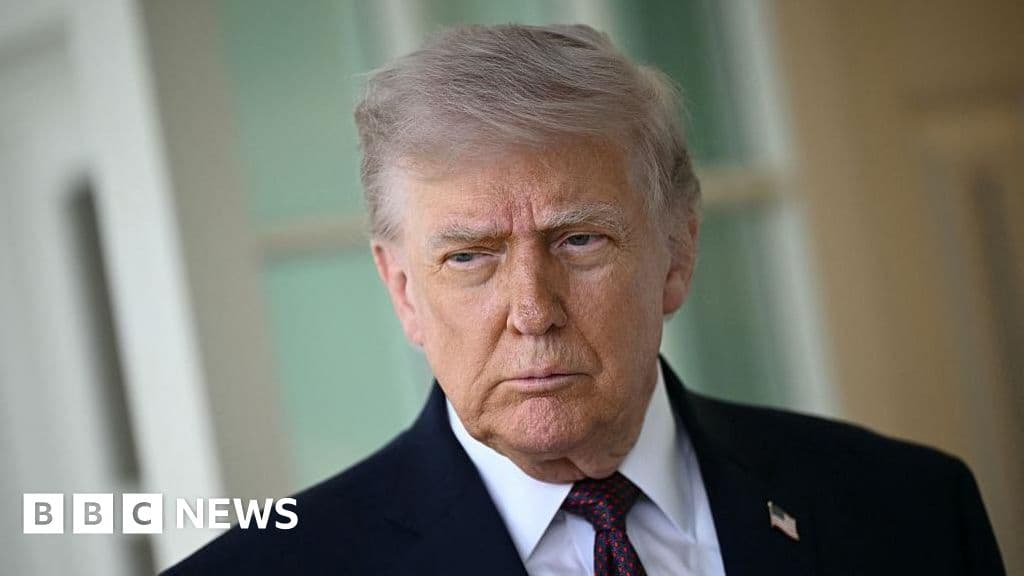
Image: BBC Business
Trump's historic tariff refund program begins, but consumers may miss out. Will businesses share the wealth? Discover the implications of this development.
GlipzoIn a significant development for businesses impacted by tariffs, the Trump administration has initiated the processing of refunds following a US Supreme Court decision in February that invalidated certain tariffs. This move is poised to be one of the largest repayment initiatives in US history, allowing companies to reclaim billions of dollars that they paid under the controversial "Liberation Day" tariffs.
The US Court of International Trade mandated in March that customs officials begin returning over $160 billion collected from importers, benefiting around 330,000 businesses. However, the program poses a conundrum for individual consumers, who may not see any of this relief despite experiencing higher prices due to these tariffs.
Businesses eligible for refunds are those that were charged tariffs under the International Emergency Economic Powers Act (IEEPA). Judge Richard Eaton noted in March that all importers whose entries were subject to IEEPA duties are entitled to refunds. As of early April, more than 56,000 importers had successfully filed for refunds through an online portal, known as Consolidated Administration and Processing of Entries (Cape), which officially launched on Monday. The total claims submitted thus far amount to approximately $127 billion.
A spokesperson from Customs and Border Protection revealed that Cape was specifically designed to streamline the refund process, enabling businesses to receive their refunds as a single lump sum rather than itemized claims. Refunds, along with any applicable interest, are expected to be distributed within 60 to 90 days of application approval.
The reception of the refund process has been varied among businesses. A coalition advocating for tariff refunds, We Pay the Tariffs, reported that while some members have found the application process straightforward, others faced significant delays and technical issues.
Dan Anthony, the executive director of the coalition, described the launch of the portal as a “mixed bag” for small businesses, reflecting a broader concern about potential new tariffs proposed by the Trump administration. These new tariffs could negate any benefits gained from the refunds. For example, Aaron Powell, the founder of Bunch Bikes, expressed optimism about receiving a refund of around $120,000 but acknowledged the challenges faced by other firms that encountered error messages in the application process.
One of the critical issues emerging from this refund initiative is the plight of individual consumers who have suffered from increased prices due to Trump's tariffs. Despite the potential for businesses to receive substantial refunds, there is no mechanism in place to ensure that these funds are passed on to consumers who were indirectly affected.
Some businesses may choose to return a portion of the funds to consumers by lowering prices, but few have made such commitments. Lawsuits are already being filed by consumers against companies that they believe did not absorb the costs of tariffs but instead passed them on. Notable cases have emerged against companies like EssilorLuxottica, FedEx, and Costco, where plaintiffs argue that any refunds should be shared with consumers.
Costco's CEO, Ron Vachris, stated that the retailer intends to pass on any tariff refunds to customers through reduced prices and enhanced value, highlighting a potential path for consumer relief.
As businesses navigate the refund process amidst mixed experiences, there remains an ever-present concern about future tariffs. The prospect of new tariffs slated for July or August looms large, with many companies taking a cautious approach to their finances. Powell articulated this sentiment, stating that his firm is holding off on hiring and significant investments until they have a clearer picture of their financial situation.
The ongoing discussions surrounding tariffs could have lasting effects on both the business landscape and consumer prices. Businesses may remain in a state of uncertainty, impacting their operational strategies and investment decisions. Furthermore, consumers who have been adversely affected by previous tariffs will continue to advocate for justice and compensation.
In conclusion, while the initiation of tariff refunds marks a significant step for businesses, the lack of direct compensation for consumers raises crucial questions about fairness and accountability. As the situation evolves, all eyes will be on the upcoming tariff proposals and their potential impact on the economy. Businesses and consumers alike will be watching closely, hoping for transparency and equitable outcomes. ## Why It Matters This refund program not only influences the financial stability of numerous businesses but also highlights the broader economic consequences of trade policies that affect consumers directly. Understanding these dynamics can help inform future policy decisions and consumer advocacy efforts.
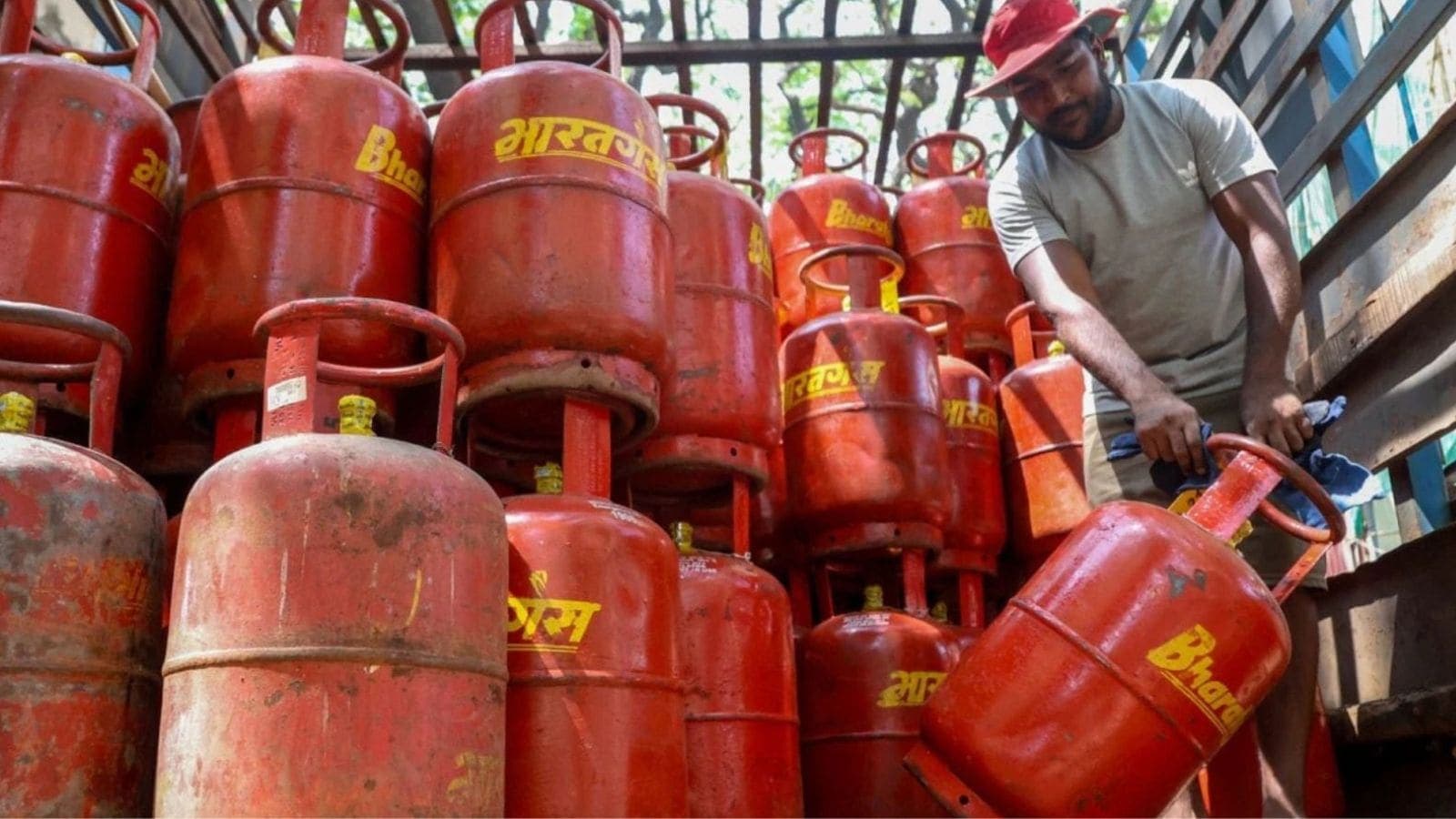
Commercial LPG prices have risen again, with increases of ₹42 in Delhi and ₹53.50 in Kolkata impacting businesses and consumers alike. Find out more.
Indian Express
Discover how a tragic coal mine explosion in Shanxi, China, reveals ongoing safety concerns in the industry amidst a push for green energy.
BBC Business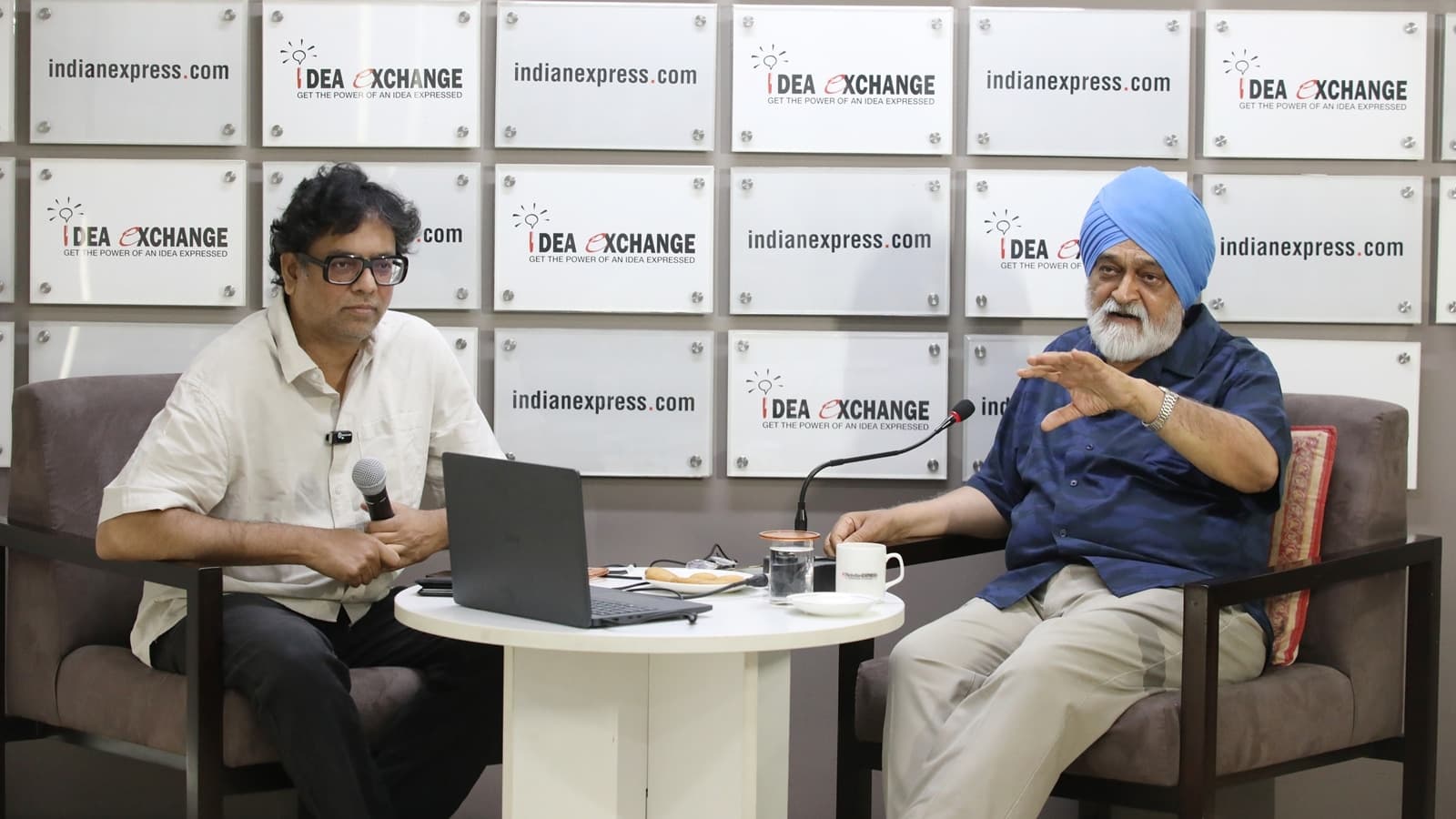
Montek Singh Ahluwalia highlights key economic challenges for India, emphasizing the need for a strategic approach to balance payments and investment.
Indian Express