
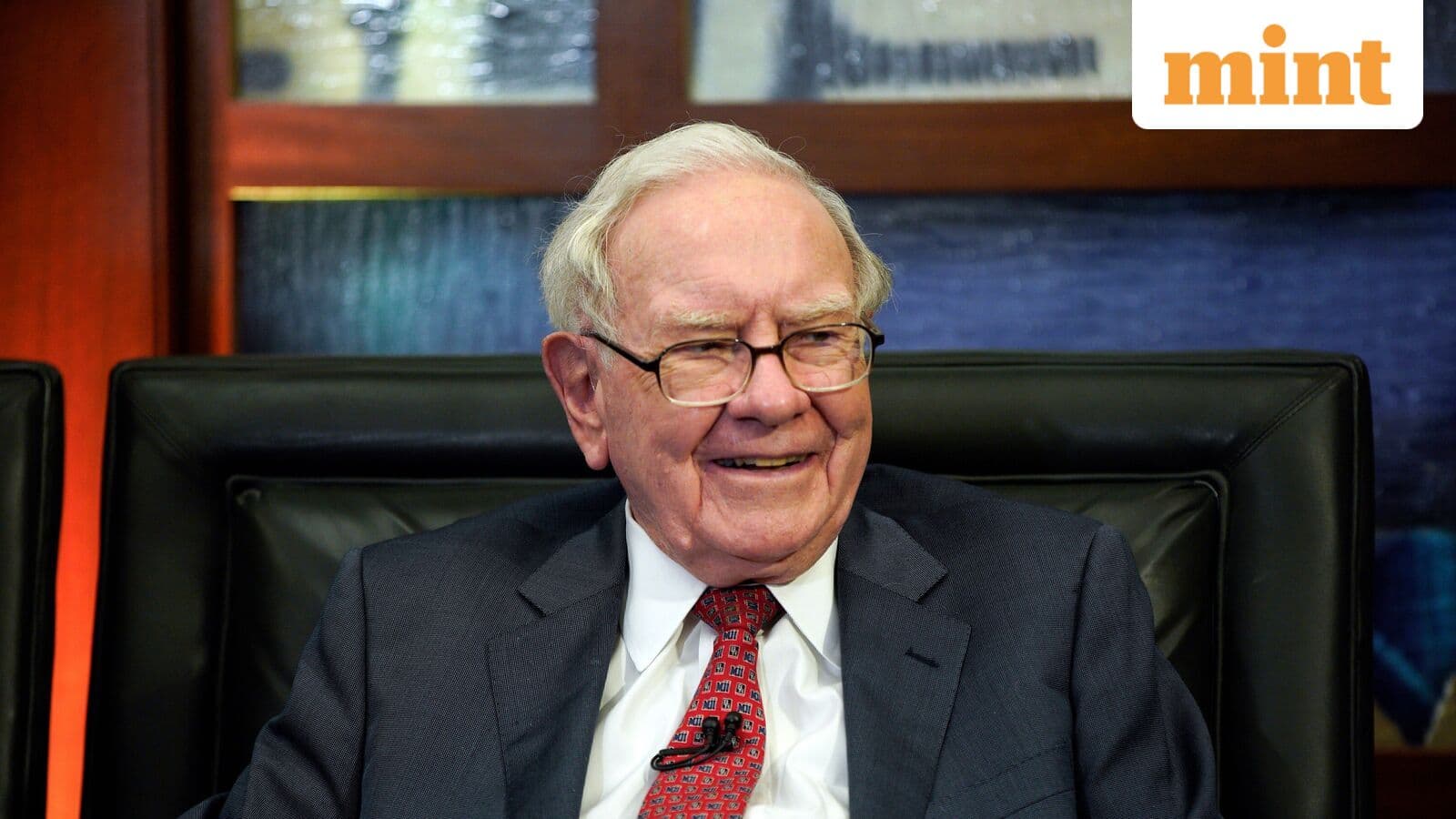
Image: Mint (Business)
Discover Warren Buffett's wisdom on investing: 'Price is what you pay, value is what you get.' Learn its implications for smart investing.
GlipzoWarren Buffett, the renowned founder and chairman of Berkshire Hathaway, has long been a beacon of wisdom in the investment world. His famous quote, “Price is what you pay, value is what you get,” first articulated in his 2008 shareholder letter, encapsulates a fundamental investing principle: the market price of an asset does not necessarily reflect its intrinsic worth. This insight is particularly significant for investors navigating today’s volatile markets.
Understanding the distinction between price and value is crucial for making informed investment decisions. For example, a stock may appear either overvalued or undervalued based on its trading price. However, what’s truly important is the underlying fundamentals of the business, such as its earnings, growth potential, and long-term outlook. These factors are essential in assessing how a company is likely to perform in the future and whether its stock can deliver impressive returns.
Buffett’s message encourages investors to shift their focus from fleeting price movements to the intrinsic value of stocks. He advocates for selecting fundamentally strong companies that are available at a reasonable or discounted price, rather than chasing after trending stocks that may be overhyped. This approach is critical in ensuring better long-term returns.
To break it down further, here’s what investors need to know about price versus value: - Low Price Doesn’t Equal Good Value: Just because a stock is cheap doesn’t mean it’s a wise investment. - High Price Doesn’t Mean No Growth Potential: Conversely, a higher-priced stock can still offer significant growth opportunities. - Beware of Penny Stocks: These stocks often draw investors in with their low entry prices, but they come with significant risks such as lower liquidity and increased volatility.
Buffett’s quote also highlights the importance of patience and discipline in investing. Markets frequently misprice assets due to short-term sentiment, news, or speculation. This creates opportunities for those adept at identifying real value amidst market noise. Investors who adhere to Buffett's philosophy are likely to avoid impulsive decisions that could jeopardize their financial future.
Additionally, investing based on stock price alone can lead to substantial losses, especially in volatile markets. Without a solid strategy grounded in analyzing company fundamentals, investors may find themselves at a disadvantage.
Known as the ‘Oracle of Omaha,’ Buffett is celebrated for his long-term investment approach, which focuses on fundamental analysis and calculated risk-taking. Over his decades-long career, he has imparted invaluable lessons that continue to resonate with traders and investors alike.
Berkshire Hathaway’s investment strategy, which Buffett has championed, avoids speculative trades that could lead to significant losses. Instead, the focus is on: - Strong Balance Sheets: Companies with solid financial foundations. - Predictable Earnings: Businesses that can reliably generate income. - Capable Management Teams: Firms led by competent and visionary leaders.
These elements are considered essential for wealth creation, aligning perfectly with Buffett’s investment philosophy.
Born on August 30, 1930, in Omaha, Nebraska, Warren Buffett’s interest in making money was evident from a young age. His father, Howard Buffett, was a stockbroker and a four-term U.S. congressman, which likely influenced Warren’s early financial pursuits. As a teenager, Buffett sold soft drinks and delivered newspapers, using his earnings to invest in 40 acres of land by the age of 14.
After starting his education at the University of Pennsylvania, he eventually transferred to the University of Nebraska and later attended Columbia University, where he studied under Benjamin Graham, the father of value investing. This mentorship laid the groundwork for Buffett’s investment philosophy.
In 1952, Buffett married Susan Thompson, marking the beginning of a personal and professional journey that would see him and his partner Charlie Munger transform Berkshire Hathaway from a struggling textile company into a multi-billion-dollar conglomerate.
In January 2023, Buffett passed the CEO reins of Berkshire Hathaway to Greg Abel, marking a significant transition in the company’s leadership. However, Buffett’s legendary investment strategies and insights continue to guide the company’s operations.
Looking ahead, investors should pay attention to how Berkshire Hathaway adapts to changing market dynamics under Abel’s leadership. As the investment landscape evolves, Buffett’s emphasis on value over price will remain crucial for long-term success. Investors who embrace his principles are likely to navigate market fluctuations more effectively and build sustainable wealth over time.
Understanding the difference between price and value is not just a catchy phrase; it’s a crucial strategy that can lead to financial success. In an age where market trends can shift rapidly, Buffett’s wisdom provides a steady compass for investors seeking to grow their portfolios wisely. By focusing on fundamental analysis and maintaining discipline, investors will be better positioned to capitalize on opportunities and mitigate risks in their investment journeys.

Commercial LPG prices have risen again, with increases of ₹42 in Delhi and ₹53.50 in Kolkata impacting businesses and consumers alike. Find out more.
Indian Express
Discover how a tragic coal mine explosion in Shanxi, China, reveals ongoing safety concerns in the industry amidst a push for green energy.
BBC Business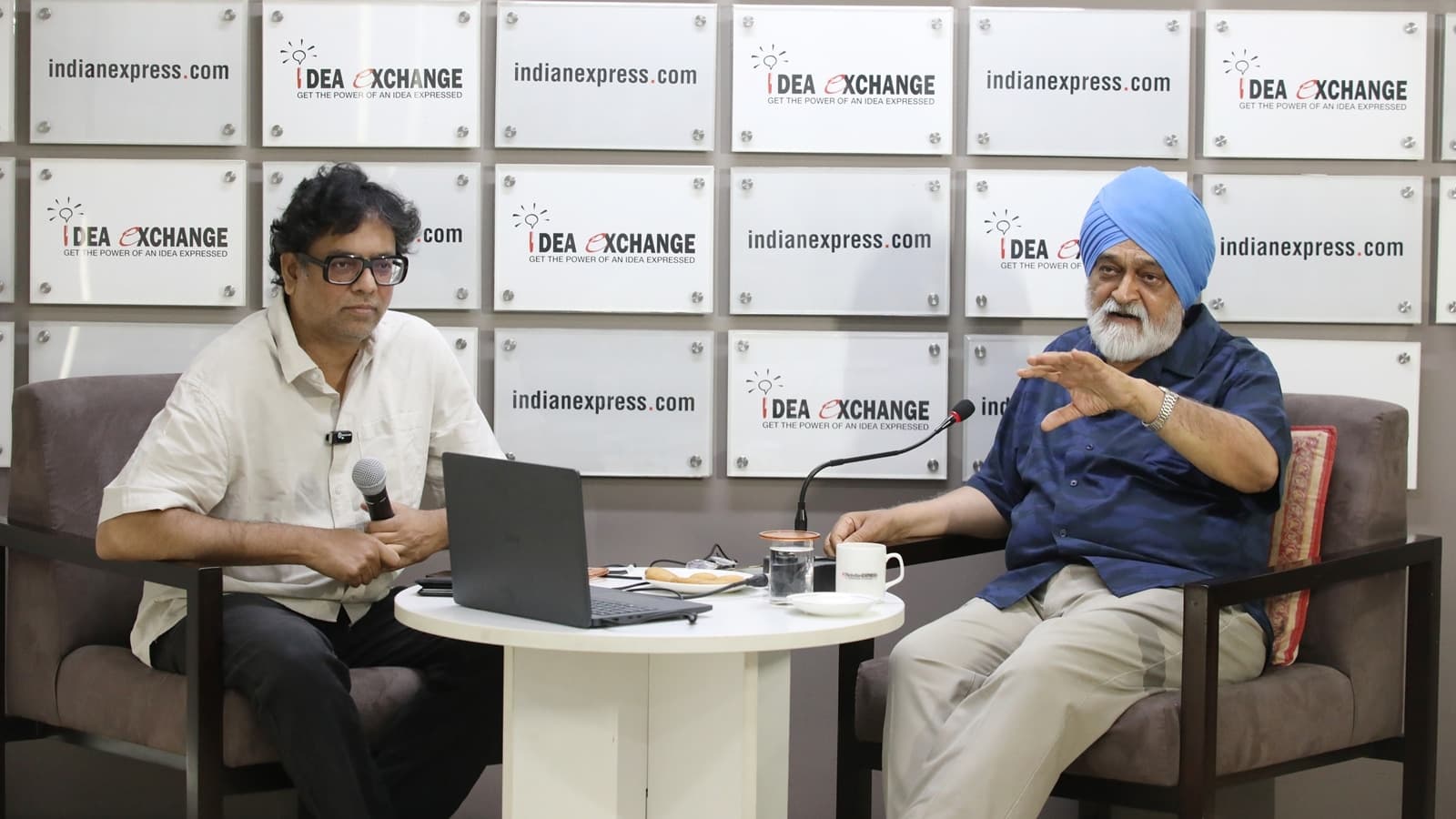
Montek Singh Ahluwalia highlights key economic challenges for India, emphasizing the need for a strategic approach to balance payments and investment.
Indian Express