

Image: The Hindu
Discover how the LPG crisis is causing vegetable prices to plummet in Bengaluru just ahead of Ugadi, impacting both consumers and local eateries.
GlipzoAs the festive season of Ugadi approaches, a surprising twist has emerged in Bengaluru's market dynamics. Due to an ongoing LPG crisis, essential vegetable prices have sharply decreased despite the usual surge in demand associated with the celebrations. This situation offers a unique insight into the intersection of supply, demand, and external factors affecting the local economy.
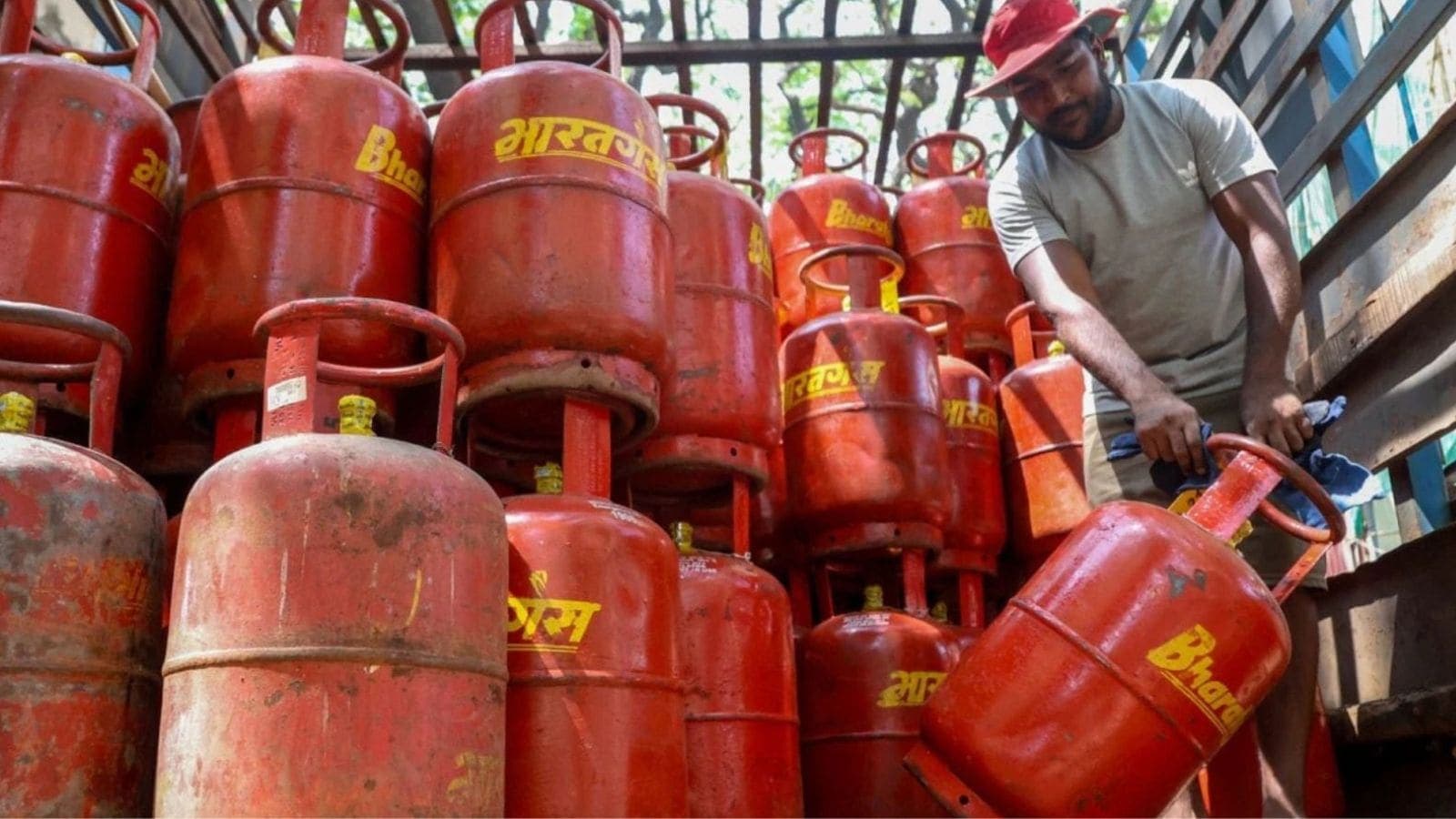
The LPG crisis has significantly affected the operations of many restaurants and street-side eateries in the city, which are major consumers of key vegetables such as cauliflower, capsicum, potatoes, and tomatoes. With cooking constraints in place, many of these businesses have either curtailed their purchases or temporarily closed their doors. This has created a surplus of vegetables in the market, resulting in a notable decline in prices during what would typically be a peak buying season.
Traders in Bengaluru report that the current supply of vegetables is robust, yet the demand has dwindled drastically. The dual impact of reduced restaurant activity and increased market supply has led to a situation where prices have fallen significantly. In a festive season that usually sees a rise in vegetable prices due to heightened demand, the current scenario is quite counterintuitive.
Here are some key points to consider regarding the vegetable price downturn: - High Supply: The market is flooded with vegetables, leading to decreased prices. - Reduced Demand: Restaurants and small eateries are scaling back purchases due to cooking fuel shortages. - Festive Impact: Typically, prices rise leading up to Ugadi, but the current crisis has reversed this trend.
For everyday consumers, this price drop may seem like a silver lining amidst the LPG crisis, allowing families to stock up on essential groceries at lower costs. However, the underlying issues affecting the food service industry are a cause for concern. As small eateries play a vital role in the local economy, their struggles may lead to broader implications for employment and food access in the community.
Many customers are taking advantage of this situation, purchasing vegetables at significant discounts. The following vegetables have seen the most substantial price reductions: - Cauliflower - Capsicum - Potatoes - Tomatoes
The current landscape poses challenges for suppliers and traders who must navigate the complexities of fluctuating demand and excess inventory.
The ongoing LPG crisis not only affects the prices of vegetables but also highlights the vulnerability of the food service sector and the ripple effects on local economies. The reliance on LPG for cooking underscores the importance of stable energy supplies in maintaining operational continuity for food businesses.
As the situation develops, several factors will determine the future trajectory of both vegetable prices and the broader economic landscape: - Resolution of the LPG crisis: A swift resolution could restore normalcy in purchasing patterns for restaurants and street vendors, leading to price stabilization. - Consumer Behavior: As consumers adjust to the current pricing, their buying habits may change, impacting future supply and demand dynamics. - Economic Recovery Strategies: Local governments and industry leaders may need to implement measures to support struggling eateries and ensure food access for all.
As Bengaluru approaches Ugadi, it will be critical to monitor how the LPG crisis evolves and its impact on the food supply chain. Will the market stabilize, or will further fluctuations occur as demand potentially rebounds during the festive celebrations?
Future observances will include: - Price Trends: Tracking if vegetable prices recover as restaurants reopen and demand increases. - Government Actions: Possible interventions from local authorities to address the LPG crisis and support affected businesses. - Consumer Sentiment: Changes in public perception regarding dining out and purchasing from local eateries in light of the current challenges.
In summary, while the drop in vegetable prices may benefit consumers in the short term, the implications for the food service sector and local economy remain profound. The interplay between supply shortages, demand fluctuations, and external crises like the LPG situation will be critical to watch in the coming weeks.
Commercial LPG prices have risen again, with increases of ₹42 in Delhi and ₹53.50 in Kolkata impacting businesses and consumers alike. Find out more.
Indian Express
Discover how a tragic coal mine explosion in Shanxi, China, reveals ongoing safety concerns in the industry amidst a push for green energy.
BBC Business
Montek Singh Ahluwalia highlights key economic challenges for India, emphasizing the need for a strategic approach to balance payments and investment.
Indian Express