
Image: BBC World
The U.S. is mulling lifting sanctions on Iranian oil to ease energy prices amid a crisis, but experts warn of potential consequences.
GlipzoIn a surprising turn of events, the United States is contemplating the possibility of lifting sanctions on specific Iranian oil exports. This decision comes as the nation grapples with the repercussions of its ongoing war in Iran, which has significantly disrupted global energy markets, leading to soaring oil prices worldwide. Treasury Secretary Scott Bessent discussed this potential policy shift during an interview on Fox Business, indicating that easing restrictions may provide additional oil supplies to international buyers.
As energy prices continue to escalate due to the war's impact on shipping and production, the proposal to lift sanctions represents a dramatic shift in longstanding American policy regarding Iranian oil. However, experts caution that the potential benefits of such a move remain uncertain. "To put it mildly, this is bananas," remarked David Tannenbaum, the director of Blackstone Compliance Services, a consultancy that specializes in maritime sanctions. He expressed concerns that allowing Iran to sell oil could inadvertently strengthen the regime financially, which the U.S. is actively seeking to undermine.
Prior to the conflict, China was the dominant buyer of Iranian oil, purchasing it at deeply discounted rates due to the sanctions imposed by the U.S. and its allies. In Bessent's interview, he elaborated on the potential benefits of a waiver on sales restrictions, suggesting it could redirect supplies to countries like India, Japan, and Malaysia, while compelling China to purchase oil at market prices.
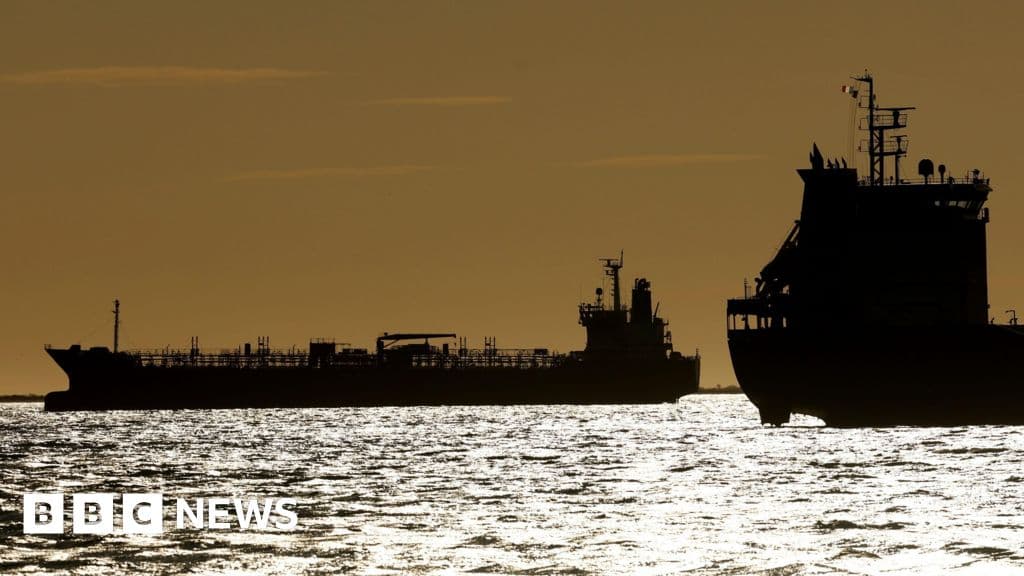
Bessent noted that the U.S. is considering the removal of sales restrictions on about 140 million barrels of Iranian oil currently at sea. He estimated that this could lead to a temporary drop in global oil prices for a period of 10 to 14 days. However, the details surrounding how this waiver would be implemented remain vague, particularly regarding measures to ensure that proceeds do not support the Iranian government.
Despite the potential for increased oil supply, experts warn that the actual impact on global prices may be minimal. The supply under consideration represents a fraction of the overall daily demand for oil, which stands at about 100 million barrels globally. Rachel Ziemba, an adjunct senior fellow at the Center for a New American Security, stated, "It could add a little bit ... but I don't think it's a game changer, and it raises a whole lot of questions."
Additionally, the U.S. has been exploring other avenues to stabilize oil prices, including the release of millions of barrels from its reserves and recently suspending some sanctions on Russian oil. This latter decision faced backlash from European leaders, who argued it would bolster Vladimir Putin's regime and extend the conflict in Ukraine. It remains to be seen if Bessent's proposal will elicit a similar response domestically, particularly given that the House of Representatives recently passed a bill aimed at reinforcing sanctions on Iran's oil sector.
The political landscape surrounding this proposal is complex. Mike Lawler, a Republican representative from New York, who sponsored the aforementioned sanctions bill, has not commented on the potential for lifting sanctions on Iranian oil. Similarly, Senator Jeanne Shaheen, the leading Democrat on the foreign affairs committee, has remained silent on the issue. Ziemba expressed skepticism about the U.S. wanting the revenue from oil sales to benefit the Iranian government but acknowledged the practical difficulties in controlling the funds.
The fact that the U.S. administration is even considering relaxing sanctions highlights a growing urgency to address the current energy crisis. Ziemba noted, "The U.S. government is definitely in an every-barrel-counts situation due to the scale of the supply shock. They're looking to find additional oil wherever they can."
A significant portion of the world’s oil supply, approximately 20%, typically transits through the Strait of Hormuz, a strategic waterway along Iran's coastline. However, since the onset of the war at the end of February, shipping activities in this critical channel have experienced severe disruptions. This situation has raised alarms about the stability of global oil supplies and prices.
As the U.S. weighs the implications of lifting sanctions on Iranian oil, the focus will likely remain on how such a decision might influence international relations and the ongoing conflict in Iran. Stakeholders are keenly watching how this evolving situation develops, particularly regarding potential pushback from lawmakers and allies.
As discussions continue about this potential policy shift, the U.S. must carefully navigate the complexities of its relationship with Iran, global oil markets, and domestic political pressures. What happens next could redefine the future of U.S.-Iran relations and significantly impact energy prices worldwide. Will the administration prioritize immediate relief for consumers, or will it maintain a firm stance on sanctions?
In the coming weeks, watchers will be looking for further statements from the Treasury Department and responses from Congress as the Biden administration seeks to address these pressing energy concerns while balancing its foreign policy objectives. The outcome of this situation remains uncertain, but it is clear that the stakes are high for both the U.S. and the global energy market.
Commercial LPG prices have risen again, with increases of ₹42 in Delhi and ₹53.50 in Kolkata impacting businesses and consumers alike. Find out more.
Indian Express
Discover how a tragic coal mine explosion in Shanxi, China, reveals ongoing safety concerns in the industry amidst a push for green energy.
BBC Business
Montek Singh Ahluwalia highlights key economic challenges for India, emphasizing the need for a strategic approach to balance payments and investment.
Indian Express