
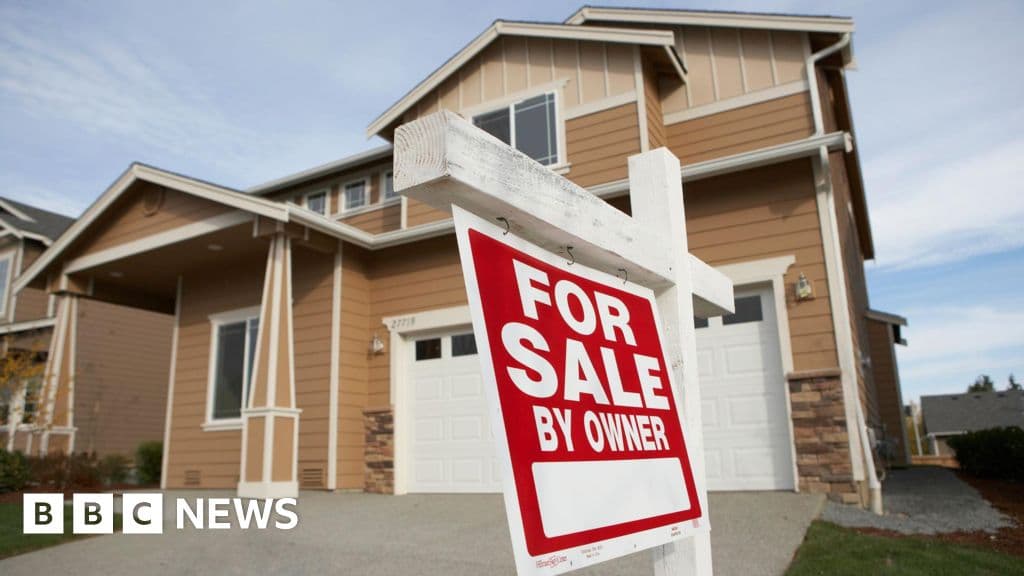
Image: BBC Business
The U.S. housing market is facing a significant downturn due to rising mortgage rates linked to the Iran conflict. What does this mean for buyers and sellers?
GlipzoThe U.S. housing market is currently experiencing significant distress, with sales plummeting due to rising mortgage rates exacerbated by geopolitical tensions surrounding the U.S.-Israeli conflict in Iran. As the conflict escalates, prospective home buyers are feeling increasingly hesitant, leading to what many are calling a state of paralysis in the housing market.
In March, the National Association of Realtors (NAR) reported a staggering 3.6% decline in home sales from the previous month, marking the lowest sales figures in nine months. With only 3.98 million existing home sales recorded, this downturn is indicative of a market already strained before the war escalated.
The average interest rate for a typical 30-year fixed mortgage surged to 6.37% last week, a noticeable increase from 5.98% prior to the onset of military actions in February. This spike in rates is primarily driven by expectations that the U.S. Federal Reserve may maintain current interest levels to combat inflation, which complicates the housing recovery that analysts had anticipated for 2026.
Andrew Vallejo, a seasoned real estate agent from Austin, Texas, noted, "Some buyers feel like they're frozen—unsure how to make their decisions due to rapidly evolving events beyond our control." This sentiment reflects broader concerns over how the conflict may influence the economy and, subsequently, housing demand.
The decline in sales figures is also linked to a fall in consumer confidence, coupled with vulnerabilities in the U.S. job market. According to Thomas Ryan, a North America economist at Capital Economics, these factors are direct consequences of the ongoing conflict in Iran. He pointed out that we are witnessing a “knock-on effect” that is weakening housing demand across the country.
Moreover, Dr. Lawrence Yun, NAR's chief economist, emphasized that the economic uncertainty has led to a significant decrease in consumer confidence, further complicating the housing landscape. The current median home price has risen to $408,800 (£304,000), reflecting a 1.4% increase from the previous year, driven partly by limited housing supply.
As the conflict continues, there are fears that escalated energy prices could trigger a broader economic slowdown. Vallejo stated, "It's a topic of concern that we're all aware of because it would make people lose jobs." This potential downturn could lead to even greater hesitance among buyers and sellers alike, as uncertainty looms over the housing market.
As we move forward, the outlook for the U.S. housing market remains uncertain. Analysts will be closely watching the Federal Reserve's decisions regarding interest rates and how they respond to inflation. The ongoing conflict in Iran is likely to continue influencing economic conditions, making it imperative for potential buyers to stay informed about both local and global developments.
In addition, it’s essential for sellers to adjust their expectations in this volatile environment. Many had hoped for a more stable year, only to find that the geopolitical landscape has introduced a level of unpredictability they hadn’t anticipated.
In conclusion, the combination of rising mortgage rates, decreased consumer confidence, and geopolitical tensions creates a complex landscape for U.S. home buyers and sellers. As they navigate this challenging environment, staying informed and adaptable will be key to making sound decisions in the coming months.
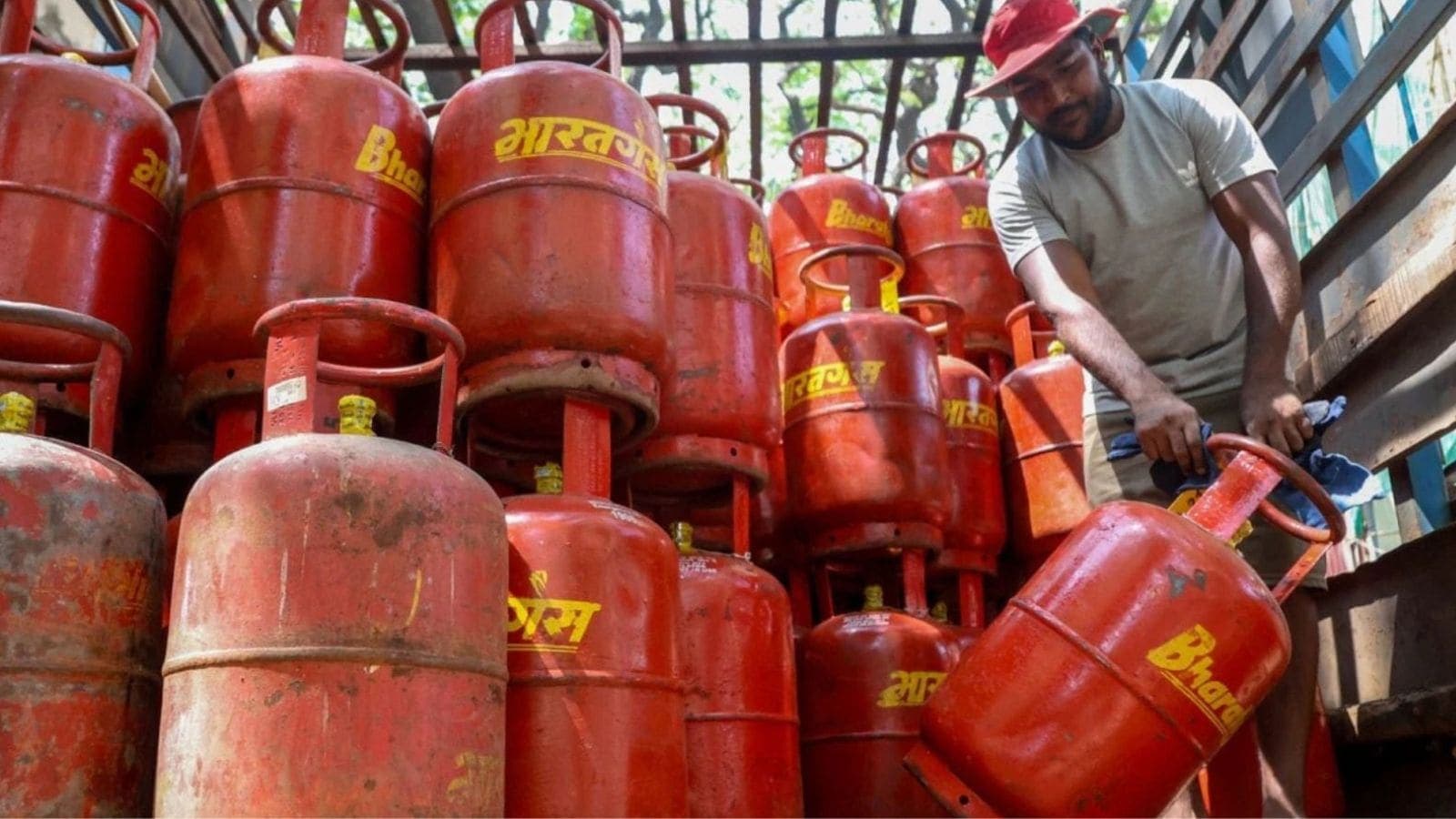
Commercial LPG prices have risen again, with increases of ₹42 in Delhi and ₹53.50 in Kolkata impacting businesses and consumers alike. Find out more.
Indian Express
Discover how a tragic coal mine explosion in Shanxi, China, reveals ongoing safety concerns in the industry amidst a push for green energy.
BBC Business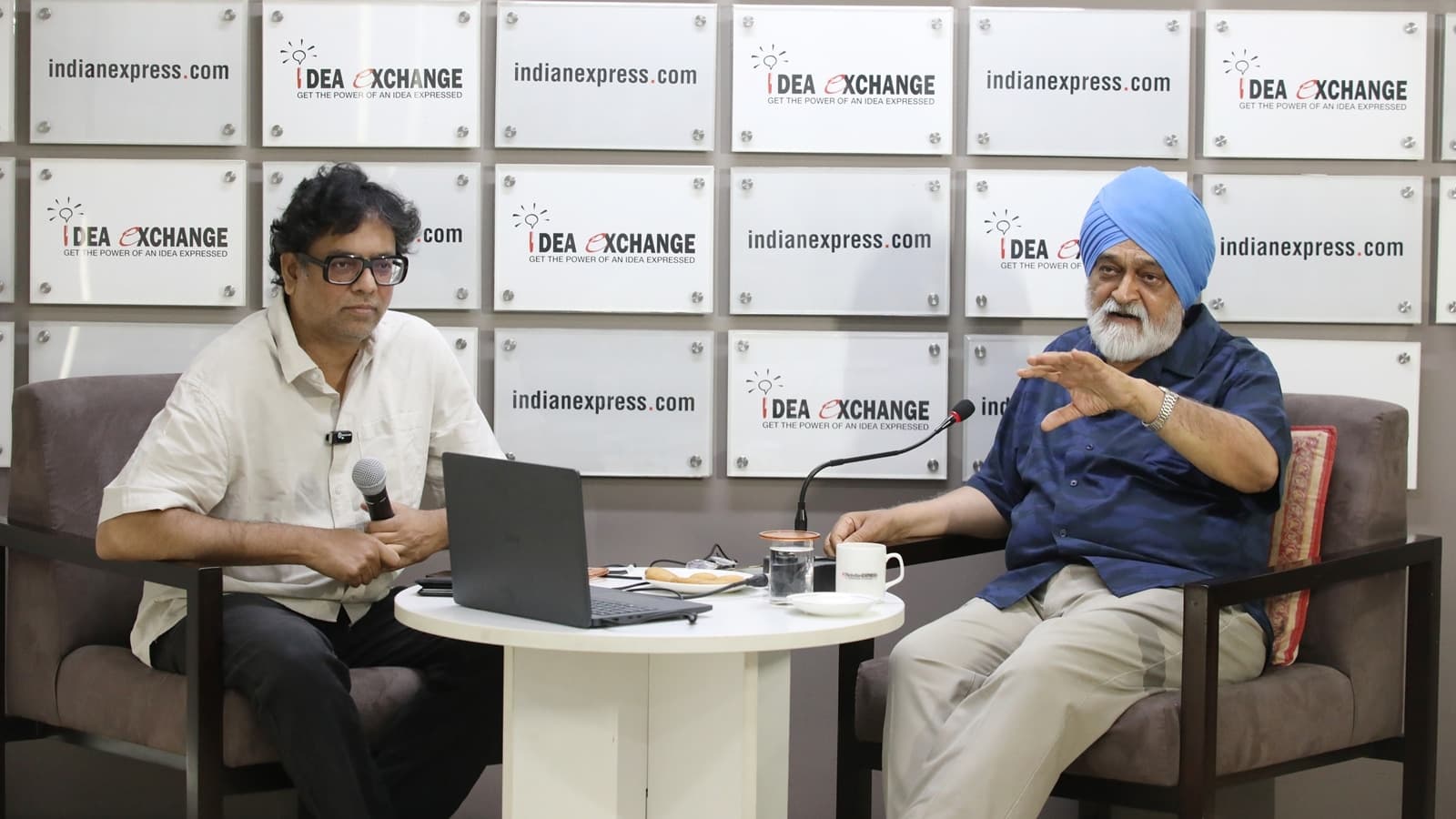
Montek Singh Ahluwalia highlights key economic challenges for India, emphasizing the need for a strategic approach to balance payments and investment.
Indian Express