

Image: Times of India
The U.S. Federal Reserve maintains interest rates amid rising global uncertainty, particularly due to the Iran conflict. What does this mean for the economy?
GlipzoIn a significant announcement on September 20, 2023, the U.S. Federal Reserve opted to keep interest rates steady, signaling a cautious approach amidst growing global uncertainties, particularly the ongoing conflict in Iran. This decision comes as the Fed grapples with the delicate balance between fostering economic growth and controlling inflation, which has been a primary focus throughout the year.
The Federal Open Market Committee (FOMC) unanimously decided to maintain the current interest rate range of 5.25% to 5.50%. This holds significant implications for various sectors, including housing, consumer spending, and corporate borrowing. The Fed’s Chair, Jerome Powell, stated in the post-meeting press conference, "We are committed to our dual mandate of promoting maximum employment and stabilizing prices, but we must also remain vigilant in light of global events that may impact our economy."
Investors and economists were closely watching the Fed's decision as it reflects the central bank's assessment of the U.S. economy and its response to geopolitical tensions. The ongoing situation in Iran has raised concerns about potential effects on global oil prices and overall economic stability, which could influence inflation rates moving forward.
The ongoing war in Iran has created a ripple effect across global markets, prompting fears of oil supply disruptions and increased costs. As the situation unfolds, the Fed is mindful of how these developments could impact inflationary pressures in the U.S. economy. With energy prices often being a key driver of inflation, any significant fluctuation could force the Fed to reconsider its current policy path.
Key points from the Fed's recent meeting include: - Inflation remains a priority: The Fed acknowledged that inflation rates, while showing some signs of cooling, are still above the desired target of 2%. - Interest rates are likely to remain steady for now: The decision to hold rates steady indicates that the Fed is weighing the impacts of external factors like the Iran conflict while trying to support domestic growth. - Future rate hikes are on the table: Powell hinted at potential rate adjustments if economic conditions change significantly or if inflation shows signs of once again accelerating.
For consumers, the Fed's decision to keep interest rates unchanged means that borrowing costs will remain stable for the time being. This is particularly important for individuals considering home purchases or loans. The housing market, which has been sensitive to interest rate changes, may continue to see moderate activity as potential buyers have one less concern regarding financing.
Businesses, too, will benefit from the Fed's cautious approach. With steady interest rates, companies can plan investments and expansions without the immediate worry of increased borrowing costs. However, the uncertainty surrounding global events, particularly the conflict in Iran, means that businesses must remain agile and responsive to changing conditions.
The Fed's decision to maintain interest rates amid international tensions is a critical indicator of its strategy to navigate the complex economic landscape. As inflation remains a key concern, the balance between growth and price stability is more crucial than ever. The Fed's actions will likely influence future economic policies and consumer confidence.
As we move forward, all eyes will be on the evolving situation in Iran and its implications for the U.S. and global economy. The Fed has indicated that it will be prepared to act should inflationary pressures emerge or if economic growth wanes significantly. Market analysts will be watching economic indicators closely, including employment figures and consumer spending trends, as these will serve as critical barometers for the Fed's next moves.
In conclusion, the Federal Reserve's decision to hold interest rates steady underscores the delicate balance it must strike in an increasingly complex global environment. With geopolitical tensions influencing economic stability, stakeholders must stay informed and prepared for any shifts in policy that may arise in response to these challenges.
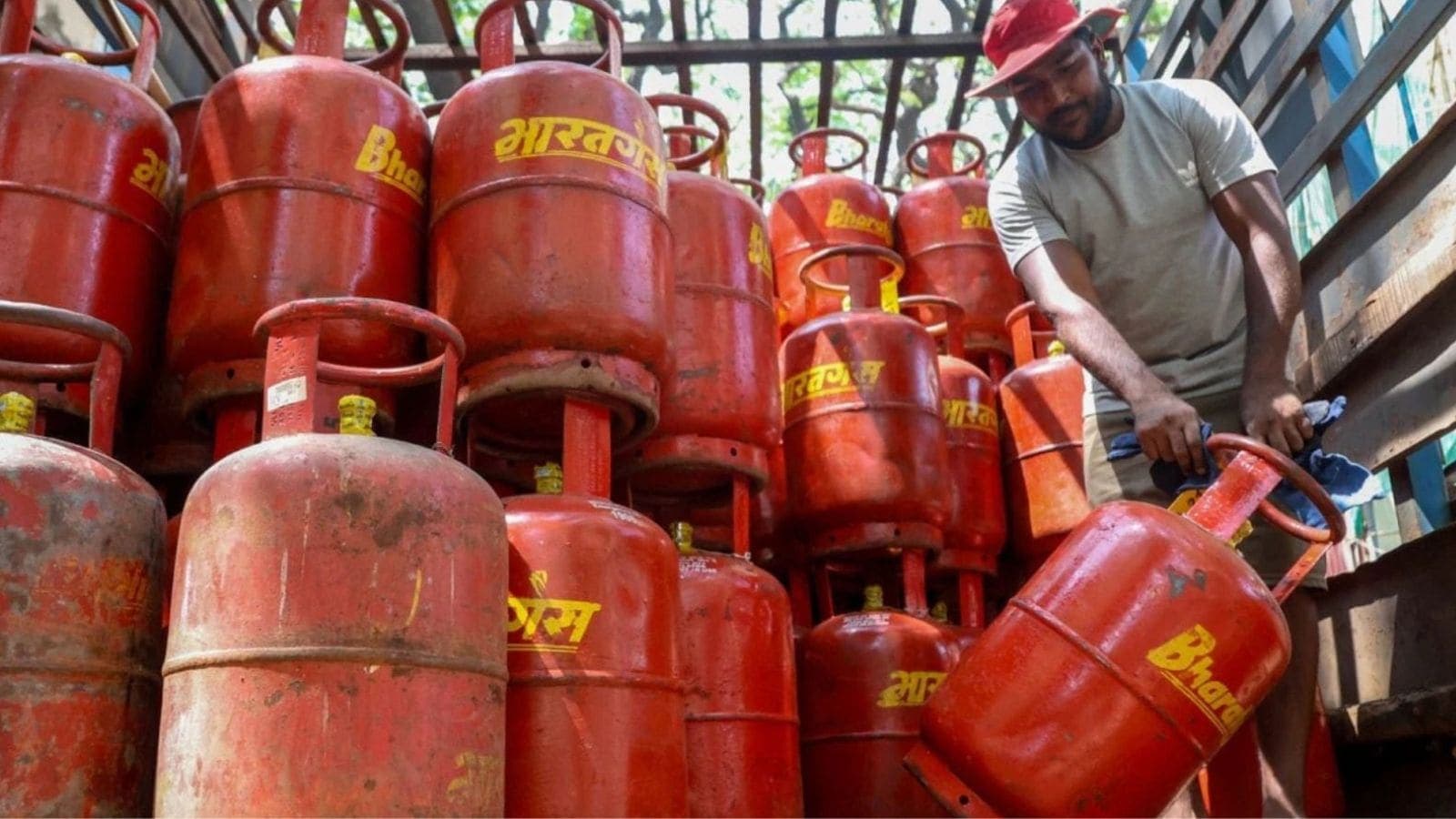
Commercial LPG prices have risen again, with increases of ₹42 in Delhi and ₹53.50 in Kolkata impacting businesses and consumers alike. Find out more.
Indian Express
Discover how a tragic coal mine explosion in Shanxi, China, reveals ongoing safety concerns in the industry amidst a push for green energy.
BBC Business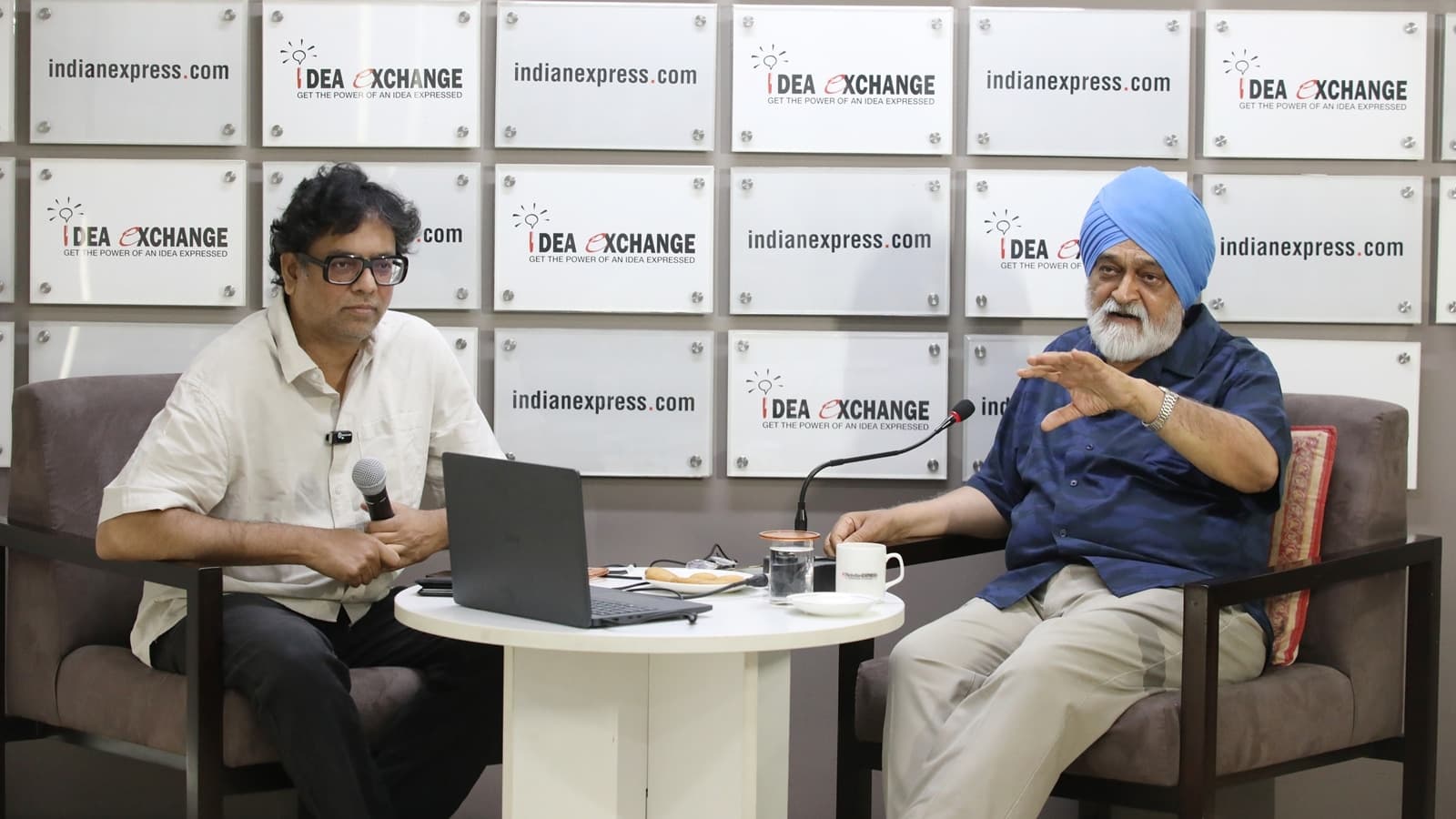
Montek Singh Ahluwalia highlights key economic challenges for India, emphasizing the need for a strategic approach to balance payments and investment.
Indian Express