
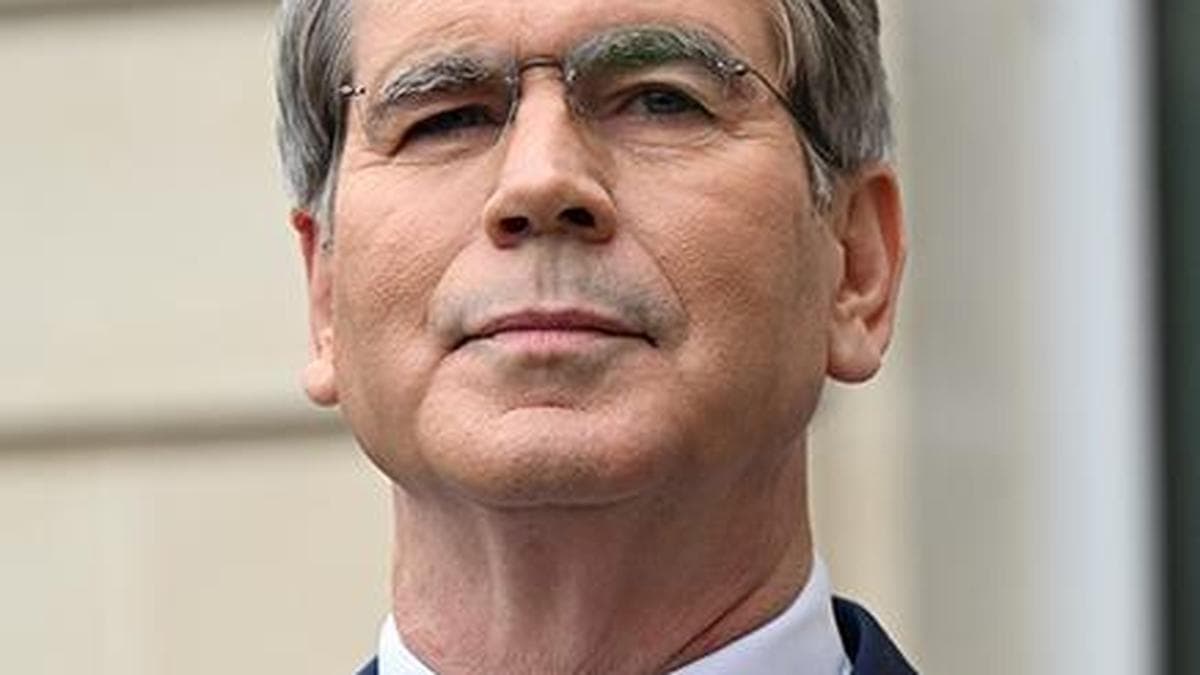
Image: The Hindu
U.S. Treasury Secretary Scott Bessent suggests lifting sanctions on Iranian oil to boost global supply and reduce soaring prices. What’s next for oil markets?
GlipzoIn a significant development for the global oil market, U.S. Treasury Secretary Scott Bessent announced that the United States might soon lift sanctions on approximately 140 million barrels of Iranian oil currently stranded in tankers. This decision, he stated, aims to alleviate global oil supply constraints and potentially lower soaring oil prices, which have recently surpassed $100 per barrel.
During an appearance on Fox Business Network’s "Mornings with Maria" on March 19, 2026, Bessent explained that this move could provide a much-needed boost to the oil supply over the coming 10 to 14 days. "In the coming days, we may unsanction the Iranian oil that’s on the water,” he remarked, emphasizing the urgency to stabilize the market.
The backdrop of this potential policy shift is critical. Oil prices have been under pressure mainly due to Iran's recent military actions, which included closing the Strait of Hormuz, a vital passage for oil shipments, and attacking commercial tankers. The Strait of Hormuz is particularly significant as it is a key transit route for oil, and its blockage has led to fears of supply shortages, further exacerbating price increases.
Bessent's announcement comes shortly after the U.S. Treasury allowed the sale of sanctioned Russian oil that had also been stranded, which reportedly added about 130 million barrels to the global oil supply. By considering a similar approach for Iranian oil, the U.S. is taking steps to counteract the 10 million to 14 million barrel-per-day deficit caused by geopolitical tensions.
In addition to the potential lifting of sanctions on Iranian oil, Bessent highlighted other measures the U.S. government is contemplating to enhance oil availability: - Unilateral release of stocks from the Strategic Petroleum Reserve, exceeding last week’s G-7 coordinated release of 400 million barrels. - Ensuring physical supplies to compensate for the disruptions in the oil market, while explicitly stating that the U.S. would refrain from intervening in oil futures markets.
Bessent clarified, "We’re not intervening in the financial markets. We are supplying the physical markets." This delineation underscores the U.S. government's focus on tangible supply levels rather than speculative trading.
In a related diplomatic move, Bessent mentioned that President Donald Trump would be meeting with Japanese Prime Minister Sanae Takaichi to discuss Japan's potential involvement in securing safe passage through the Strait of Hormuz. This meeting could be pivotal, considering Japan relies heavily on this route for its oil imports.
Bessent expressed optimism regarding the discussions, noting, "She’s very pro-U.S. I think we’re going to have a very good discussion today." The meeting could pave the way for Japan to release additional oil from its strategic reserves to further stabilize the market.
Bessent also addressed concerns regarding China's reliability as a supplier, particularly as it has ceased exporting refined products, including jet fuel, to other Asian countries. This shift has raised alarms in the region about the availability of essential fuels and has prompted the U.S. to seek alternative sources to meet demand.
The potential lifting of sanctions on Iranian oil is a significant development with wide-reaching implications. If implemented, it could: - Stabilize global oil prices: By increasing supply, the immediate impact could help curb the rapid rise in oil prices that consumers and businesses are facing. - Alter geopolitical dynamics: The move may shift the balance of power within OPEC and among oil-exporting nations, especially with Iran's return to the market. - Influence U.S. foreign relations: The decision could affect the U.S.'s relationship with Iran, as well as other countries that have been impacted by the sanctions.
As the situation unfolds, stakeholders in the energy sector will be closely monitoring the developments surrounding U.S. policies on Iranian oil. The next few days could be crucial for both the oil market and international relations.
As the U.S. considers lifting sanctions on Iranian oil, industry experts will be watching several key factors: - Market reactions: How will oil prices respond once the sanctions are lifted? - Diplomatic outcomes: Will Japan and other nations collaborate on securing oil shipments through critical waterways? - Long-term supply implications: How will these actions affect global oil supply in the coming months?
The potential for Iranian oil to re-enter the global market represents a pivotal moment that could reshape the landscape of energy supply and pricing. As we await further announcements from the U.S. government, the global oil community remains poised for change.

Commercial LPG prices have risen again, with increases of ₹42 in Delhi and ₹53.50 in Kolkata impacting businesses and consumers alike. Find out more.
Indian Express
Discover how a tragic coal mine explosion in Shanxi, China, reveals ongoing safety concerns in the industry amidst a push for green energy.
BBC Business
Montek Singh Ahluwalia highlights key economic challenges for India, emphasizing the need for a strategic approach to balance payments and investment.
Indian Express