

AI Generated
Upcoming US-China trade talks will focus on soybean purchases, potentially reshaping agricultural trade relations and impacting global markets.
GlipzoAs trade negotiations between the United States and China approach, the focus is expected to shift toward soybean purchases, a crucial topic for both economies. Scheduled for next week, this meeting will aim to clarify Beijing’s intentions regarding its resumption of significant soybean imports.
Soybeans have been a vital agricultural export for the US, and their role in the trade relationship with China cannot be overstated. With China being the largest importer of soybeans, the decisions made in these discussions could impact global markets and agricultural producers significantly.
The trade relationship between the US and China has been characterized by fluctuations, especially in the agricultural sector. In recent years, tariffs and trade tensions have led to a significant decline in Chinese soybean imports from the US. However, the situation has begun to stabilize, and both parties appear to be interested in improving trade ties.
Key factors influencing these discussions include: - Changes in global market demands - The need for food security in China - US agricultural policy adjustments - Ongoing geopolitical tensions
Analysts indicate that the upcoming talks may provide insights into China’s soybean purchasing plans. As the world’s second-largest economy, China’s demand for soybeans is driven by its livestock industry and food processing sectors. The negotiations could yield commitments from China to resume buying US soybeans at higher volumes.
Trade representatives from both nations are likely to discuss: - Current import quotas and regulations - Pricing strategies for soybean imports - Potential long-term agreements - Measures to mitigate trade barriers
For the US, soybeans are not just an export commodity; they represent a critical component of its agricultural economy. The US Department of Agriculture has reported significant fluctuations in soybean exports due to trade tensions. Strengthening trade relations could lead to increased sales and stabilize the prices for US farmers.
The implications are considerable, not only for farmers but also for international markets. An increase in soybean purchases by China could lead to a ripple effect on prices, impacting both domestic and global agricultural markets.
This upcoming meeting is not solely about soybeans. It reflects a larger trend in US-China relations, where both nations are exploring avenues to improve cooperation and reduce tariffs. The discussions may also touch on other agricultural products, technology transfers, and manufacturing.
Key points to watch for: - Statements from both sides following the talks - Any immediate changes in soybean market prices - Reactions from industry stakeholders and economists
The trade discussions between the US and China next week are poised to play a significant role in shaping the future of agricultural imports, particularly soybeans. As both countries strive for a more stable trade relationship, the outcomes of these talks could have lasting effects on the agricultural sector and beyond. The resumption of soybean purchases will not only benefit US farmers but may also signal a thawing of broader trade tensions, paving the way for more comprehensive agreements in the future.
In summary, the focus on soybean purchases in the upcoming US-China trade talks highlights the critical intersection of agriculture and international relations, with implications that reach far beyond just economic statistics.
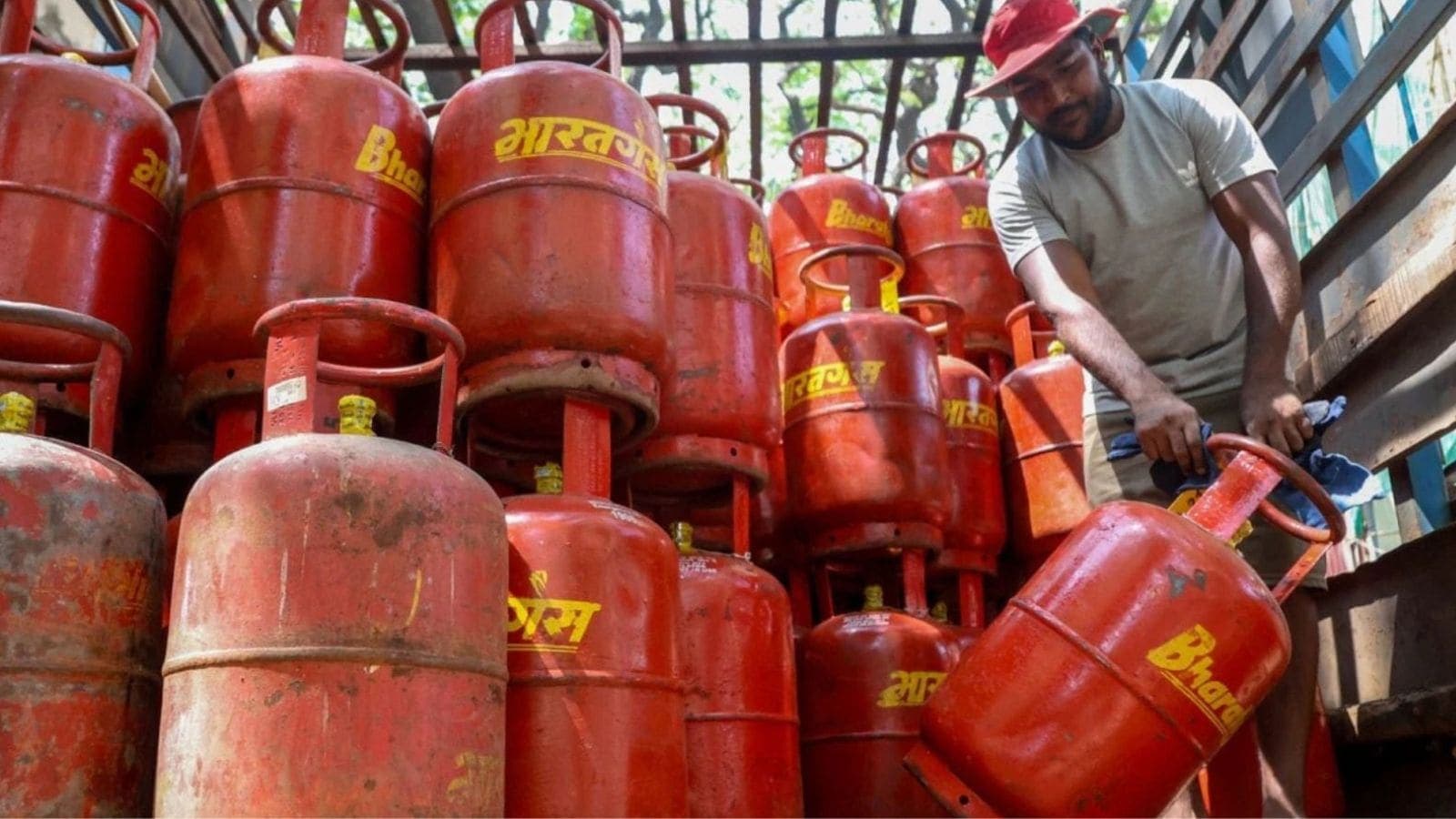
Commercial LPG prices have risen again, with increases of ₹42 in Delhi and ₹53.50 in Kolkata impacting businesses and consumers alike. Find out more.
Indian Express
Discover how a tragic coal mine explosion in Shanxi, China, reveals ongoing safety concerns in the industry amidst a push for green energy.
BBC Business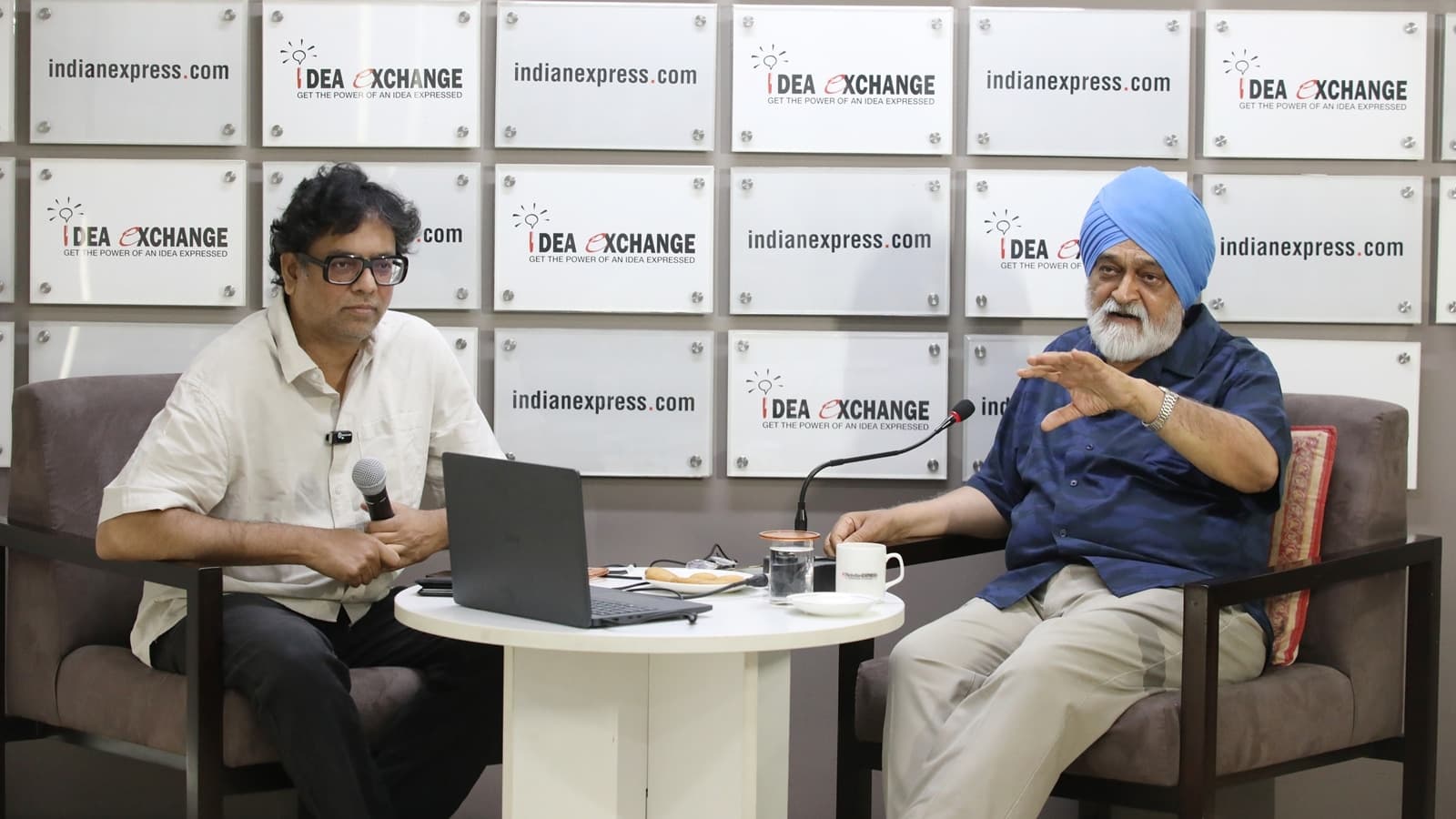
Montek Singh Ahluwalia highlights key economic challenges for India, emphasizing the need for a strategic approach to balance payments and investment.
Indian Express