
Glipzo
WorldTechnologyBusinessSportsEntertainmentScienceHealthPolitics
Glipzo
WorldTechnologyBusinessSportsEntertainmentScienceHealthPolitics
  1. Home
  2. /
  3. Politics
  4. /
  5. U.S. Approach to Kurdish Struggles Echoes Colonial Attitudes
U.S. Approach to Kurdish Struggles Echoes Colonial Attitudes

Image: The Hindu

Politics
Sunday, March 15, 20264 min read

U.S. Approach to Kurdish Struggles Echoes Colonial Attitudes

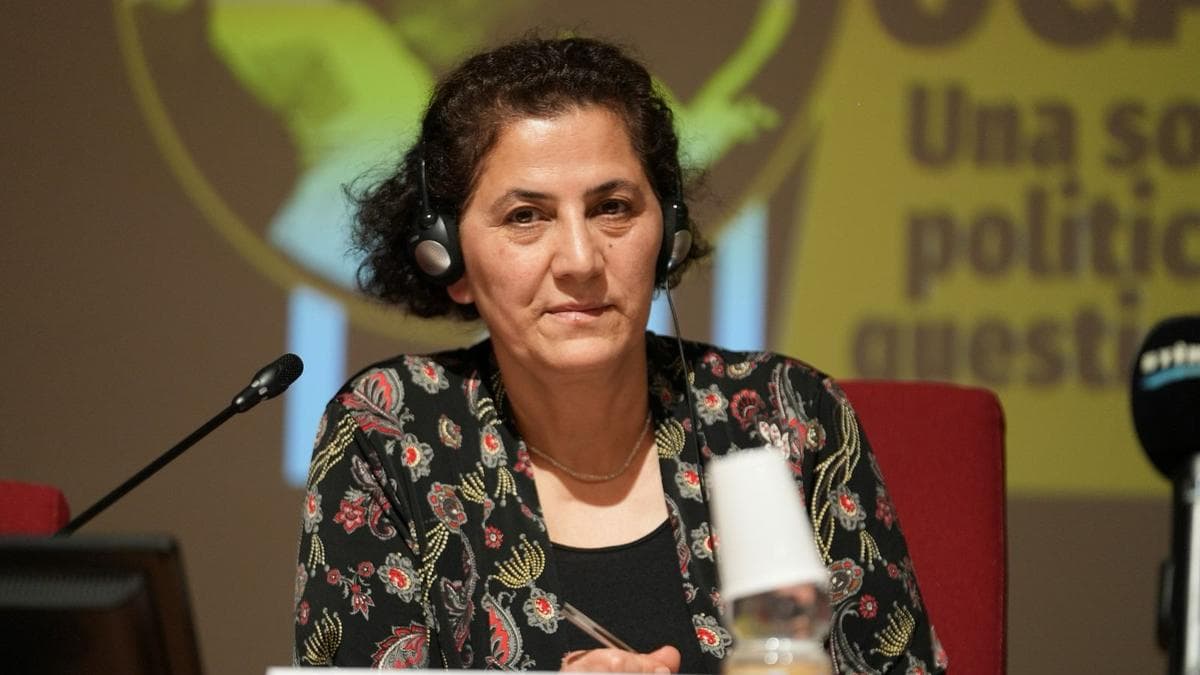
Kurdish spokesperson Nilufer Koc critiques U.S. proposals for Kurdish fighters in Iran, calling for rights recognition amid colonial attitudes.

Glipzo News Desk|Source: The Hindu
Share
Glipzo

Key Highlights

  • Kurdish groups demand U.S. assurances before military collaboration.
  • Concerns rise over colonial attitudes in U.S. Kurdish proposals.
  • Kurdish rights remain unrecognized in Iran and neighboring states.
  • Dialogue between Turkey and Kurdish groups faces new challenges.
  • Future political changes in Iran crucial for Kurdish recognition.

In this article

  • U.S. Proposal Raises Concerns Among Kurdish Leaders On **March 16, 2026**, Nilufer Koc, the spokesperson for the **Kurdistan National Congress (KNC)**, expressed deep reservations regarding the United States' recent proposals concerning Kurdish fighters in the ongoing conflict against Iran. Speaking from **Brussels**, Koc emphasized that the Kurdish community, which has been engaged in a persistent struggle for political and cultural rights across **Iran** and **Turkey**, requires explicit assurances from the U.S. before considering any collaboration against Iran.
  • Historical Context of the Kurdish Struggle The Kurdish question is not new; it has been a long-standing issue in **West Asia**, particularly in regions historically inhabited by Kurds—**Syria**, **Iraq**, **Iran**, and **Turkey**. Koc noted that these countries have systematically denied the Kurds their political and cultural rights, which has led to a cycle of conflict and resistance. “Fighting is nothing new for us,” she remarked, stressing that the core issue lies in whether future political systems in Iran will allow for education in the Kurdish language and recognize cultural identities, rather than imposing **Persian** as the sole medium.
  • Risks of U.S. Military Involvement Koc raised alarms about the potential ramifications of U.S. involvement in Kurdish operations against Iran, particularly regarding the ongoing dialogue between Turkey and Kurdish groups like the **PKK**. She emphasized that the U.S. must be cautious, as escalating military engagement could jeopardize the fragile peace process that began in early **2025**. “Starting a Kurdish front in the U.S.-Israel versus Iran conflict could complicate our interests,” she warned, expressing a desire for the U.S. to prioritize dialogue with Kurdish leaders rather than unilateral military strategies.
  • The Need for Democratic Reforms Koc’s perspective reflects a broader demand for democratization across the regions where Kurds reside. She indicated that while Iran officially recognizes the Kurdish language in its **Kurdistan province**, there remains a significant gap between recognition and practical application. “Tehran needs to allow greater use of the Kurdish language and avoid the ‘Persianization’ of the Kurdish people,” she argued, emphasizing that the Kurds have their own unique history and heritage that deserves acknowledgment and respect.
  • Conclusion: What Lies Ahead for the Kurdish Cause? As the geopolitical landscape continues to evolve, the Kurdish community remains watchful of the U.S.'s next steps in relation to Iran. The pressing question remains whether the U.S. can move beyond a colonial mindset and engage in meaningful dialogue with Kurdish representatives.

U.S. Proposal Raises Concerns Among Kurdish Leaders On **March 16, 2026**, Nilufer Koc, the spokesperson for the **Kurdistan National Congress (KNC)**, expressed deep reservations regarding the United States' recent proposals concerning Kurdish fighters in the ongoing conflict against Iran. Speaking from **Brussels**, Koc emphasized that the Kurdish community, which has been engaged in a persistent struggle for political and cultural rights across **Iran** and **Turkey**, requires explicit assurances from the U.S. before considering any collaboration against Iran.

Koc articulated that the U.S. government’s discussions about destabilizing the Islamic Republic of Iran raise critical questions regarding the future governance of Iran. She stated, “What will replace the current state of Iran? Will the next regime recognize the rights of the Kurdish people?” This sentiment underscores a broader concern among Kurdish communities about the implications of U.S. military strategies and alliances.

Historical Context of the Kurdish Struggle The Kurdish question is not new; it has been a long-standing issue in **West Asia**, particularly in regions historically inhabited by Kurds—**Syria**, **Iraq**, **Iran**, and **Turkey**. Koc noted that these countries have systematically denied the Kurds their political and cultural rights, which has led to a cycle of conflict and resistance. “Fighting is nothing new for us,” she remarked, stressing that the core issue lies in whether future political systems in Iran will allow for education in the Kurdish language and recognize cultural identities, rather than imposing **Persian** as the sole medium.

The Kurdistan Free Life Party is one of the prominent factions advocating for Kurdish rights within Iran. Koc’s remarks highlight the need for a more inclusive approach that respects the diverse identities within Iranian society. The Kurds, she argues, have a rich historical heritage that should not be overshadowed by a singular national narrative.

Risks of U.S. Military Involvement Koc raised alarms about the potential ramifications of U.S. involvement in Kurdish operations against Iran, particularly regarding the ongoing dialogue between Turkey and Kurdish groups like the **PKK**. She emphasized that the U.S. must be cautious, as escalating military engagement could jeopardize the fragile peace process that began in early **2025**. “Starting a Kurdish front in the U.S.-Israel versus Iran conflict could complicate our interests,” she warned, expressing a desire for the U.S. to prioritize dialogue with Kurdish leaders rather than unilateral military strategies.

The Kurdish issue has historically been manipulated by external powers, as Koc pointed out, referencing the U.S. involvement in Iraq in 2003. “The U.S. needs to deepen dialogue with us,” she stated, indicating that Kurdish groups should have a seat at the table in discussions that impact their future.

The Need for Democratic Reforms Koc’s perspective reflects a broader demand for democratization across the regions where Kurds reside. She indicated that while Iran officially recognizes the Kurdish language in its **Kurdistan province**, there remains a significant gap between recognition and practical application. “Tehran needs to allow greater use of the Kurdish language and avoid the ‘Persianization’ of the Kurdish people,” she argued, emphasizing that the Kurds have their own unique history and heritage that deserves acknowledgment and respect.

In recent years, there has been a slight shift towards addressing Kurdish rights within the geopolitical landscape of West Asia. The dialogue initiated between Turkey and the PKK has brought some hope, particularly concerning the release of Kurdish leader Abdullah Ocalan, who has been incarcerated since February 16, 1999. However, Koc's frustration with the slow pace of constitutional changes in Turkey reflects a pervasive sentiment among the Kurdish community that progress is necessary.

Conclusion: What Lies Ahead for the Kurdish Cause? As the geopolitical landscape continues to evolve, the Kurdish community remains watchful of the U.S.'s next steps in relation to Iran. The pressing question remains whether the U.S. can move beyond a colonial mindset and engage in meaningful dialogue with Kurdish representatives.

Moving forward, it will be crucial to observe how the Kurdish issue is addressed in both regional and international forums. The Kurds are not merely pawns in a larger game; their rights and aspirations must be recognized as integral to any future political arrangements in West Asia. The potential for collaboration between Kurdish groups and the U.S. hinges on genuine commitments to democratic reforms and the acknowledgment of Kurdish identities and rights.

As developments unfold, the Kurdish community will be looking for signs of change, particularly in terms of political representation, cultural rights, and the broader implications of any U.S. military strategy that may impact their future.

Did you find this article useful? Share it!

Share

Related Articles

Shocking Health Crisis: Mojtaba Khamenei's Surgeries and Future
Politics
Apr 24, 2026

Shocking Health Crisis: Mojtaba Khamenei's Surgeries and Future

Mojtaba Khamenei faces major health challenges after surgeries, shifting power dynamics in Iran as military leaders rise. What’s next for Iran?

Indian Express
Shocking U-Turn: HP Government Withdraws Room Tariff Hike
Politics
Apr 24, 2026

Shocking U-Turn: HP Government Withdraws Room Tariff Hike

Discover why the Himachal Pradesh government reversed a room tariff hike just one day after its announcement, following public backlash. Click to learn more.

Indian Express
Iran's Cultural Retort to Trump's 'Hellhole' Remarks
Politics
Apr 24, 2026

Iran's Cultural Retort to Trump's 'Hellhole' Remarks

Iran takes a jab at Trump after he endorses Savage's 'hellhole' comments on India and China, highlighting the importance of cultural understanding in diplomacy.

Indian Express

Categories

  • World
  • Technology
  • Business
  • Sports

More

  • Entertainment
  • Science
  • Health
  • Politics

Explore

  • Web Stories
  • About Us
  • Contact

Legal

  • Privacy Policy
  • Terms of Service

© 2026 Glipzo. All rights reserved.

