
Image: Indian Express
Iran takes a jab at Trump after he endorses Savage's 'hellhole' comments on India and China, highlighting the importance of cultural understanding in diplomacy.
GlipzoIn a striking display of cultural criticism, Iran has taken aim at U.S. President Donald Trump after he endorsed comments made by conservative commentator Michael Savage, who disparaged India and China as "hellholes." This incident unfolded on April 23, 2026, and has sparked a lively debate about immigration and cultural perceptions on social media platforms.
The catalyst for this controversy was a video shared by Trump on Truth Social, featuring Savage, who criticized birthright citizenship in the United States. During the discussion, Savage argued that babies born in the U.S. automatically receiving citizenship, especially those born to immigrant parents from countries he described disparagingly, poses a threat to American cultural identity.
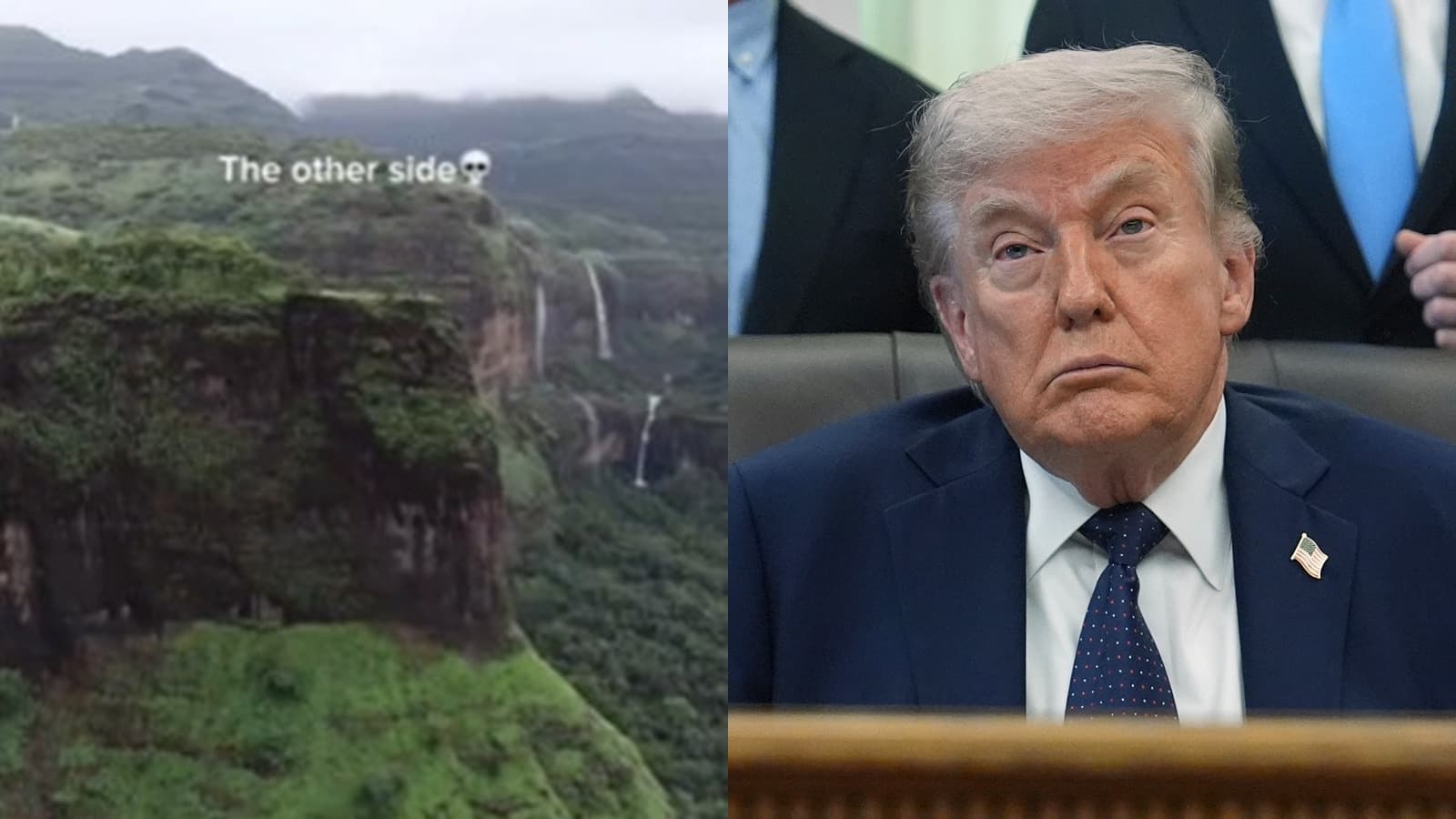
In a response that blended wit with cultural critique, the Iran in Mumbai account on X (formerly Twitter) suggested that Trump might benefit from a "cultural detox." They humorously proposed, "Maybe someone should book a one-way cultural detox for Mr. Trump; it might just reduce the random bakwaas. Kabhi India aa ke dekho, phir bolna," which translates to, "Come see India sometime, then speak."
Savage’s remarks ignited controversy as he characterized India and China in a negative light while discussing immigration policies. He contended that the growing immigrant population was changing America's cultural landscape, asserting that English language usage was declining and accusing recent immigrants of lacking the loyalty that previous generations exhibited.
This commentary arrives at a significant moment, as the U.S. Supreme Court is poised to make decisions regarding Trump's executive order aimed at abolishing birthright citizenship. The court's arguments began on April 1, 2026, over a year after Trump initially signed the order. Legal experts suggest the court may favor maintaining the existing citizenship laws, thus impacting the future of immigration policy.
Iran's criticism not only underscores the global response to U.S. political rhetoric but also highlights broader issues regarding the treatment of immigrants and the perception of different cultures. The timing of these remarks is particularly poignant with U.S. Secretary of State Marco Rubio scheduled to visit India soon, where he will aim to strengthen bilateral ties amidst recent tensions.
In light of the remarks, India's Ministry of External Affairs swiftly condemned Trump and Savage's comments. Spokesperson Randhir Jaiswal articulated that such statements were "uninformed, inappropriate, and in poor taste." Jaiswal emphasized that these comments do not reflect the true nature of the India-U.S. relationship, which is built on mutual respect and shared interests.
This diplomatic rebuke serves as a reminder of the sensitive nature of international relations, especially amid rising nationalism and anti-immigration sentiments in various countries. India's position as a vital partner to the U.S. in both economic and strategic contexts makes such comments particularly concerning.
The exchange between Trump and Iran is more than just a spat; it reflects a deeper narrative about how cultures are perceived globally and the implications of those perceptions on diplomatic relations. As countries grapple with immigration issues, the way leaders discuss those topics can have lasting repercussions.
The controversy also underscores the importance of cultural understanding in an increasingly interconnected world. With leaders like Trump using derogatory terms to describe other nations, it risks fostering a climate of hostility and misunderstanding among nations. Iran's response serves as a reminder of the value of cultural exchange and the need for leaders to engage with different societies positively.
As we look forward, the outcome of the U.S. Supreme Court's decision on birthright citizenship will likely shape immigration policy for years to come. Moreover, the upcoming visit from Secretary Rubio to India will be crucial in determining whether diplomatic relations can withstand such controversial rhetoric.
Political analysts will be watching closely to see if this incident will have any lasting effects on U.S.-India relations and if it will influence how immigration discussions unfold in the future. The call for cultural understanding, as highlighted by Iran, may resonate more strongly in international dialogues as countries navigate their identities in a globalized context.
In conclusion, the fallout from Trump's endorsement of Savage's comments emphasizes the need for leaders to approach discussions about culture and immigration with sensitivity and awareness. As diplomatic ties are tested, the emphasis on mutual respect and understanding will be essential for fostering a collaborative international community.

Tensions soar as the US and Iran engage in air strikes near the Strait of Hormuz, raising concerns over global oil supply and regional stability.
BBC World
Trump's international interventions face serious stalemates. What will this mean for U.S. foreign policy? Explore the critical challenges ahead.
Indian Express
Tehran denies resignation of President Masoud Pezeshkian amid claims of IRGC influence. What does this mean for Iran's political stability? Click to learn more!
Indian Express