
Image: The Hindu
NC legislators urge the release of Kashmiris arrested for mourning Khamenei, calling for action ahead of Id. Will the government respond compassionately?
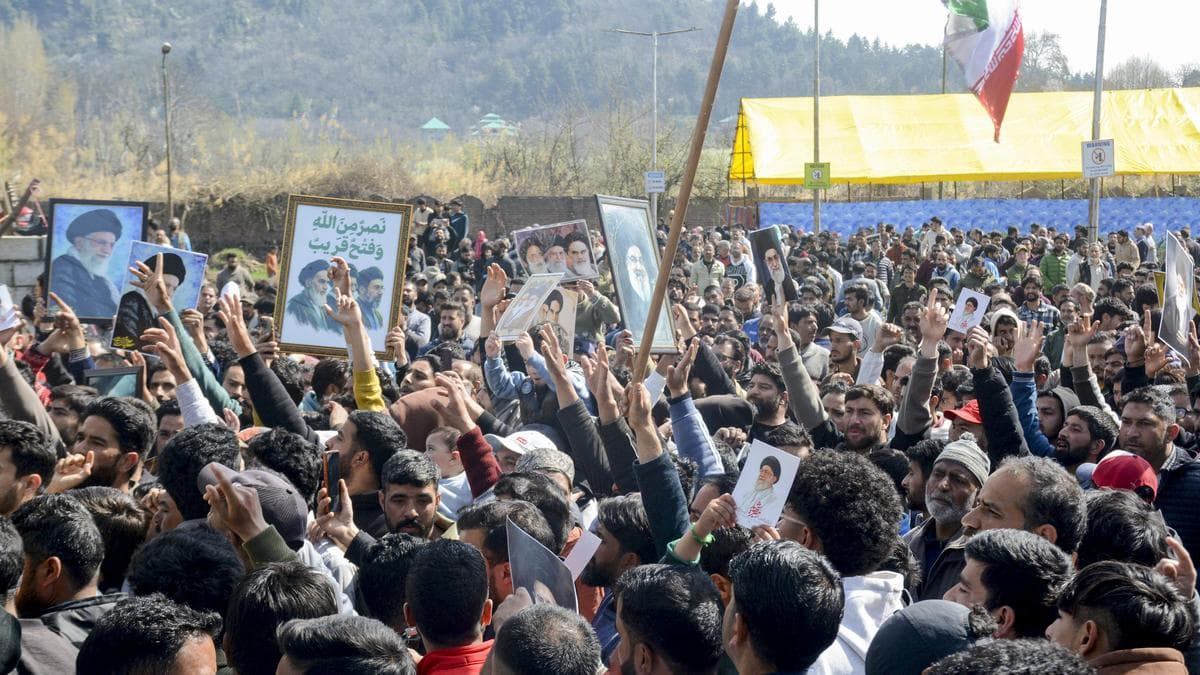
GlipzoIn a significant development, members of the National Conference (NC) in Jammu and Kashmir are urging the release of numerous young individuals detained under the Unlawful Activities Prevention Act (UAPA) for protesting against the assassination of Iran's Supreme Leader, Ayatollah Ali Khamenei. The protests erupted across Kashmir following Khamenei's death on February 28, 2026, as local residents expressed their outrage against the U.S. and Israeli military actions in Iran.
The NC delegation met with Lieutenant Governor Manoj Sinha on March 15, 2026, to voice their concerns. They specifically requested that the government withdraw all cases against protesters before the upcoming festival of Id, emphasizing the need for compassion and understanding during a time of mourning.
According to the NC, multiple police stations across the region have registered cases under the UAPA and the Bharatiya Nyaya Sanhita (BNS). Key locations affected include: - Srinagar: Zadibal, Rainawari, Shalteng, Habba Kadal, and Lalbazar - Budgam: Chattargam - Baramulla: Pattan - Bandipora: Sumbal
In the Nowgam police station alone, 21 youths from Khanda, Sathoo Klan, and Chattergam were charged under Section 13 of the UAPA along with various sections of the BNS. The NC has raised alarms about the implications of using such stringent laws against individuals merely participating in peaceful mourning gatherings.
“There are many who are students. The L-G has assured to review the cases ahead of Id and ensure their release. We are hopeful these cases will be withdrawn,” stated Tanvir Sadiq, a prominent NC leader, following the meeting with the Lieutenant Governor.
The protests that followed Khamenei's assassination were not just political in nature; they resonated deeply with a significant segment of the Kashmiri Muslim population. Many viewed Khamenei not just as a political figure but as a revered religious leader and a significant source of theological guidance. The NC's memorandum highlighted this sentiment, stating that his death represented a personal loss for many in the community.
The memorandum further articulated that while mourning gatherings took place in various cities across India, including Lucknow, Kargil, New Delhi, and Mumbai, participants in these locations faced no legal repercussions. The NC emphasized the inconsistency and injustice in the treatment of mourning citizens in Jammu and Kashmir, noting that such actions undermine the constitutional promise of equal protection under the law.
The NC's memorandum expressed concerns about the disproportionate response from the administration, suggesting that it could lead to further unrest rather than the desired control. The legislators argued that the nature of these gatherings was peaceful and religious, and the heavy-handed approach could backfire.
As discussions continue between the NC and the government, the focus is now on whether the Lieutenant Governor will act on the legislators' demands to halt further arrests and withdraw existing cases. With Id approaching, the urgency of this matter is heightened, as the community seeks resolution and understanding during a significant time of reflection and celebration.
This situation in Jammu and Kashmir highlights ongoing tensions surrounding freedom of expression and the application of laws like the UAPA. It raises important questions about how governments respond to public sentiment and mourning, particularly in politically sensitive regions. As the NC continues to advocate for the release of those detained, the outcome will likely influence the broader discourse on civil liberties and protest rights in India.
In the coming days, all eyes will be on the Lieutenant Governor’s actions regarding the NC’s requests. Will he choose to uphold the law as it stands, or will he recognize the unique context of this situation? The decisions made now could have lasting effects on the relationship between the Kashmiri populace and the administration, as well as set precedents for how similar cases might be handled in the future.
Meanwhile, the ongoing situation serves as a crucial reminder of the importance of free expression and the need for balanced governance in a diverse society like India.
Key Takeaways: - The National Conference is advocating for the release of youths arrested under the UAPA for mourning Khamenei's death. - Arrests occurred across multiple regions in Kashmir, raising concerns about the application of stringent laws against peaceful protesters. - Khamenei's death had a profound emotional impact on many Kashmiri Muslims, who viewed him as a significant religious figure. - The NC contends that the legal actions taken in Kashmir are inconsistent with responses in other parts of India, highlighting issues of equality before the law. - The outcome of this situation could affect civil liberties and governance in Jammu and Kashmir moving forward.

Tensions soar as the US and Iran engage in air strikes near the Strait of Hormuz, raising concerns over global oil supply and regional stability.
BBC World
Trump's international interventions face serious stalemates. What will this mean for U.S. foreign policy? Explore the critical challenges ahead.
Indian Express
Tehran denies resignation of President Masoud Pezeshkian amid claims of IRGC influence. What does this mean for Iran's political stability? Click to learn more!
Indian Express