
Image: Mint (Business)
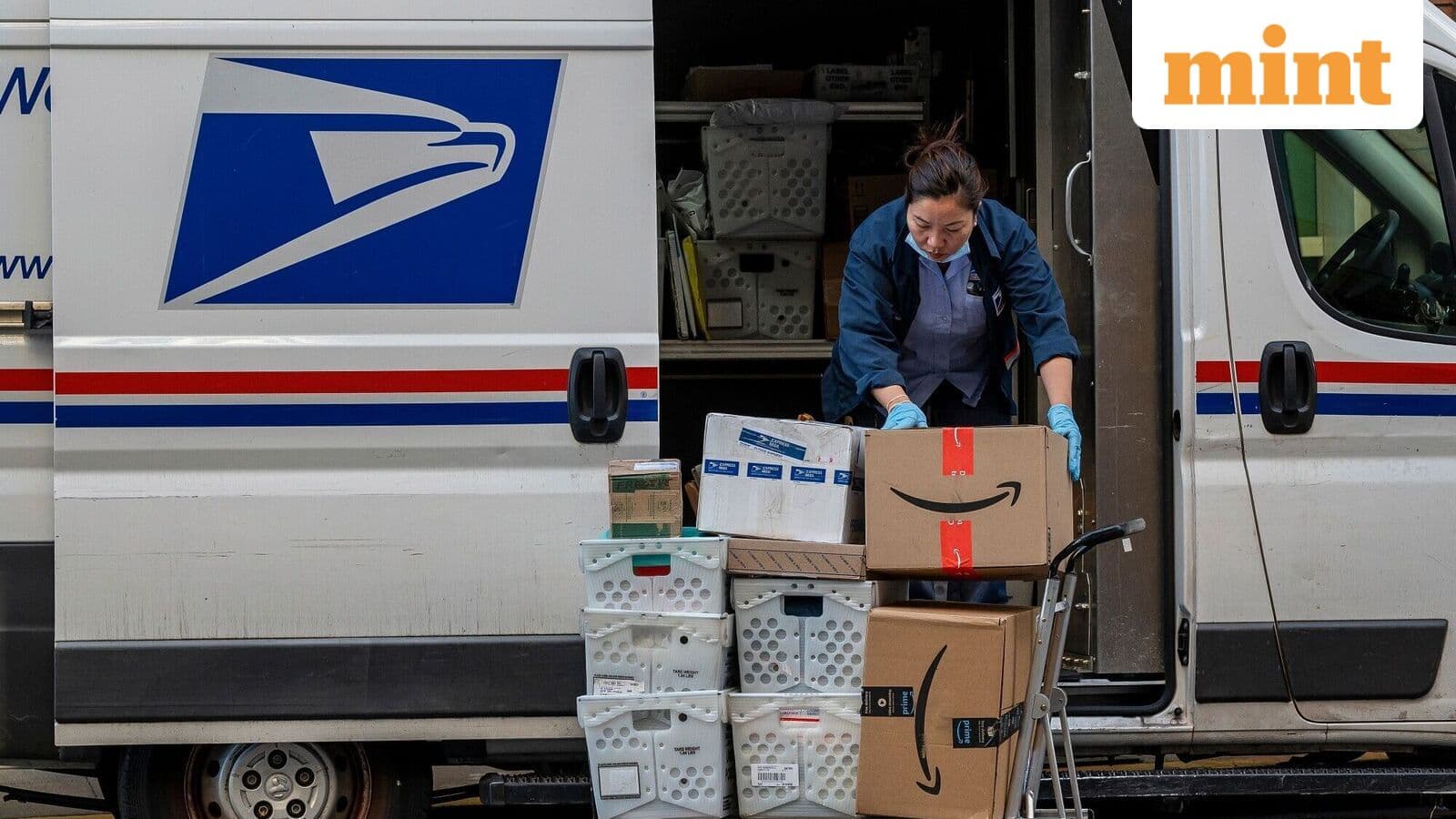
The U.S. Postal Service warns of financial collapse by late 2023, urging Congress for reforms and higher stamp prices to avert crisis. What’s next?
GlipzoIn a stark warning to Congress, Postmaster General David Steiner revealed that the U.S. Postal Service (USPS) could face a dire financial crisis, running out of funds as early as October or November 2023. If the agency continues to meet its mandatory retirement payments and other obligations, it risks defaulting on crucial payments within the next year. Steiner's testimony during a House Oversight subcommittee meeting underlined the urgency of the situation, stating, "We are in a crisis."
The USPS, the backbone of mail and package delivery across the nation, is grappling with severe financial strain. Steiner emphasized the need for significant reforms including higher stamp prices, expanded borrowing capabilities, and legislative support from Congress to avert disaster. He warned that if the agency stretches out its payment obligations, it could stretch its financial resources until February 2024.
To navigate through this financial turbulence, the USPS is considering several cost-cutting measures aimed at stabilizing its operations: - Ending six-day delivery services - Closing small post offices in rural areas - Increasing the price of first-class stamps to $1 or more, a notable increase from the current $0.78.
Steiner shared insights that reducing delivery days to five could save the USPS approximately $3 billion annually, while shuttering small post offices could yield savings of $840 million. However, he acknowledged that such drastic measures might not be well-received by Congress or the general public.
The USPS has been in a precarious financial position for years, accumulating a staggering $118 billion in net losses since 2007. The decline in first-class mail volume, which is traditionally the agency's most profitable service, has plummeted to levels not seen since the late 1960s. This decline has raised alarms about the agency's long-term viability and its ability to serve the American public effectively.
In December, Reuters reported that Steiner anticipated the USPS could run out of cash as soon as early 2027, highlighting the critical need for an immediate intervention. The agency is currently awaiting a comprehensive report from Alvarez & Marsal, a consulting firm brought in to assist with strategic planning and explore all possible options for the struggling service. Steiner noted, "When you have less than 12 months of cash available, you have to look at everything."
During the hearing, Republican Representative Pete Sessions, who chairs the subcommittee, expressed his willingness to collaborate with the USPS to address these financial challenges. However, he firmly stated his opposition to raising stamp prices, highlighting the difficult choices ahead. "We’re going to have to make tough decisions," Sessions remarked, indicating the need for a balanced approach to the agency's fiscal recovery.
On the other side of the aisle, Representative Kweisi Mfume, the leading Democrat on the subcommittee, stressed the importance of reforming the USPS. He passionately declared, "We cannot let the U.S. Postal Service die," emphasizing that Congress must take action rather than allow the agency to deteriorate further. Mfume's statements underscore the urgency with which lawmakers must approach this critical issue.
The potential collapse of the USPS has far-reaching implications for the American public. As one of the most widely utilized services in the country, the USPS plays a crucial role in connecting individuals, businesses, and communities. The loss of this service would not only disrupt mail delivery but could also adversely affect small businesses that rely on the postal system for shipping and communications.
In addition, the USPS employs hundreds of thousands of workers across the nation, making its financial health vital for job security and economic stability in numerous communities. The agency's challenges also prompt discussions about the broader implications for government-funded services and the need for sustainable reforms in public institutions.
As the USPS stands at a crossroads, the next steps will be critical. Stakeholders will be closely monitoring Congress's response to Steiner's requests for reform and financial support. The agency's ability to adapt to changing market dynamics and consumer behavior will also be pivotal in its survival.
Potential developments to watch include: - Congressional hearings and discussions on postal reform - The outcome of the report from Alvarez & Marsal - Public reactions to proposed changes in service delivery and pricing
In summary, the future of the USPS hangs in the balance, and immediate action is essential to ensure that this essential service continues to thrive in the face of unprecedented challenges. The decisions made in the coming months will shape the agency's trajectory and determine its role in American society for years to come.
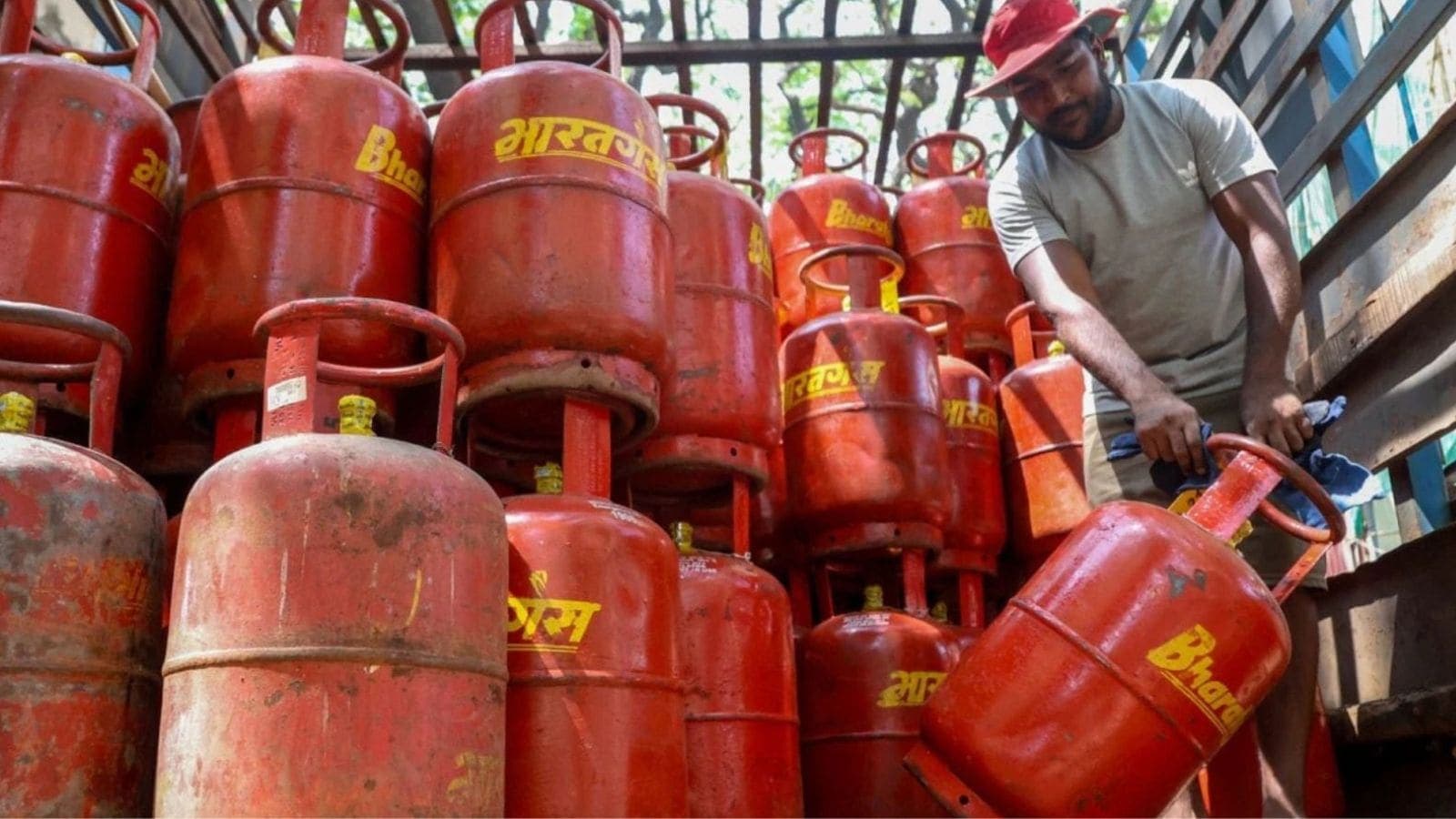
Commercial LPG prices have risen again, with increases of ₹42 in Delhi and ₹53.50 in Kolkata impacting businesses and consumers alike. Find out more.
Indian Express
Discover how a tragic coal mine explosion in Shanxi, China, reveals ongoing safety concerns in the industry amidst a push for green energy.
BBC Business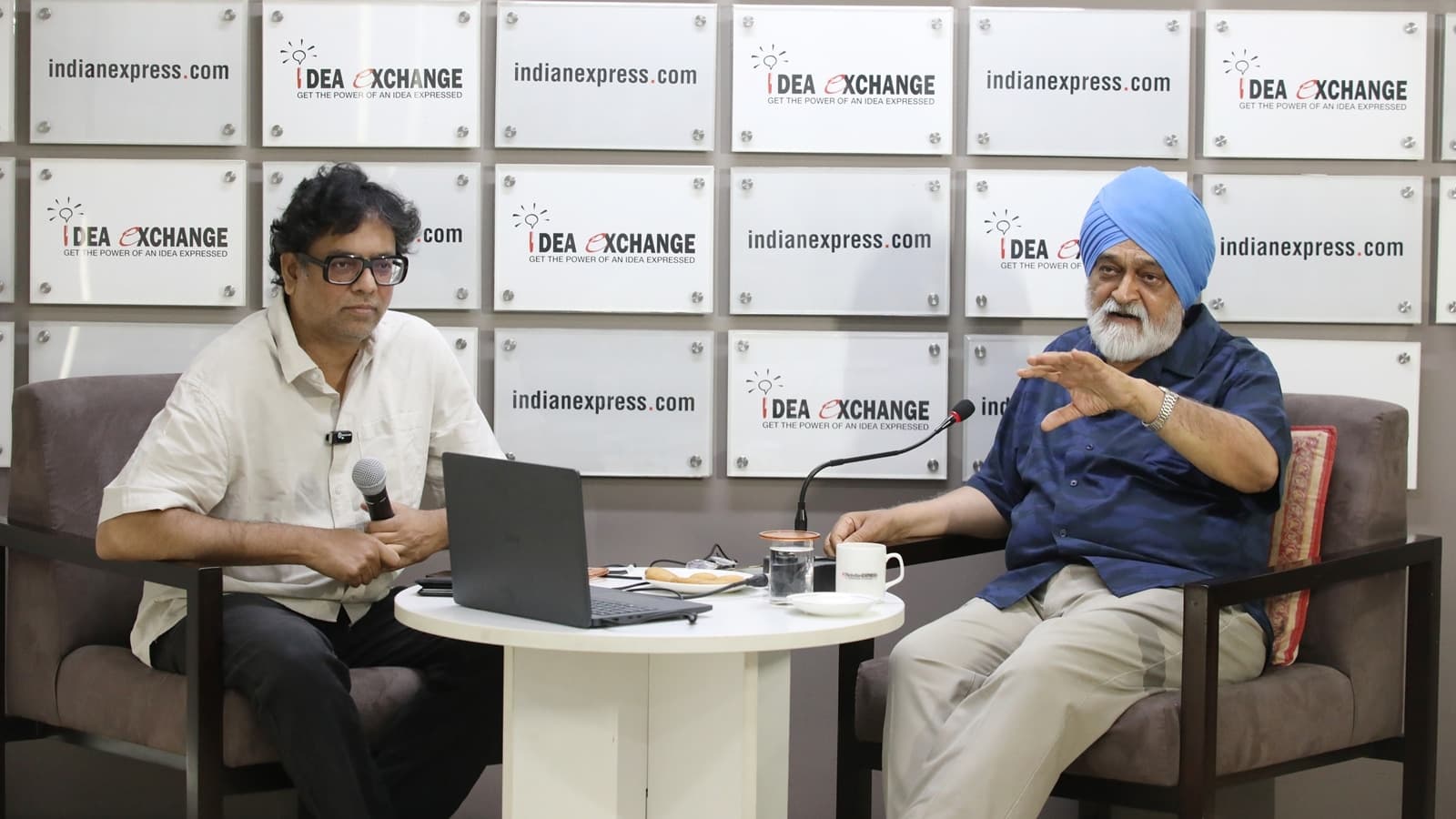
Montek Singh Ahluwalia highlights key economic challenges for India, emphasizing the need for a strategic approach to balance payments and investment.
Indian Express