
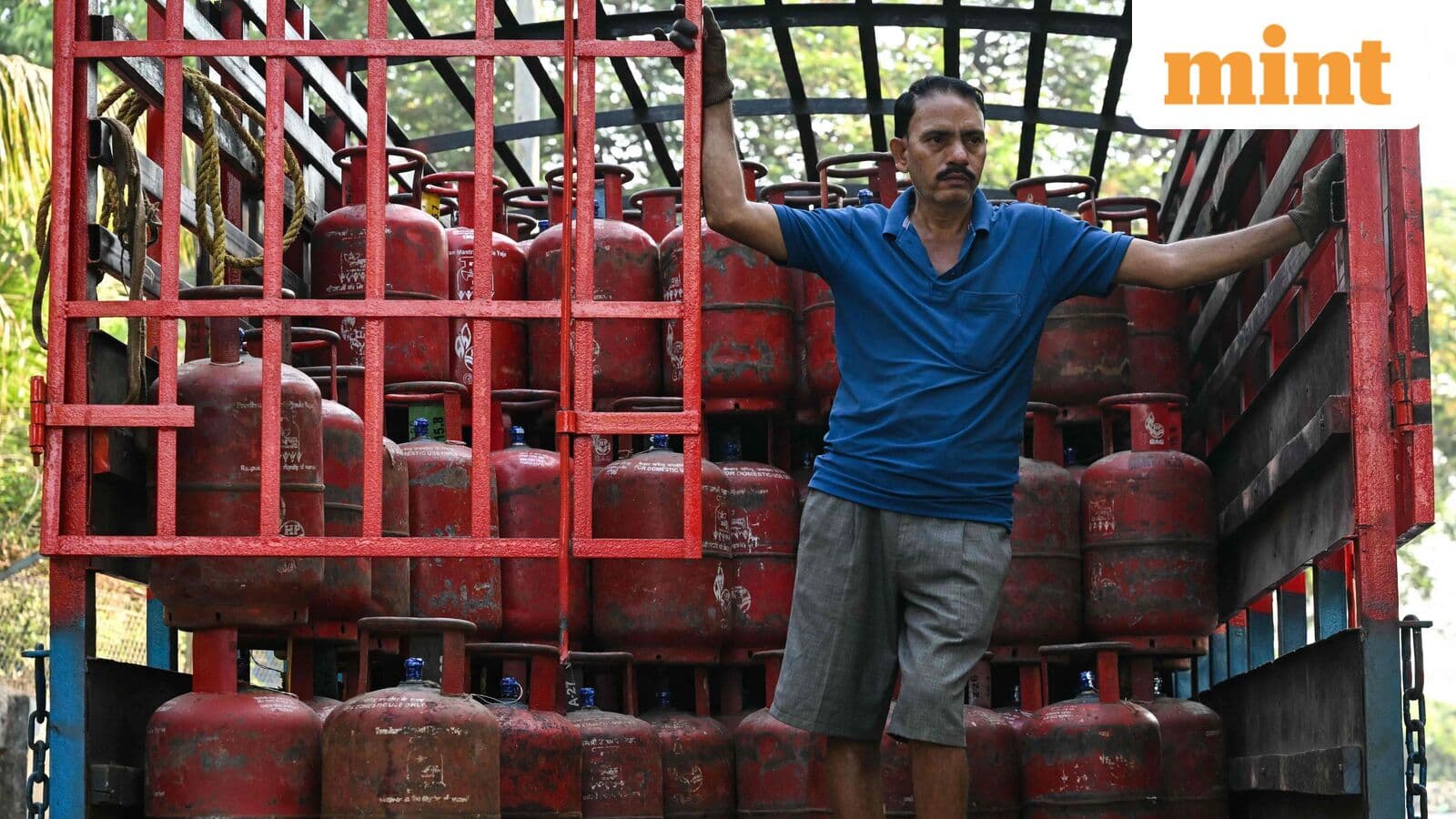
Image: Mint (Business)
Learn about the penalties for hoarding LPG under the Essential Commodities Act, including confiscation and imprisonment measures to prevent supply issues.
GlipzoIn a significant move to manage the ongoing energy crisis, the Indian government invoked the Essential Commodities Act of 1955 on Monday. This decision comes amidst a backdrop of rising tensions in the Strait of Hormuz, which has halted fuel shipments, coupled with dwindling reserves of liquefied natural gas (LNG) within the country. The Ministry of Petroleum and Natural Gas has prioritized natural gas supplies for sectors essential to millions of citizens, including piped natural gas (PNG) for homes and compressed natural gas (CNG) for vehicles.
The directive from the government aims to ensure that essential sectors receive adequate gas supplies. Union Petroleum and Natural Gas Minister Hardeep Singh Puri announced a significant policy change on Thursday, stating that a 20% cap will be placed on the average monthly commercial supply of LPG by oil marketing companies (OMCs). This restriction is intended to prioritize domestic consumption and mitigate issues related to hoarding and black marketing.
The Essential Commodities Act includes provisions that specifically address the hoarding of essential goods like LPG. These measures ensure that necessary commodities remain available to consumers and prevent stockpiling that could lead to shortages.
The Essential Commodities Act empowers the government to regulate production, supply, and distribution of essential commodities. According to Section 3, the government can intervene if it believes that such action is necessary for maintaining adequate supplies and ensuring fair prices. The section states that if the government finds it expedient to maintain or increase the supply of essential commodities, it may issue orders regulating these commodities' production and distribution.
Notably, Section 3(2)(e) explicitly prohibits the withholding of essential commodities from sale. This clause is designed to prevent stockpiling during times of crisis, which could exacerbate shortages and lead to inflated prices for consumers.
When individuals or entities disobey government orders regarding the hoarding of essential commodities, they face serious repercussions under the law. Section 6A of the Act specifies immediate actions that can be taken against hoarders, including the seizure and confiscation of hoarded goods. This aims to quickly return essential commodities to the market to meet public demand.
The District Collector has the authority to confiscate the following if they find any violations: - The essential commodity that has been hoarded - Any packaging or containers associated with the hoarded goods - Any vehicles or conveyances used to transport the hoarded commodities
These measures are designed to deter hoarding and ensure that essential commodities remain available to the public.
In addition to confiscation, individuals found guilty of hoarding essential commodities face criminal penalties as stipulated in Section 7 of the Essential Commodities Act. According to Section 7(1)(a)(ii), those convicted may receive severe punishments, which include: - Imprisonment ranging from a minimum of three months to a maximum of seven years - Fines, the amount of which is determined based on the scale of hoarding and illegal profits - Possible bans on trading the commodity for at least six months for repeat offenders
Importantly, the law does not specify a maximum amount for fines, leaving this decision to the discretion of magistrates and judges who will consider the nature of the offense and the offender's financial situation.
The invocation of the Essential Commodities Act highlights the government's commitment to ensuring that essential resources like LPG are distributed fairly and remain accessible to all citizens during this challenging period. The measures put in place aim not only to prevent hoarding but also to maintain stability in the market, ensuring that households and essential services can rely on the availability of natural gas. As the situation evolves, adherence to these regulations will be critical for both consumers and suppliers alike.

Commercial LPG prices have risen again, with increases of ₹42 in Delhi and ₹53.50 in Kolkata impacting businesses and consumers alike. Find out more.
Indian Express
Discover how a tragic coal mine explosion in Shanxi, China, reveals ongoing safety concerns in the industry amidst a push for green energy.
BBC Business
Montek Singh Ahluwalia highlights key economic challenges for India, emphasizing the need for a strategic approach to balance payments and investment.
Indian Express